Heal Your C-Section Scar

Tips to Heal Your C-Section Scar: A Gentle Guide for New Mothers

Becoming a mother is one of the most life-changing experiences. But for many women who go through a C-section, recovery can feel overwhelming. Beyond caring for a newborn, there’s also the physical healing process to manage. One of the most common concerns mothers share is about their scar, how it looks, how it feels, and how to support its healing. This scar isn’t just a mark on the skin; it’s a reminder of the journey you’ve taken. Still, many women feel uncertain about what to do next and how to encourage proper recovery.

If you’ve ever looked at your scar and felt unsure about whether you’re healing the “right” way, you’re not alone. The good news is there are practical, gentle steps you can take to support your recovery and help your scar heal as smoothly as possible. This blog will walk you through some tips to ease your mind and body during this healing stage while also discussing the importance of C-section scar therapy.

Understanding Your C-Section Scar

A C-section involves a surgical cut made through the lower belly and uterus to deliver your baby. Once the surgery is complete, stitches or staples close the wound, and as it heals, it forms a scar. Most scars fade over time, but every woman’s healing process is unique. Some may find their scar heals quickly with little concern, while others experience discomfort, tightness, or raised skin.

This is where thoughtful care and therapies come in. Paying attention to your scar isn’t only about appearance; it’s also about improving mobility, comfort, and confidence.

Tips to Heal Your C-Section Scar

1. Keep It Clean and Protected

In the early days, the priority is to protect the wound from infection. Gently wash the area with mild soap and water, then pat it dry. Avoid scrubbing or using harsh products. Keeping the area clean prevents irritation and supports the body’s natural healing process.

2. Be Mindful of Movement

It’s natural to want to return to normal activities quickly, but your body needs rest. Avoid lifting heavy objects and bending too often during the first few weeks. Support your abdomen with a pillow when coughing, sneezing, or laughing to reduce pressure on the scar. These little habits help prevent strain and discomfort.

3. Nourish Your Body from the Inside

What you eat plays a huge role in how your body heals. A balanced diet with protein, fruits, vegetables, and whole grains gives your body the building blocks it needs for tissue repair. Staying hydrated is equally important—it keeps your skin supple and supports circulation, which aids healing.

4. Gentle Scar Massage

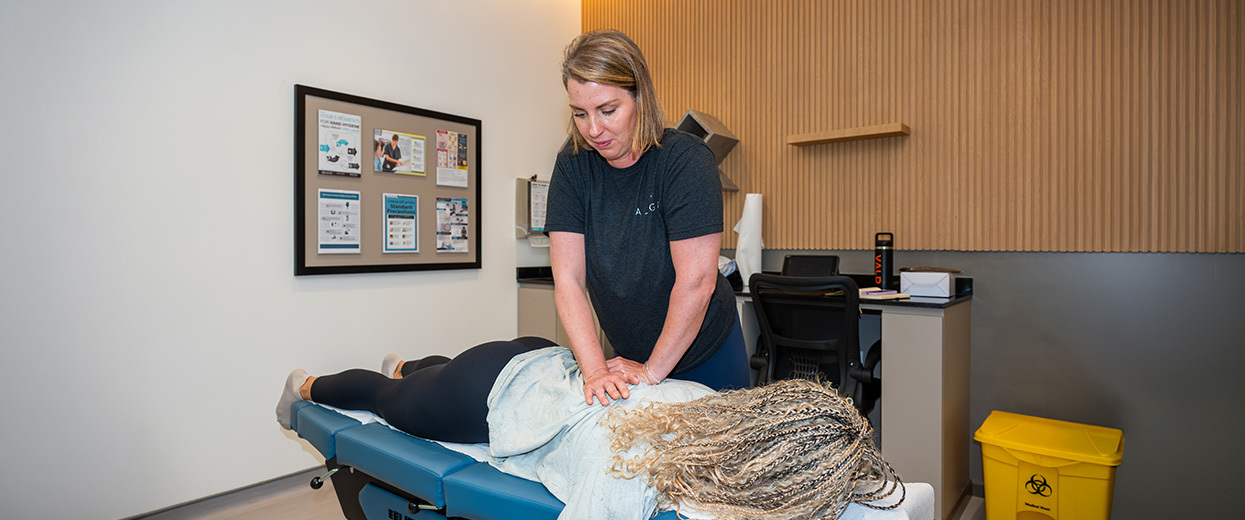
Once your doctor confirms it’s safe, scar massage can be helpful. Using clean hands and light pressure, you can gently massage around the scar. This may help soften the tissue, improve circulation, and reduce tightness. A physiotherapist trained in postnatal recovery can also guide you with safe techniques.

5. Consider C-Section Scar Therapy

Some women benefit from professional therapies designed to improve the feel and appearance of their scar. C-section scar therapy may include guided massage techniques, specific exercises to reduce tension, and supportive treatments that improve circulation and tissue healing. This type of therapy doesn’t just focus on the scar—it can also help with lower back pain, abdominal tightness, and posture changes that often follow a C-section.

6. Explore Non-Invasive Treatments

If you’re worried about the appearance of your scar, know that there are options. From silicone sheets and gels to professional care, many non-invasive treatments can help. Clinics often offer the best treatments for C-section scars, which may include laser therapy, microneedling, or other gentle solutions. These aren’t about perfection but about helping you feel more comfortable in your skin.

7. Focus on Core and Pelvic Floor Recovery

Your scar is just one part of your post-surgery recovery. Engaging in safe exercises that rebuild your core strength and support your pelvic floor can make a big difference. A physiotherapist specializing in women’s health can guide you in exercises that protect your scar while restoring strength.

8. Give Yourself Time

Perhaps the most important tip is patience. Healing isn’t instant, and scars can continue to change for months or even years after surgery. Try to see your scar as part of your journey—a mark of strength and resilience. With consistent care, you’ll likely notice improvement in both comfort and appearance over time.

Emotional Healing Matters Too

Scars aren’t only physical; they carry emotional weight too. Some women feel proud of their C-section scar, while others struggle with how it looks or feels. Both reactions are normal. Talking about your feelings with a partner, a friend, or even a professional can help you process your experience. Remember, it’s not just about how the scar looks—it’s also about how you feel living with it.

Why Professional Support Helps

While many steps can be done at home, professional care is worth considering. At places like ALIGN Health, therapists specialize in postnatal recovery, offering tailored programs that address not just scars but also overall physical well-being. Getting guidance ensures you’re doing what’s best for your body, safely and effectively.

C-section scar therapy offered by professionals can give you both peace of mind and faster results. Think of it as a way to invest in your long-term comfort and confidence.

Final Thoughts

Healing from a C-section is not just about the days after birth—it’s an ongoing process that involves both body and mind. Simple steps like keeping the scar clean, eating well, and practicing gentle massage can make a big difference. Professional therapies such as C-section scar therapy are also available if you feel you need extra support.

Remember, no two scars heal the same way. Give yourself grace, listen to your body, and seek professional guidance when needed. With time and the right care, your scar can become less of a worry and more of a reminder of your incredible journey into motherhood.

At ALIGN Health, mothers are encouraged to view recovery as part of their overall well-being, not just a medical process. With support and the right therapies, you can heal in a way that leaves you feeling stronger, more comfortable, and confident in your body again.

Healing from a C-section can vary from person to person. Always consult your doctor or a qualified healthcare professional before trying new treatments, exercises, or products.

back pain therapy

Relieving Muscle Spasms in the Lower Back with Physiotherapy

If you’ve ever experienced a sudden tightening in your lower back, you know how alarming and uncomfortable it can be. One moment you’re bending to pick something up, and the next you feel your back seize, leaving you frozen in pain. These episodes can last for a few seconds or linger for days, making simple tasks like walking, sitting, or even sleeping difficult. This is a common struggle for many people, and it often points to muscle spasms in the lower back. The good news is that with the right guidance, particularly from a physiotherapist for back pain in Abu Dhabi, relief is possible.

What Is a Muscle Spasm in the Lower Back?

A muscle spasm in the lower back is essentially your body’s way of protecting itself. When your back muscles sense stress, strain, or even an injury, they can tighten involuntarily. This tightening feels like a sudden knot or cramp that you cannot control. While it’s a natural defense mechanism, it also causes discomfort that can limit movement and affect your daily routine.

These spasms vary in intensity. Some might feel like a dull ache that slowly builds, while others come as sharp, sudden jolts. They can be triggered by something as simple as poor posture, sitting for long hours, or lifting heavy objects incorrectly.

Why Do Lower Back Spasms Happen?

There isn’t one single cause for lower back spasms. Instead, they often arise from a combination of factors. Some of the most common reasons include:

  • Overuse of muscles: Activities like heavy lifting, intense workouts, or even repetitive motions can strain the muscles in your back.

  • Weak core support: When your abdominal and back muscles are weak, your lower back works harder to support your body, leading to tightness and spasms.

  • Poor posture: Slouching at your desk or standing unevenly puts added pressure on your lower back muscles.

  • Sudden movements: Quick twists, bends, or turns can overstretch the muscles, causing them to react with spasms.

  • Underlying issues: Conditions like slipped discs or arthritis can irritate the surrounding muscles, prompting them to contract defensively.

Understanding why spasms occur is the first step to managing them. The next step is knowing how to address them in a safe and effective way.

How Physiotherapy Can Help

Physiotherapy is one of the most trusted ways to manage and reduce lower back spasms. It goes beyond providing short-term relief; it focuses on long-term improvement and prevention. By working with a qualified back pain physiotherapist, you gain strategies that are personalized to your body and lifestyle.

Here’s how physiotherapy plays a role:

1. Identifying the Root Cause

A physiotherapist doesn’t just treat the symptom. They look at what caused the spasm in the first place. Was it poor posture? Muscle weakness? A sudden strain? By identifying the root cause, they can create a plan tailored specifically to your needs.

2. Gentle Stretching and Mobility Exercises

Stretching is often one of the first steps. Simple, guided movements can help release tight muscles and improve flexibility. These are not random stretches but carefully chosen ones that avoid worsening the pain while promoting healing.

3. Strengthening Exercises

Once the immediate pain eases, physiotherapy focuses on strengthening the muscles that support your spine. Stronger core and back muscles mean less strain on your lower back, reducing the likelihood of future spasms.

4. Posture Training

Many people don’t realize how much their posture affects their lower back health. Physiotherapists often teach you how to sit, stand, and move in ways that protect your spine. Small adjustments in daily habits can make a big difference over time.

5. Safe Manual Techniques

Depending on your condition, some physiotherapists may use hands-on methods such as gentle massage, mobilization, or pressure techniques to ease tight muscles and improve blood flow.

6. Lifestyle Guidance

In addition to in-clinic sessions, physiotherapists often share tips on how to move during daily life—how to lift, bend, or sit for long hours without straining your back.

Simple Ways to Support Recovery at Home

While physiotherapy should guide your recovery, there are small steps you can take at home to support the process:

  • Rest, but not too much: Give your muscles a break, but avoid lying down for long stretches. Gentle movement helps prevent stiffness.

  • Stay warm: Heat packs can sometimes soothe tight muscles.

  • Mind your posture: Sit up straight, keep your feet flat, and avoid slouching.

  • Move wisely: Avoid lifting heavy objects or twisting suddenly until your back feels stronger.

These steps are general suggestions, but always check with a professional before trying new routines.

When to Seek Help

If lower back spasms keep happening, are extremely painful, or interfere with daily life, it’s a sign to see a physiotherapist. Persistent spasms may point to underlying issues that need more focused attention. Working with experts like ALIGN Health ensures you’re addressing not just the symptoms but also the underlying causes in a safe, structured way.

The Bigger Picture

Muscle spasms in the lower back can feel overwhelming, but they don’t have to control your life. Physiotherapy offers a practical, personalized, and long-term path to recovery. With the right guidance, you can regain comfort, move more freely, and reduce the risk of spasms returning.

If you’re struggling with frequent lower back spasms, consider consulting a back pain physiotherapist. Taking that step not only helps you recover faster but also teaches you how to protect your back in the future.

This blog is only for educational purposes. If you face any symptoms mentioned in the content, you can visit ALIGN Health to benefit from expert guidance, hands-on care, and a focus on overall wellness, making physiotherapy a reliable option for those seeking real relief.

Dry Needling for Tight Muscles

Dry Needling for Tight Muscles: Easing Pain and Improving Movement

If you’ve ever experienced that stubborn tightness in your shoulders after long hours at a desk or the aching knots in your calves after an intense workout, you know how frustrating muscle tension can be. For many, the feeling is not just discomfort but also a barrier—it stops you from moving freely, exercising comfortably, or even getting a good night’s sleep. Simple daily activities, like bending to tie your shoes or lifting your child, can suddenly feel harder than they should. That’s when exploring new ways to release muscle tightness becomes essential, and one effective solution gaining attention is dry needling for muscle relief in Abu Dhabi.

What is Dry Needling?

Dry needling is a technique where a trained therapist uses fine needles to target tight spots in the muscles, often called “trigger points.” These are the knots you might feel when pressing into tense areas of your body. By stimulating these points, dry needling helps reset the muscle, improving blood flow and easing the tension that has built up over time. Unlike other methods that only provide surface-level relief, dry needling works deep within the muscle, addressing the root cause of stiffness.

Why Muscles Become Tight?

Muscles can tighten for many reasons. Poor posture, stress, overuse during workouts, or even a lack of movement can all contribute. When muscles are constantly tense, they not only hurt but also limit your range of motion. Over time, this creates a cycle—pain leads to restricted movement, and restricted movement leads to more pain. Breaking this cycle requires a method that not only soothes the pain but also restores proper muscle function. This is where dry needling comes in.

The Benefits of Dry Needling

1. Relieves Muscle Pain and Discomfort

The most immediate benefit of dry needling is pain relief. By releasing those tight trigger points, the muscle can finally relax, reducing soreness. People often describe the sensation afterward as if their muscles feel lighter and more flexible.

2. Improves Movement and Flexibility

Tight muscles restrict how far you can stretch or move. Once those knots are released, movement becomes easier. Whether you’re an athlete trying to reach peak performance or someone who simply wants to bend and lift without pain, dry needling supports smoother, more natural motion.

3. Helps Recovery from Injuries

Muscle tightness often develops around injured areas, acting like a protective shield. While this is the body’s natural response, it can slow down recovery and cause long-term stiffness. Incorporating dry needling into a rehabilitation program can speed up the healing process by keeping surrounding muscles relaxed and functional. Many people exploring Dry Needling for Injuries find that it supports their overall recovery journey.

4. Reduces Stress in the Body

Stress doesn’t just affect the mind; it often shows up as tension in the neck, shoulders, and back. Dry needling helps release this built-up tension, leaving you not only physically relaxed but mentally at ease too.

5. Complements Other Therapies

Dry needling is often used alongside physiotherapy, massage, or exercise programs. When combined, these approaches create a more complete treatment, addressing both the pain and the reasons behind it.

How Dry Needling Feels?

Many people wonder if dry needling hurts. The needles used are very fine, and while you may feel a quick prick when they go in, the sensation is usually minimal. Once the needle hits the tight muscle, you might feel a twitch or slight cramp, which is actually a good sign—it means the muscle is responding. Afterward, the area often feels more relaxed, though mild soreness can occur for a day or two, much like the feeling after a workout.

Who Can Benefit from Dry Needling?

Dry needling is helpful for a wide range of people. Athletes use it to stay flexible and prevent injuries. Office workers turn to it to ease shoulder and neck tightness from sitting too long. Even those with chronic conditions, like recurring back pain, can find relief through regular sessions. Essentially, if muscle tightness is limiting your comfort or movement, dry needling can be worth exploring.

Dry Needling in Abu Dhabi

With more people focusing on their health and active lifestyles, demand for safe and effective therapies has grown in the UAE. Clinics such as ALIGN Health provide dry needling for muscle relief in Abu Dhabi, where trained professionals ensure the procedure is both safe and effective. The aim is not just short-term relief but also long-term improvement in how your body moves and feels.

Why It’s More Than Just Pain Relief?

While easing pain is often the first reason people try dry needling, its true benefit lies in how it improves overall movement. When your muscles are not constantly fighting against tightness, your body performs better. Walking, running, stretching, and even sleeping all become easier. In this way, dry needling is not just about treating pain—it’s about restoring freedom of movement and helping you enjoy daily life without constant discomfort.

Taking the Next Step

If you’re struggling with muscle tightness, dry needling can be a game-changer. Instead of only relying on temporary fixes like heat packs or painkillers, this method targets the root of the problem. Of course, it should always be performed by qualified professionals who understand how to apply it safely and effectively.

This blog is for informational purposes only and should not replace professional medical advice, diagnosis, or treatment. Always consult with a qualified healthcare provider before starting any new therapy or making decisions about your health.


Postpartum Physiotherapy

Ready to Run? Postpartum Physiotherapy in Abu Dhabi

Becoming a mother is one of the most life-changing experiences a woman can go through. While the joy of holding your baby is unmatched, the physical changes that come after childbirth often leave many women struggling in silence. For some, it’s back pain that lingers, while for others, it may be weakened core muscles, pelvic floor discomfort, or a feeling that their body is just not the same.

 Many new mothers feel eager to get back to exercising, running, or even just enjoying daily activities without pain. But the real challenge lies in knowing when and how to safely return to movement. This is where physiotherapy for mothers in Abu Dhabi becomes essential.

What is Postpartum Physiotherapy?

Postpartum physiotherapy focuses on helping women recover physically after childbirth. It addresses the changes that pregnancy and delivery bring to the body, changes that can impact posture, core strength, and pelvic health. It’s not only about fixing problems but also about supporting mothers in regaining confidence in their bodies.

Physiotherapists trained in women’s health understand that no two recoveries are the same. Some women may have delivered naturally, others through a C-section, and each will face unique challenges. Postpartum physiotherapy in Abu Dhabi takes these differences into account, guiding mothers gently and effectively back to movement that feels safe.

This type of care usually includes exercises designed to rebuild strength, improve balance, and restore function in muscles that were stretched or weakened during pregnancy and birth. It also provides education on how to move in ways that protect the body, especially when lifting or carrying a baby.

Why Do You Need Postpartum Physiotherapy in Abu Dhabi?

Abu Dhabi is a city full of opportunities for mothers who want to live active, healthy lives. Whether it’s jogging along the Corniche, joining a fitness class, or simply keeping up with daily routines, feeling strong again after childbirth matters, but without proper guidance, returning to exercise too soon can lead to setbacks like injury, pain, or long-term health issues.

Here are a few reasons why postpartum physiotherapy is so valuable for mothers in Abu Dhabi:

Support for Pelvic Floor Recovery

Pregnancy places a lot of stress on the pelvic floor. Some women experience leaking when sneezing or running, while others may feel heaviness in the pelvic area. Physiotherapy offers safe and specific strategies to rebuild pelvic floor strength, reducing discomfort and restoring control.

Core Strength and Stability

A common issue after childbirth is weakened abdominal muscles, sometimes accompanied by a condition called diastasis recti (a separation of the abdominal wall). Without proper care, this weakness can affect posture, cause back pain, and make exercise difficult. Postpartum physiotherapy provides step-by-step guidance to restore core stability.

Pain Relief and Better Mobility

Back, hip, and joint pain are common after childbirth. These aches can make simple tasks, such as bending, lifting, or walking, feel harder than they should. Through physiotherapy, women learn techniques to alleviate pain, enhance their posture, and move more comfortably.

Safe Return to Exercise

Many women in Abu Dhabi enjoy an active lifestyle. However, rushing into workouts without preparing the body can do more harm than good. Physiotherapists help mothers assess when they’re ready to start running, attending classes, or lifting weights again, ensuring a safe and gradual return.

Mental and Emotional Well-being

Physical recovery is closely tied to emotional health. Regaining strength and freedom of movement often helps mothers feel more confident, positive, and in control. Postpartum physiotherapy provides reassurance that the body can recover with the right support.

How Postpartum Physiotherapy Works

Every journey begins with an assessment. A physiotherapist looks at your posture, muscle strength, mobility, and areas of discomfort. From there, a tailored plan is created—one that fits your needs and goals.

Sessions may involve gentle strengthening exercises, breathing techniques, and stretches. Over time, the program is adjusted to challenge the body safely and help you regain endurance. Physiotherapists also guide you on everyday habits, such as lifting your baby or standing for long periods, so you can move in ways that protect your body from strain.

This personalized care makes physiotherapy much more effective than following generic workout plans online. It’s built around you, your delivery experience, and your current stage of recovery.

A Gentle Reminder Before You Run

It’s natural to want to get back to your old routine quickly. But the postpartum body needs time, patience, and guided care. Physiotherapy bridges that gap—helping you return not only to running but also to enjoying life fully, without pain or hesitation.

For mothers considering their recovery options, exploring safe physiotherapy is a practical step. It ensures that every movement you take is supported, safe, and aligned with your body’s healing process.

Ready for the Run?

Every mother’s recovery journey is unique, but one thing remains true: the body deserves care and attention after childbirth. Postpartum physiotherapy provides that care, helping women rebuild strength, manage pain, and return to activity with confidence.

Abu Dhabi offers the right environment, professional expertise, and supportive healthcare centers to make this recovery journey possible. By choosing postpartum physiotherapy, mothers can take an empowered step towards healing, ensuring that they’re ready not only to run but to thrive in every part of life.

This article is for informational purposes only and should not be taken as medical advice. Postpartum recovery varies for every woman, and it’s important to consult a qualified healthcare professional or physiotherapist before starting any exercise or treatment program.


chiropractor

10 Reasons to See a Chiropractor Even If You Don’t Have Back Pain

Most people only think about visiting a chiropractor when their back hurts, when they’ve pulled a muscle, or when they’re recovering from an accident. It’s understandable — pain often pushes us to seek help. But waiting until you’re in discomfort means you might be missing out on the many other benefits of chiropractic care that go far beyond easing backaches. With options like safe chiropractic care in Abu Dhabi, you can take a proactive approach to your health instead of a reactive one.

Who Is a Chiropractor?

A chiropractor is a trained healthcare professional who focuses on the body’s alignment, especially the spine, to support overall health and mobility. They use hands-on adjustments and other gentle techniques to keep your joints, muscles, and nerves working well together. The idea isn’t just to fix problems but to keep your body in its best possible condition.

Think of them as mechanics for your body, you don’t wait for your car to break down before you service it, right? The same goes for your spine and joints.

Why See a Chiropractor?

1. Improved Posture

Many of us spend hours at desks, on our phones, or in cars. Over time, these habits can affect our posture without us even noticing. A chiropractor can help realign your spine, release tight muscles, and give you tips to maintain better posture, preventing future strain before it starts.

2. Better Joint Health

Your knees, hips, shoulders, and wrists all rely on proper movement and balance. Chiropractic adjustments aren’t just for the spine; they can also keep other joints moving freely, reducing stiffness and helping you stay active as you age.

3. Boosted Immune Function

While research is ongoing, many people report fewer colds or illnesses after regular chiropractic visits. The theory is that when your nervous system is functioning well, your body can better coordinate its immune responses.

4. Stress Relief

Tension doesn’t just live in your mind; it often shows up in your shoulders, neck, and jaw. Gentle chiropractic adjustments can release this physical stress, helping you feel calmer and more relaxed overall.

5. Fewer Headaches

Not all headaches come from dehydration or eye strain. Many are linked to muscle tension or misalignment in the neck and upper back. Regular chiropractic care can help reduce the frequency and intensity of these headaches.

6. Improved Sleep Quality

When your body is out of balance, it can be hard to get comfortable at night. Chiropractic adjustments can ease tension, promote relaxation, and help you get the restful sleep you need for energy and recovery.

7. Better Sports Performance

Athletes, from weekend runners to professional players, often see chiropractors to keep their bodies performing at their best. Proper alignment can improve range of motion, balance, and coordination while also lowering the risk of sports-related injuries.

8. Enhanced Mobility as You Age

As we get older, our joints can naturally become less flexible. Chiropractic care can help maintain movement and reduce stiffness, making it easier to stay active, independent, and engaged in daily life.

9. Support During Pregnancy

Pregnancy brings incredible changes to a woman’s body, often leading to discomfort in the lower back, hips, and pelvis. Many expectant mothers find that chiropractic adjustments help them move more easily and prepare the body for childbirth.

10. Preventative Health Approach

The biggest reason to see a chiropractor without pain is prevention. Regular visits can catch small issues before they turn into bigger problems, helping you maintain good health and avoid unnecessary downtime.

The Bigger Picture

Chiropractic care is about more than pain relief; it’s about supporting your body so it can function at its best. When your spine and joints are in proper alignment, your nervous system can communicate better with the rest of your body. This connection influences everything from your balance to your digestion.

At ALIGN Health, we believe that caring for your body proactively can help you avoid many common health complaints. You don’t need to wait for pain to strike — you can choose to keep your body in peak condition all year round.

This content is for informational purposes only and should not be taken as medical advice. Chiropractic care should always be provided by a qualified professional. If you have an existing health condition, injury, or are pregnant, consult your healthcare provider before starting any new treatment.


Cupping Therapy

Treating Tennis Elbow and Golfer’s Elbow with Cupping Therapy

If you’ve ever experienced a stubborn ache in your elbow that just won’t go away, you know how frustrating it can be. Simple tasks like pouring a cup of tea, turning a doorknob, or lifting a grocery bag can suddenly feel like a challenge. For athletes, these aches can be even more worrying—affecting training schedules, game performance, and even day-to-day comfort. Two common culprits behind this kind of pain are tennis elbow and golfer’s elbow.

While the names might make it sound like these issues only affect athletes, the truth is that anyone can develop them – office workers, gardeners, DIY enthusiasts, or anyone who uses their forearms repetitively. 

The good news? At ALIGN Health, we follow modern recovery approaches, like sports recovery cupping in Abu Dhabi, which are helping people manage these conditions effectively without relying only on rest or pain medication.

What Is Tennis Elbow?

Tennis elbow, medically called lateral epicondylitis, happens when the tendons on the outside of your elbow become irritated. This is usually caused by repetitive motions of the wrist and arm, such as swinging a racquet, using tools, or even typing for long periods.

Common Symptoms of Tennis Elbow

You might be dealing with tennis elbow if you notice:

  • Pain or burning on the outer part of the elbow

  • Weak grip strength

  • Discomfort when lifting, twisting, or holding objects

  • Pain that worsens with repetitive wrist or arm movements

The pain can start mild but worsen over time, making it difficult to carry out everyday activities.

Remedies for Tennis Elbow

Many people first try rest, ice packs, or over-the-counter pain relief. Stretching and strengthening exercises can also help, especially when guided by a physiotherapist. However, if the discomfort lingers, therapies like cupping therapy for athletes can be an excellent addition to your recovery plan.

What Is Golfer’s Elbow?

Golfer’s elbow, or medial epicondylitis, affects the tendons on the inside of your elbow. It’s usually caused by repetitive wrist flexing or gripping. While it’s common among golfers, it can also develop in people who lift weights, work with tools, or frequently carry heavy bags.

Common Symptoms of Golfer’s Elbow

Typical signs include:

  • Pain or tenderness on the inner side of the elbow

  • Stiffness or weakness in the wrist

  • Numbness or tingling that can extend into the fingers

  • Pain that worsens when bending the wrist or gripping objects

These symptoms can make daily tasks like holding a coffee cup or shaking hands uncomfortable.

Remedies for Golfer’s Elbow

Initial care often involves rest, ice, and avoiding the activities that trigger pain. Gentle stretching and strengthening exercises can help restore function over time. When traditional remedies aren’t enough, integrating therapies like cupping can speed up recovery.

Tennis Elbow vs. Golfer’s Elbow – How to Tell the Difference

The main difference lies in where you feel the pain:

  • Tennis elbow: Pain is on the outside of the elbow.

  • Golfer’s elbow: Pain is on the inside of the elbow.

Both conditions stem from overuse, but the movements and tendons involved are different. Identifying the exact source of your pain is essential because the treatment approach, including where cupping therapy is applied, will vary.

Why Cupping Therapy Works Well?

At ALIGN Health, cupping therapy is tailored to your specific condition. 

Cupping therapy for golfer’s elbow focuses on the muscles and tendons along the inner forearm. By improving blood circulation and reducing muscle tension, cupping helps reduce pain and restore normal movement.

For athletes, this means less downtime and a faster return to their sport. For non-athletes, it means regaining comfort in everyday activities without constantly worrying about elbow pain.

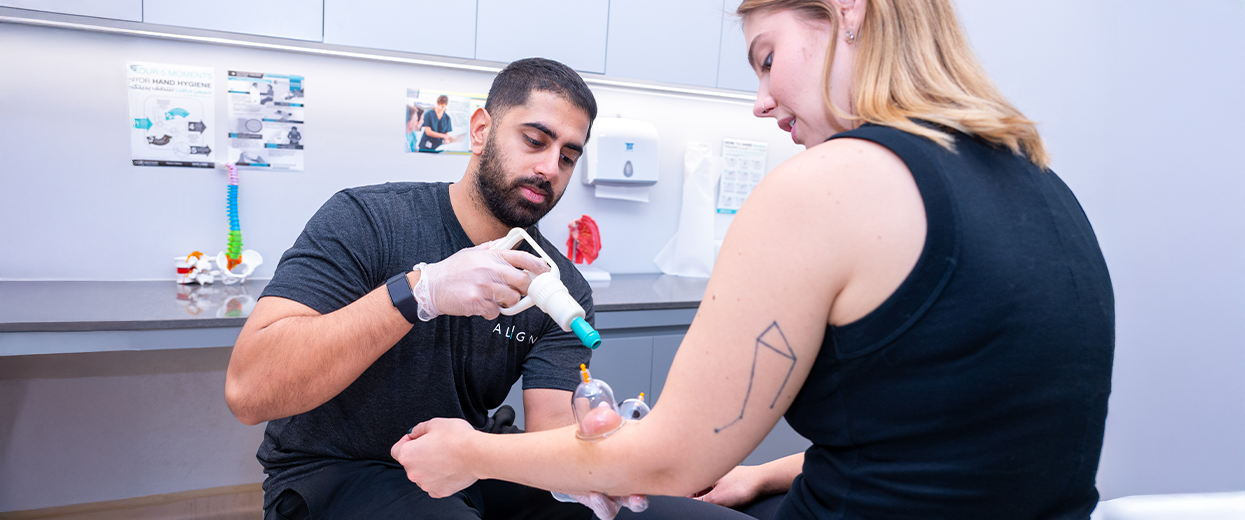
For tennis elbow, suction cups are placed strategically around the affected muscles and tendons. The gentle suction increases blood flow, helping to reduce stiffness and promote healing.

Unlike quick fixes, this approach works to release tightness in the forearm muscles, reduce inflammation, and encourage your body’s natural repair process. Many athletes also find that cupping improves their mobility, allowing them to return to training sooner.

When to Seek Help?

If you’ve been experiencing elbow pain for more than a few days and it doesn’t improve with rest, it’s worth consulting a professional. At ALIGN Health, the team combines modern therapy techniques with personalised care, ensuring you get the right support for your recovery.

Whether you’re an athlete wanting to get back on the court or field, or someone who simply wants to live without elbow pain, cupping therapy can be a gentle yet effective option.

This article is for informational purposes only and is not a substitute for professional medical advice, diagnosis, or treatment. Always seek the advice of a qualified healthcare provider before starting any new therapy, especially if you have underlying health conditions or persistent pain.


Physical Rehabilitation

Managing Arthritis Through Physical Rehabilitation

Living with arthritis isn’t just about sore joints. It’s about struggling through routines that used to feel easy, like getting up from a chair, reaching for a shelf, or walking through the grocery store. Over time, it chips away at your energy, your independence, and sometimes even your confidence.

And while painkillers and rest might seem like the only solution, they rarely get to the root of the problem. The real key to managing arthritis? Learning how to move smarter, not less. That’s where a certified rehab center for pain relief can really change the game.

Instead of focusing only on symptoms, physical rehabilitation gives you tools to take back control of your body at your own pace.

What Is Physical Rehabilitation?

Physical rehabilitation is a structured, evidence-based approach to help people recover or maintain physical abilities after injury, illness, or in the case of chronic conditions like arthritis. It is more than just exercise; it involves a full-body, whole-life strategy to help people move better, feel stronger, and live with less pain.

A rehabilitation plan typically includes:

  • Strength-building exercises

  • Flexibility and range-of-motion activities

  • Pain-relief techniques

  • Manual therapy

  • Education on posture and joint protection

  • Home exercise programs

  • Functional training for daily activities

Rather than treating the symptoms alone, rehabilitation addresses the root causes of physical decline in arthritis patients and provides strategies for long-term improvement.

Why Physical Rehabilitation Matters in Arthritis Management

Arthritis affects the joints by causing inflammation, cartilage breakdown, and joint damage. This leads to reduced mobility, muscle weakness, and pain. Over time, people with arthritis may avoid activity to prevent discomfort, but inactivity can make symptoms worse.

Physical rehabilitation plays a crucial role in reversing this cycle. It helps individuals with arthritis maintain independence, manage symptoms, and avoid more aggressive interventions like surgery. Here are key reasons why it’s so effective:

1. Improves Joint Stability and Strength

Arthritic joints often feel unstable or weak. Rehabilitation focuses on strengthening the muscles around the joint to improve support and stability. For example, strengthening the quadriceps can take pressure off the knees, while core strengthening can protect the spine.

2. Reduces Pain and Inflammation

A well-structured rehabilitation program includes pain-relief techniques such as manual therapy, stretching, heat or cold application, and low-impact exercises. These can help decrease inflammation and improve joint function.

3. Enhances Flexibility and Range of Motion

Arthritis often limits how far a joint can move. Regular mobility exercises and targeted stretching in a rehab program can restore or maintain flexibility. This allows patients to move more comfortably and carry out daily tasks with greater ease.

4. Prevents Muscle Loss

Arthritis-related inactivity leads to muscle weakening, which worsens mobility and increases the risk of falls. Rehabilitation helps counteract this by encouraging consistent, safe physical activity.

5. Builds Confidence and Reduces Fear of Movement

Fear of pain or further injury can discourage people with arthritis from staying active. Working with a professional therapist helps build confidence, ensuring that patients move safely and with purpose.

Conditions That Benefit from Rehabilitation

Not all arthritis is the same, and each type has its own treatment focus. A physical rehabilitation program can be adjusted based on the specific form of arthritis, such as:

  • Osteoarthritis (OA): Most common in older adults, OA causes cartilage breakdown and usually affects weight-bearing joints like knees and hips.

  • Rheumatoid Arthritis (RA): An autoimmune disease that attacks joint tissue, causing swelling and deformity.

  • Psoriatic Arthritis: Often linked to skin psoriasis, this condition affects both joints and tendons.

  • Ankylosing Spondylitis: A form of arthritis that affects the spine and can lead to decreased flexibility.

  • Juvenile Idiopathic Arthritis: Occurs in children and requires early rehabilitation to prevent growth-related complications.

Each condition needs a specific approach, which is why personalized rehab plans are crucial.

What to Expect in a Physical Rehabilitation Program

Every session is different, but here’s what it might include:

  • Gentle stretching to loosen tight muscles

  • Light resistance or strength exercises

  • Movement practice (getting in/out of chairs, walking safely)

  • Manual therapy or massage for stiff joints

  • Tips for doing daily tasks without overloading your body

You’ll also talk through things with your therapist. What’s working? What hurts? What are you avoiding out of fear? That conversation shapes everything.

Frequency and Duration of Therapy

Most patients benefit from two to three sessions per week in the beginning. Over time, the frequency may reduce as the patient gains strength and confidence. Depending on the condition’s severity, rehabilitation can last from several weeks to a few months.

Long-term success depends on consistency. Patients who follow home exercise programs and maintain an active lifestyle tend to see the best results.

Taking the First Step

Managing arthritis is about more than just reducing pain. It’s about improving the way you move, think, and feel every day. Physical rehabilitation is a practical, proven way to manage the challenges of arthritis and protect your mobility as you age.

If you or a loved one has arthritis, talk to your physician about getting started with a rehabilitation program. Choosing a trusted facility like ALIGN Health can ensure you receive the care and support needed for long-term success.

Physiotherapy for Knee Pain

How Can Physiotherapy for Women Help with Knee Pain?

Knee pain is a common issue among women of all ages. Whether it’s due to sports injuries, age-related wear and tear, pregnancy-related strain, or hormonal differences, women often experience knee problems that can affect daily movement and quality of life. Physiotherapy offers a non-invasive, personalized solution to manage and reduce knee pain without relying heavily on medication or surgery. In this blog, we’ll explore the benefits of physiotherapy for women, particularly in managing knee pain effectively.

If you’re based in the UAE and looking for professional support, ALIGN Health offers expert care for women in Abu Dhabi, helping you get back on your feet, literally.

Why Do Women Experience More Knee Pain Than Men?

Before diving into how physiotherapy helps, it’s important to understand why women are more prone to knee pain:

  • Wider pelvis: Women tend to have a wider pelvis, which affects knee alignment and increases stress on the joints.

  • Hormonal changes: Estrogen can affect ligament strength, making women more susceptible to injuries.

  • Pregnancy and postpartum changes: Weight gain, fluid retention, and ligament laxity during and after pregnancy put extra pressure on the knees.

  • Activity levels and footwear: Wearing high heels or improper footwear can strain the knees over time.

These biological and lifestyle factors make knee pain a widespread issue for many women, and physiotherapy is often the first recommended line of treatment.

The Benefits of Physiotherapy for Women with Knee Pain

Physiotherapy is a science-based, patient-centered approach that focuses on movement, strength, and function. Here are some of the key benefits of physiotherapy for women dealing with knee pain:

1. Accurate Diagnosis and Personalized Plans

A physiotherapist begins by conducting a full assessment to identify the root cause of your knee pain. Is it due to weak glutes? Poor posture? Misaligned hips? Based on this evaluation, they create a treatment plan tailored specifically for your body and your lifestyle.

2. Strengthening Weak Muscles

Weak thigh, hip, or gluteal muscles can shift extra pressure onto the knees. A physiotherapist will guide you through safe strength-building exercises. This improves joint support and helps reduce pain over time.

3. Improved Joint Mobility

Stiff knees can worsen pain and reduce flexibility. Physiotherapy includes techniques like joint mobilization and stretches that improve range of motion and make daily movements easier.

4. Correcting Movement Patterns

Poor movement habits like walking with your knees turned in or standing with locked knees can lead to chronic pain. Physiotherapists help correct these patterns, often through gait training and posture correction.

5. Pain Relief Without Medication

Manual therapy techniques such as soft tissue massage, taping, and dry needling can offer immediate relief from pain and inflammation, without the side effects of medication.

6. Prevention of Future Injuries

One of the most long-lasting benefits of physiotherapy for women is injury prevention. With better body awareness, stronger muscles, and improved balance, your risk of re-injury is greatly reduced.

Physiotherapy for Knee Pain During and After Pregnancy

Knee pain is especially common during pregnancy due to increased body weight, hormonal changes, and altered gait. Postpartum, women may continue to struggle with weak joints and instability.

Physiotherapists trained in women’s health can help:

  • Teach safe exercises that support joint stability during pregnancy

  • Support postpartum recovery, focusing on pelvic and knee strength

  • Offer ergonomic advice on carrying babies, breastfeeding posture, and safe lifting techniques

At ALIGN Health, specialized programs focus on both prenatal and postnatal physiotherapy, addressing knee pain in a safe and holistic manner.

Conditions That Cause Knee Pain in Women

Several conditions are frequently seen in women seeking physiotherapy for knee issues:

  • Patellofemoral pain syndrome (Runner’s knee) – Common in active women, especially runners or those who frequently squat.

  • Osteoarthritis – Wear and tear that leads to joint pain, stiffness, and limited mobility.

  • Ligament injuries – Such as ACL tears, more common in women due to knee structure and hormonal changes.

  • IT band syndrome – Often affects runners and results in pain on the outer side of the knee.

  • Chondromalacia patellae – Softening and damage to the cartilage under the kneecap.

Physiotherapy is a proven way to manage all of these conditions with minimal side effects and maximum functionality.

How a Typical Physiotherapy Session Helps with Knee Pain

If you’re unsure what to expect, here’s what a typical session might include:

Initial Assessment

  • Your medical history, pain level, and movement will be assessed.

  • Functional tests like squats or gait analysis may be done.

Treatment Techniques

  • Manual therapy to relieve tension and reduce pain

  • Targeted exercises to improve strength and mobility

  • Modalities like ultrasound or heat packs for inflammation

  • Education on posture, movement, and home-based care

Every session is designed to build upon the last, ensuring consistent progress over time.

When to Seek Physiotherapy for Knee Pain

You should consider seeing a physiotherapist if:

  • Your knee pain has lasted more than a week

  • Pain worsens with activity

  • You hear popping or clicking sounds during movement

  • Swelling or stiffness interferes with your daily life

  • You’re recovering from surgery or a sports injury

  • You’re pregnant or postpartum and experiencing new joint discomfort

Why Choose ALIGN Health for Women’s Physiotherapy?

ALIGN Health is known for providing expert care for women in Abu Dhabi, with a team of trained physiotherapists who understand the specific physical challenges women face at different stages of life.

Whether you’re recovering from an injury, dealing with postpartum changes, or simply want to improve joint function, ALIGN Health offers:

  • Personalized treatment plans

  • Advanced techniques like dry needling, cupping, and manual therapy

  • Supportive environment led by experts in women’s health

  • Education and guidance for long-term relief and prevention

At ALIGN, the focus is not just on healing, but on helping you feel strong, confident, and pain-free in your everyday life.

Heal with Right Care

Knee pain doesn’t have to be a life sentence. With the right care, you can take control of your movement, reduce discomfort, and get back to doing the things you love. One of the most effective ways to do that is through targeted physiotherapy.

The benefits of physiotherapy for women go far beyond pain relief—it’s about restoring strength, mobility, and confidence. Whether you’re managing chronic pain, healing from an injury, or navigating postpartum recovery, physiotherapy offers a safe and proven path forward.

Visit ALIGN Health to start your journey toward better knee health with expert care for women in Abu Dhabi.

Pelvic Physiotherapy

Common Pregnancy Discomforts That Pelvic Physiotherapy Can Help Relieve

Pregnancy is one of the most transformative periods in a woman’s life, but it often comes with a fair share of physical discomforts. From backaches and pelvic pressure to bladder leakage and sleep issues, the body goes through significant changes to support the growing baby. Thankfully, pelvic physiotherapy during pregnancy is a gentle and effective approach to ease many of these common discomforts.

At ALIGN Health, we work with expecting mothers to help their bodies feel more supported, balanced, and ready for childbirth. One of the services many women benefit from is pelvic floor rehab in Abu Dhabi, a program designed to strengthen, stretch, and relax the muscles that play a crucial role in pregnancy and delivery.

In this blog, we’ll explore the most common pregnancy-related aches and pains and how pelvic physiotherapy can help you manage them naturally.

What Is Pelvic Physiotherapy During Pregnancy?

Pelvic physiotherapy during pregnancy is a specialized form of physical therapy focused on the pelvic floor muscles, core, and surrounding structures like the hips, lower back, and abdominal wall. These muscles support the uterus, bladder, and bowels, and they undergo a lot of pressure as the pregnancy progresses.

A pelvic physiotherapist is trained to assess, treat, and provide exercise plans that support these changing needs. The goal is not just to relieve discomfort but also to prepare the body for a smoother delivery and faster postpartum recovery.

Common Pregnancy Discomforts That Pelvic Physiotherapy Can Help With

1. Lower Back Pain

Why it happens:
As the belly grows, your center of gravity shifts forward, putting strain on the lower back muscles. Hormonal changes also loosen ligaments, making your spine less stable.

How pelvic physiotherapy helps:
A pelvic physio will teach you gentle strengthening and stretching exercises that relieve pressure on your lower back. They’ll also help improve posture, which is key to keeping back pain in check.

2. Pelvic Girdle Pain (PGP)

Why it happens:
PGP refers to pain in the front or back of the pelvis due to loosened joints or muscle imbalances. It can make walking, climbing stairs, or turning in bed painful.

How pelvic physiotherapy helps:
Your therapist will assess how your pelvic joints are moving and offer targeted techniques to stabilize them. This might include core-strengthening moves, gentle manual therapy, and advice on posture and body mechanics to reduce strain.

3. Urinary Incontinence

Why it happens:
Hormonal changes and growing uterus pressure can weaken the pelvic floor, causing leakage when you cough, sneeze, or laugh.

How pelvic physiotherapy helps:
You’ll learn how to do proper pelvic floor exercises (not just any Kegels!) that actually target the right muscles. Your therapist may also use biofeedback to help you better connect with and strengthen your pelvic floor.

4. Constipation and Bloating

Why it happens:
Hormones like progesterone slow down digestion. At the same time, the growing uterus puts pressure on the bowels.

How pelvic physiotherapy helps:
A pelvic physio can guide you in breathing techniques and abdominal massage to stimulate gut movement. They also teach safe exercises to encourage regular bowel movements.

5. Round Ligament Pain

Why it happens:
The round ligaments that support the uterus stretch as the baby grows, often leading to sharp pain in the lower belly or groin.

How pelvic physiotherapy helps:
Your therapist can provide gentle stretches and soft tissue techniques to reduce tension in these ligaments. Strengthening nearby muscles can also take pressure off the ligaments.

6. Sciatica or Nerve Compression

Why it happens:
Weight gain and posture changes can cause the sciatic nerve to become irritated, causing sharp pain down the leg.

How pelvic physiotherapy helps:
Pelvic physiotherapy during pregnancy includes nerve glide exercises and gentle mobilization to relieve pressure on the nerve. You’ll also learn better ways to sit, stand, and sleep to minimize flare-ups.

7. Sleep Discomfort and Restlessness

Why it happens:
Finding a comfortable sleep position gets harder with each trimester. Aches, reflux, and frequent urination don’t help either.

How pelvic physiotherapy helps:
Your physio can recommend positions and pillows to support better sleep. Gentle nighttime stretches and breathing exercises may also reduce stress and body tension.

8. Pain During Intercourse

Why it happens:
Hormonal changes and pelvic floor tension can make intimacy uncomfortable or even painful.

How pelvic physiotherapy helps:
Through gentle internal and external release techniques, your therapist can help reduce tightness in the pelvic floor. You’ll also learn relaxation strategies to make intimacy more comfortable and enjoyable.

9. Shortness of Breath

Why it happens:
The growing uterus pushes upward into the diaphragm, making it harder to take full breaths.

How pelvic physiotherapy helps:
Your therapist can teach diaphragmatic breathing techniques that expand your ribcage and support lung function, even as your belly grows.

10. Prepping for Labor and Delivery

Why it matters:
Strong, flexible pelvic muscles can reduce tearing during delivery and support smoother pushing.

How pelvic physiotherapy helps:
Your physio will guide you through perineal massage techniques, optimal birthing positions, and labor-prep exercises to get you delivery-ready.

At ALIGN Health, our therapists often include these elements in your care plan, so you feel empowered heading into birth.

Why Choose ALIGN Health for Pelvic Physiotherapy During Pregnancy?

At ALIGN Health, we understand that pregnancy is not a one-size-fits-all experience. Our licensed pelvic physiotherapists provide personalized care based on your trimester, body type, and symptoms. We take a gentle, evidence-based approach that puts your comfort and safety first.

Whether you’re dealing with pelvic pain or preparing for birth, our Pelvic Floor Rehab in Abu Dhabi program is designed to support every stage of your pregnancy. You’ll leave each session feeling more informed, more aligned, and more in control of your pregnancy journey.

When to Start Pelvic Physiotherapy During Pregnancy?

Pelvic physiotherapy can be beneficial at any point in your pregnancy. However, starting early (even in the first trimester) can help prevent discomfort from becoming severe later on.

Many women begin treatment when symptoms like back pain, pelvic pressure, or leakage first appear. Others use it as a proactive tool to prepare their body for labor and delivery.

Always consult your OB-GYN before starting any new therapy. If given the green light, pelvic physio can be a game-changer.

Final Thoughts

Pregnancy is a time of great change—physically, emotionally, and hormonally. But pain and discomfort don’t have to be part of the experience. With professional guidance and the right care, you can ease many of the common challenges and enjoy a smoother journey to motherhood.

Pelvic physiotherapy during pregnancy offers real, gentle relief for the discomforts that most moms-to-be face. And with a trusted provider like ALIGN Health by your side, you’re not just managing symptoms—you’re actively preparing your body for one of life’s biggest moments.

Sports Massage

Treating Plantar Fasciitis: How Sports Massage Soothes Foot and Heel Pain

Foot pain can change how you walk, how long you stand, or even how well you sleep. One of the most common causes of this discomfort is plantar fasciitis, a condition that affects the thick band of tissue connecting your heel bone to your toes. If you’ve ever woken up to a sharp heel pain when taking your first steps, you’re not alone.

Many people turn to painkillers or shoe inserts. But more and more, experts recommend natural, hands-on treatments. That’s where sports massage for muscle pain comes in. This powerful therapy technique targets deep tissue tension and brings real relief. If you’re looking for sports massage for pain relief in Abu Dhabi, ALIGN Health offers expert care in treating this and other musculoskeletal problems.

Let’s break down how sports massage helps reduce pain, speed up healing, and get you back on your feet.

What is Plantar Fasciitis?

Plantar fasciitis is inflammation of the plantar fascia, a thick, fibrous band of tissue along the bottom of your foot. This tissue helps absorb shock and supports the arch of your foot. When overused or strained, it can tear or become inflamed, leading to stabbing pain, especially in the morning or after long periods of standing or walking.

Common symptoms include:

  • Sharp heel pain upon waking

  • Pain that worsens with activity

  • Tenderness in the arch or heel

  • Tightness in the calf muscles

Plantar fasciitis is especially common in runners, people who spend long hours on their feet, or those with flat feet or high arches.

What Causes Plantar Fasciitis?

Several factors contribute to this painful condition, including:

  • Overuse: Running, jumping, or standing for long periods

  • Poor footwear: Wearing unsupportive shoes, especially on hard surfaces

  • Tight calf muscles: These pull on the plantar fascia, increasing strain

  • High body weight: More weight puts more pressure on the plantar fascia

  • Sudden changes in activity levels

While rest and ice can help with short-term pain, treating the root cause requires addressing muscle tension and tissue inflammation. This is where sports massage for muscle pain comes in.

How Sports Massage Helps Plantar Fasciitis

Sports massage isn’t just for athletes; it’s a therapeutic method that uses deep tissue manipulation, trigger point therapy, and stretching to relieve pain and tension. Here’s how it can help if you’re suffering from plantar fasciitis:

1. Relieves Muscle Tightness

Tight calf muscles often worsen plantar fasciitis. Sports massage focuses on the calves, Achilles tendon, and foot muscles. By loosening these areas, the massage reduces the strain on your plantar fascia, easing heel pain.

2. Breaks Down Scar Tissue

Chronic plantar fasciitis can cause small tears in the fascia that heal with scar tissue. Sports massage techniques such as cross-fiber friction help break down this scar tissue, restoring normal movement and flexibility.

3. Improves Blood Flow and Healing

Massage increases circulation to the affected area. Better blood flow brings more oxygen and nutrients to damaged tissues and removes waste products, which is essential for faster recovery.

4. Reduces Inflammation and Pain

By manually stimulating the soft tissue, massage triggers the release of endorphins—your body’s natural painkillers. This lowers inflammation and reduces the sensation of pain in your heel and arch.

5. Promotes Foot Alignment

Misalignment in the foot muscles and connective tissues can worsen pain. Sports massage helps realign these structures, restoring balance and relieving pressure from sensitive areas.

What to Expect During a Sports Massage for Plantar Fasciitis

A typical sports massage session targeting plantar fasciitis might include:

  • Deep Tissue Techniques: Focused pressure on the calf muscles, Achilles tendon, and plantar fascia

  • Myofascial Release: Gentle stretching of the fascia to release tension

  • Trigger Point Therapy: Releasing knots and tight spots in the foot and leg

  • Assisted Stretching: Stretching the calves and foot arch to improve flexibility

The session may feel intense but should not be unbearably painful. The goal is to create therapeutic change, not discomfort. ALIGN Health ensures all sessions are tailored to your comfort level and pain tolerance.

How Many Sessions Are Needed?

This depends on the severity and how long you’ve had the condition. Generally, patients feel relief after 3–5 sessions. Chronic cases may need longer, especially if combined with other therapies like:

  • Physical therapy

  • Dry needling

  • Taping

  • Custom orthotics

The key is consistency and combining massage with proper stretching and strengthening exercises.

At-Home Tips to Support Your Recovery

While getting sports massage for muscle pain, you can support healing at home with:

  • Stretching Exercises: Focus on calves, Achilles tendon, and plantar fascia

  • Ice Therapy: 15–20 minutes post-activity can reduce inflammation

  • Foot Rolling: Use a tennis ball or frozen water bottle under your foot

  • Proper Footwear: Use cushioned shoes with good arch support

  • Avoid Going Barefoot on Hard Surfaces

ALIGN Health’s specialists often provide a full care plan, so you’re not just getting a massage—you’re getting guidance on long-term recovery.

Why Choose ALIGN Health for Sports Massage?

ALIGN Health is a trusted name in Abu Dhabi for advanced, patient-centered care. Their licensed therapists are trained in injury-specific massage techniques and work closely with physiotherapists to deliver integrated care. When you book a sports massage for pain relief in Abu Dhabi, you’re getting more than just a foot rub—you’re getting a clinical approach that looks at the full body.

What makes ALIGN Health different?

  • Customized treatments based on your pain history

  • Modern, relaxing facilities in central Abu Dhabi

  • Team of professionals, including sports therapists and physiotherapists

  • Continued support, including take-home stretches and rehab exercises

ALIGN Health understands that treating plantar fasciitis means treating more than the foot—it means treating the body as a whole.

This article is for informational purposes only and is not a substitute for professional medical advice, diagnosis, or treatment. Always speak to a healthcare professional before starting massage therapy, especially if you have underlying health conditions. ALIGN Health conducts full assessments before starting any treatment.

Get Back on Your Feet, Pain-Free

Living with plantar fasciitis doesn’t have to be your new normal. A targeted sports massage for muscle pain can bring real relief, faster healing, and fewer flare-ups. Whether you’re a runner, a nurse on your feet all day, or someone simply tired of morning heel pain, this therapy works.

By focusing on the muscles that surround and support the plantar fascia, massage offers a natural, non-invasive way to get you walking comfortably again. Don’t wait for the pain to get worse. Book a session with the experienced team at ALIGN Health and take your first step toward recovery.