
Managing Paddle Injuries: From Physiotherapy for Hip Pain to Shoulder Pain
If you’ve recently started playing paddle tennis or play regularly, you could notice some discomfort. It often begins as mild shoulder discomfort, then slowly shifts into stiffness or pain in the hips. What feels like a simple sport can place repeated stress on multiple parts of the body.
Visiting a physiotherapy centre in Abu Dhabi when these aches begin to affect movement, sleep, or daily activities is often the first step toward understanding how these injuries occur and how to manage them. In some cases, this may include approaches such as physiotherapy for hip pain or support for shoulder-related discomfort.
It is important to note that this information is general and meant to help you better understand how your body responds to paddle-related movements. It does not replace professional medical advice. If your symptoms persist, worsen, or interfere with daily life, it is always best to consult a qualified physiotherapist for personalised guidance.
Why Paddle Sports Can Lead to Multiple Injuries
While the game is generally low-impact and accessible for all ages, the game of paddle still carries a risk of injury and pain as it involves frequent stopping/starting, changing direction, shoulder reaching, and impact with the ball. Over time, this repeated motion may place strain on:
- Shoulder joints
- Upper back muscles
- Core stabilizers
- Hip joints and surrounding muscles
The body functions as a single connected system. If one area becomes tight or weak, another area can compensate. This process is often how shoulder discomfort can gradually lead to hip pain.
Some Common Paddle Injuries
Paddle is a fast-paced sport that combines quick movements, sudden direction changes, and repetitive strokes. While it is enjoyable and accessible, it can place strain on different parts of the body.
Some of the most common paddle-related injuries include the following:
1. Shoulder Strain
Repeated overhead and swinging motions could be the reason of discomfort or tightness in the shoulder. This is often one of the first areas affected.
2. Tennis Elbow (Lateral Elbow Pain)
Despite the name, this condition is common in paddle players. It develops due to repetitive gripping and swinging of the racket.
3. Lower Back Pain
Frequent twisting and bending movements can place stress on the lower back, especially if core strength is limited.
4. Hip Pain and Tightness
Quick lateral movements and rotation can strain the hip muscles and joints. Over time, this leads individuals to consider physiotherapy for hip pain to better manage movement and discomfort.
5. Knee Discomfort
Sudden stops and changes in direction affect the knees, particularly when strength or stability is limited.
These injuries often develop gradually rather than suddenly, which is why early attention is important.
How Physiotherapy Supports Paddle Tennis-Related Injuries
Injuries from paddle tennis are often linked to the way the body moves rather than to a single event. This is where physiotherapy can play an important role.
A physiotherapist focuses on improving how different parts of the body work together. In paddle sports, this includes coordination between the shoulders, core, and hips.
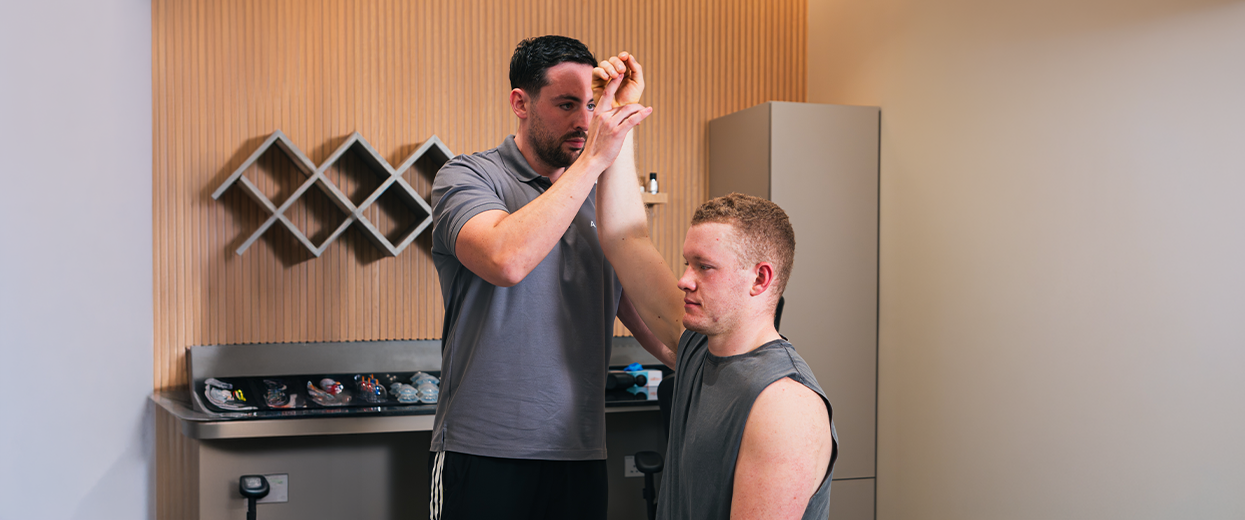
Through a detailed assessment, a physiotherapist can identify areas of weakness, stiffness, or imbalance that are contributing to discomfort. This is especially important when shoulder strain begins to affect the hips over time.
Approaches such as physiotherapy for hip pain are commonly used to support better movement, reduce strain, and help individuals return to activity in a more controlled way.
How to Treat the Injuries
While rest and basic care are important, physiotherapy is often a key part of managing paddle-related injuries. It focuses not only on relieving discomfort but also on improving movement patterns to reduce the chances of recurring strain.
1. Rest and Activity Modification
Reducing or adjusting activity levels may help prevent further irritation. This does not always mean stopping completely, but rather allowing the body time to recover.
2. Gentle Mobility Exercises
Light stretching and controlled movements can help maintain flexibility and reduce stiffness especially in the early stages of discomfort. These should be done carefully and ideally under guidance.
3. Gradual Return to Activity
Returning too quickly can increase the risk of recurring discomfort. A gradual approach allows the body to adapt safely.
4. Heat or Cold Application
In some cases, heat or cold therapy can help manage discomfort. The choice depends on the type and stage of the injury.
5. Professional Assessment
If symptoms persist, worsen, or interfere with daily life, it is important to seek professional advice. Self-management alone may not address the underlying cause.
For individuals experiencing ongoing discomfort, especially in the hips, physiotherapy can be recommended as part of a structured recovery plan.
How a Physiotherapist Can Help
A physiotherapist plays an important role in understanding and managing paddle-related injuries, especially when discomfort involves both the upper and lower body.
In paddle sports, the same movement is repeated many times. If the body is not moving efficiently, this repetition can increase stress on the joints. Physiotherapy helps address this by improving strength, flexibility, and control across the entire movement chain.
1. Identifying the Root Cause
Pain is not always caused by the area where it is felt. A physiotherapist assesses movement patterns to identify contributing factors.
2. Personalized Exercise Plan
Exercises are tailored to the individual. These focus on improving strength, flexibility, and coordination based on specific needs.
3. Movement Correction
Small changes in posture or technique can reduce unnecessary strain on the body. This is especially important in sports like padel.
4. Injury Prevention Guidance
A physiotherapist also provides advice on reducing the risk of future injuries. This can include warm-up routines, strengthening exercises, and recovery strategies.
5. Ongoing Support
Recovery is not always immediate. Ongoing guidance helps ensure that progress is steady and safe.
At Align Health, our physiotherapists focus on patient-centered care using evidence-based practices. Each individual is assessed carefully to ensure that recommendations are appropriate for their condition and lifestyle.
Moving Forward with Better Movement
Paddle-related injuries don’t usually come from a single moment. They build over time through repeated movement, especially when the body starts compensating for weakness or stiffness elsewhere. What begins as minor shoulder discomfort or hip tightness can gradually affect overall movement if left unaddressed.
Paying attention early and understanding how your body moves during the game makes a noticeable difference. With the right physiotherapy approach, focused on movement, strength, and control, it’s possible to stay active while reducing unnecessary strain and avoiding recurring issues.
Blog written by Fernando Tassi Salati, Physiotherapist.