
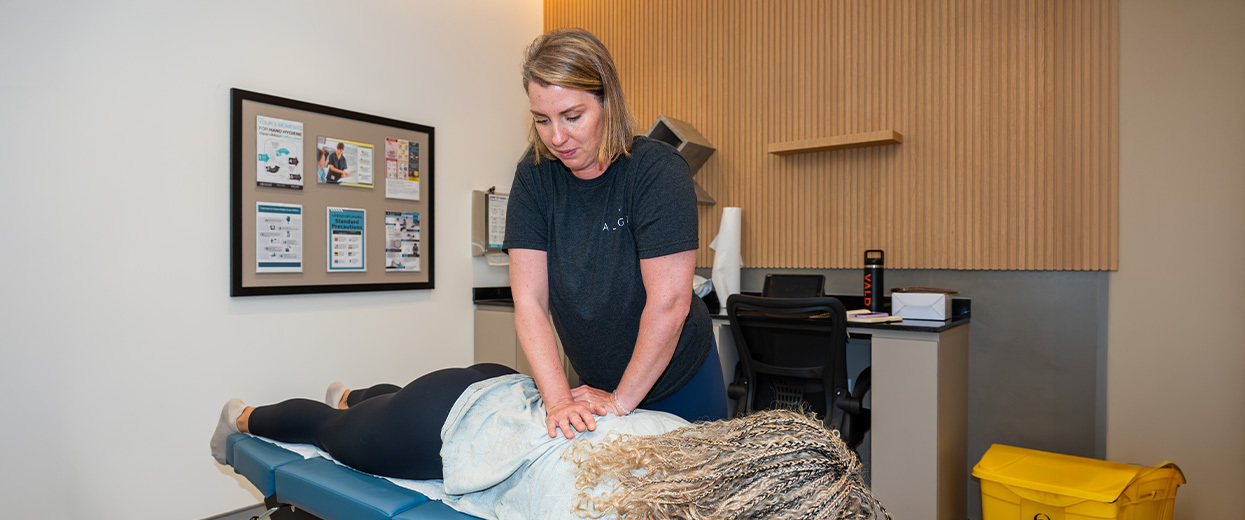
Physiotherapy for Disc Bulge: Understanding Bulging Disc vs Herniated Disc Care
Back pain often begins as mild discomfort but can gradually affect how you sit, walk, or sleep, especially when underlying issues like a disc bulge are involved. In such cases, approaches like physiotherapy for a disc bulge are often considered to help manage movement and reduce strain on the spine. For many individuals trying to understand their options, factors such as the physiotherapy session in Abu Dhabi also come into consideration as part of their decision-making process.
It’s important to note that while this article explains general differences and care approaches, it does not replace professional medical advice. Every individual’s condition can be different, and a proper assessment by a qualified physiotherapist is essential for accurate guidance.
What Are Spinal Discs and Why Do They Matter?
Your spine is made up of small bones called vertebrae. Between these bones are soft, cushion-like structures called discs. These discs act like shock absorbers. They help your spine move smoothly and reduce stress during daily activities like bending, lifting, or walking.
Each disc has two parts:
- A soft, gel-like center
- A tougher outer layer
When these discs are healthy, they support movement without pain. However, when affected, they may lead to discomfort, stiffness, or nerve-related symptoms.
What Is a Bulging Disc?
A bulging disc happens when the outer layer of the disc weakens and starts to push outward. The disc does not break open, but it extends beyond its normal position.
Think of it like a slightly flattened cushion that spreads out under pressure.
Common Features of a Bulging Disc
- The disc remains intact
- The bulge is usually gradual
- It may not always cause pain
- Symptoms may appear if nearby nerves are affected
In many cases, a bulging disc can exist without noticeable symptoms. However, if it presses on a nerve, it could lead to discomfort, tingling, or mild pain.
What Is a Herniated Disc?
A herniated disc is slightly more advanced. In this case, the outer layer of the disc develops a tear, allowing the inner gel-like material to push out. This can irritate nearby nerves more directly.
Common Features of a Herniated Disc
- The outer layer is damaged or torn
- The inner material leaks out
- It is more likely to cause noticeable symptoms
- Pain may radiate to other areas, like the arms or legs
For example, a herniated disc in the lower back could cause pain that travels down the leg. This is often linked to nerve irritation.
Bulging Disc vs Herniated Disc: Key Differences
While both conditions affect the spinal discs, the main difference lies in severity and structure.
- Bulging disc: The disc pushes outward but stays intact
- Herniated disc: The disc breaks and leaks its inner material
Both conditions can lead to discomfort, but a herniated disc is more likely to cause sharper or more persistent symptoms.
Why This Difference Matters in Daily Life
Understanding the difference is important because it affects how your body moves and feels during everyday activities.
You may notice:
- Difficulty sitting for long periods
- Pain when bending or lifting
- Stiffness in the back or neck
- Tingling or numbness in arms or legs
Even simple tasks like tying your shoes or getting out of bed can feel challenging. Over time, this could affect your work, sleep, and overall comfort.
This is where physiotherapy for disc bulges or related conditions can be considered as part of a supportive care approach.
Causes and Risk Factors
Both bulging and herniated discs can develop over time or due to sudden strain.
Common Causes
- Age-related wear and tear
- Poor posture during sitting or working
- Repetitive movements
- Heavy lifting with improper technique
- Lack of physical activity
Risk Factors
- Long hours of desk work
- Weak core muscles
- Sudden injuries or strain
- Excess body weight
Symptoms to Watch For
Not everyone experiences symptoms in the same way. Some people have mild discomfort, while others may feel more intense pain.
Possible Symptoms
- Localized back or neck pain
- Pain that travels to arms or legs
- Numbness or tingling sensations
- Muscle weakness
- Reduced range of motion
If symptoms persist or worsen, it is important to seek professional guidance rather than ignoring them.
How Physiotherapy Can Help?
Physiotherapy is commonly used to support people dealing with spinal disc issues. It focuses on improving movement, reducing discomfort, and helping the body function better.
When it comes to physiotherapy for disc bulges, a structured and personalized approach is usually considered.
1. Movement Assessment
A physiotherapist begins with a detailed assessment. This helps you understand how your body moves and where the discomfort is coming from.
2. Pain Management Techniques
Different techniques are used to help reduce discomfort, such as:
- Manual therapy
- Gentle mobility work
- Soft tissue techniques
These methods aim to improve comfort without putting extra strain on the spine.
3. Targeted Exercises
Exercises are often designed to:
- Strengthen supporting muscles
- Improve posture
- Enhance flexibility
For example, core strengthening exercises help support the spine better.
4. Posture and Lifestyle Guidance
Daily habits play a big role in spinal health. A physiotherapist can guide you on:
- Sitting posture
- Workstation setup
- Safe lifting techniques
These small changes can make a noticeable difference over time.
5. Gradual Return to Activity
If pain has limited your movement, physiotherapy can help you return to normal activities in a controlled and safe way.
Practical Tips to Support Your Spine
While professional care is important, small daily habits can also support spinal health.
- Avoid sitting for long periods without breaks
- Maintain a neutral posture while working
- Lift objects using your legs, not your back
- Stay active with gentle movement
- Use supportive seating when possible
These habits helps reduce unnecessary strain on your spine.
Key Takeaway
Even though bulging discs and herniated discs sound similar, they are not the same. One involves a disc pushing outward, while the other involves a tear and leakage of inner material.
Both conditions can affect your daily life, but with the right understanding and support, you can manage symptoms more effectively. Exploring options like physiotherapy for a disc bulge can be a step toward better movement and comfort.
Blog written by Fernando Tassi Salati, Physiotherapist.