
Understanding Slip Disc Physiotherapy and Back Care for Your Triathlon Practice
Training for a major triathlon event like TriYAS 2026 takes months of commitment. Athletes often focus on speed, distance, and stamina, but spinal health can quietly become an issue during intense preparation. Lower back discomfort, stiffness, or recurring pain are concerns many endurance athletes notice as training volume increases. This is where awareness of slip disc physiotherapy becomes important, especially when guided by a qualified physiotherapy specialist in Abu Dhabi.
This article focuses on understanding disc-related back issues, why they matter during endurance training, and how physiotherapy is commonly used to support safe and sustainable back care. However, the article is only for educational purpose and does not replace professional medical advice, diagnosis, or treatment. Individual conditions vary, and symptoms should always be assessed by a qualified healthcare professional.
What is a Slip Disc? A Simple Explanation
A slip disc, also known as a disc bulge or disc herniation, refers to a condition where one of the spinal discs moves out of its usual position or becomes irritated. These discs act as cushions between the bones of the spine and help absorb movement and impact.
In some people, disc-related changes may cause pain, stiffness, or nerve-related symptoms. In others, there may be minimal discomfort. The experience varies widely and depends on many factors, including overall health, activity level, and movement habits. A slip disc can only be properly assessed by a qualified healthcare professional.
Why Endurance Training Can Affect the Lower Back
Triathlon training combines swimming, cycling, and running, each placing different demands on the spine.
- Cycling often involves prolonged forward bending.
- Running creates repeated impact through the lower back.
- Swimming requires coordinated spinal and core control.
Over time, fatigue, muscle imbalance, or reduced recovery may place extra stress on spinal structures. This does not mean endurance sports cause disc problems, but it highlights why spinal awareness is important during preparation for triathlon events.
Early Back Symptoms Athletes Should Pay Attention To
Many athletes push through discomfort, assuming it is a normal part of training. However, certain signs may indicate the need for professional assessment:
- Persistent lower back stiffness after training
- Pain that increases with prolonged sitting or bending
- Reduced flexibility or confidence in movement
- Discomfort that interferes with training consistency
Seeking guidance early may help address movement patterns before symptoms worsen.
Understanding Slip Disc Physiotherapy in Athletic Care
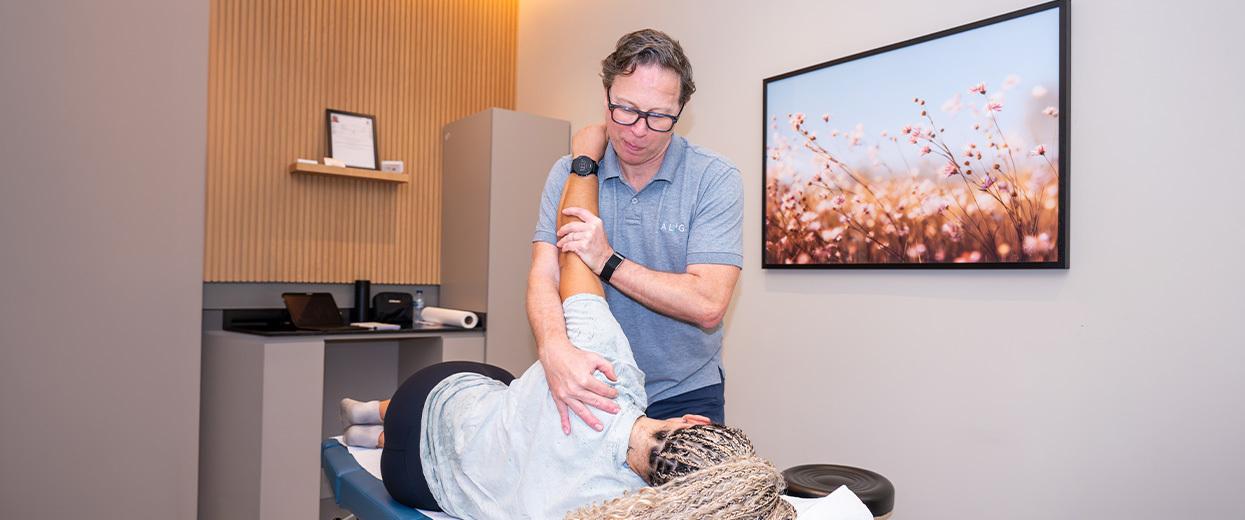
Slip disc physiotherapy is commonly used as part of conservative, non-surgical care for individuals with disc-related back concerns. Rather than focusing on quick fixes, physiotherapy emphasizes understanding how the body moves and responds to load.
For athletes, this approach may include:
- Assessing posture, movement patterns, and training habits
- Identifying muscle imbalances that affect spinal support
- Improving control and coordination around the spine
- Educating individuals on safer movement strategies
Slip disc physiotherapy does not aim to diagnose or cure conditions. Instead, it supports functional movement and symptom management under professional guidance.
How Physiotherapy Supports Back Care During Triathlon Training
Preparing for a demanding event requires more than physical endurance. Back care plays a key role in long-term training sustainability.
Physiotherapy may support athletes by:
- Enhancing core stability to reduce unnecessary spinal strain
- Addressing repetitive movement stress from cycling or running
- Supporting flexibility while maintaining spinal control
- Encouraging balanced strength across muscle groups
Every athlete is different, which is why physiotherapy plans are typically personalized based on individual assessment rather than standard routines.
Training Habits That Help Protect Spinal Health
While no approach can guarantee injury prevention, physiotherapists often encourage habits that support spinal well-being during endurance training:
- Gradual progression of training intensity
- Adequate rest and recovery days
- Cross-training to reduce repetitive strain
- Paying attention to early discomfort signals
These habits support overall movement health and may reduce unnecessary stress on the spine.
Key Takeaway for Triathlon Athletes
Training for a triathlon is a significant physical commitment. While back discomfort can occur during intense preparation, awareness and early professional guidance matter. Slip disc physiotherapy plays a supportive role in helping athletes understand their movement, manage symptoms, and train more confidently, without guarantees or one-size-fits-all promises.
Taking spinal health seriously is not about limiting performance. It is about supporting longevity and consistency in training.