
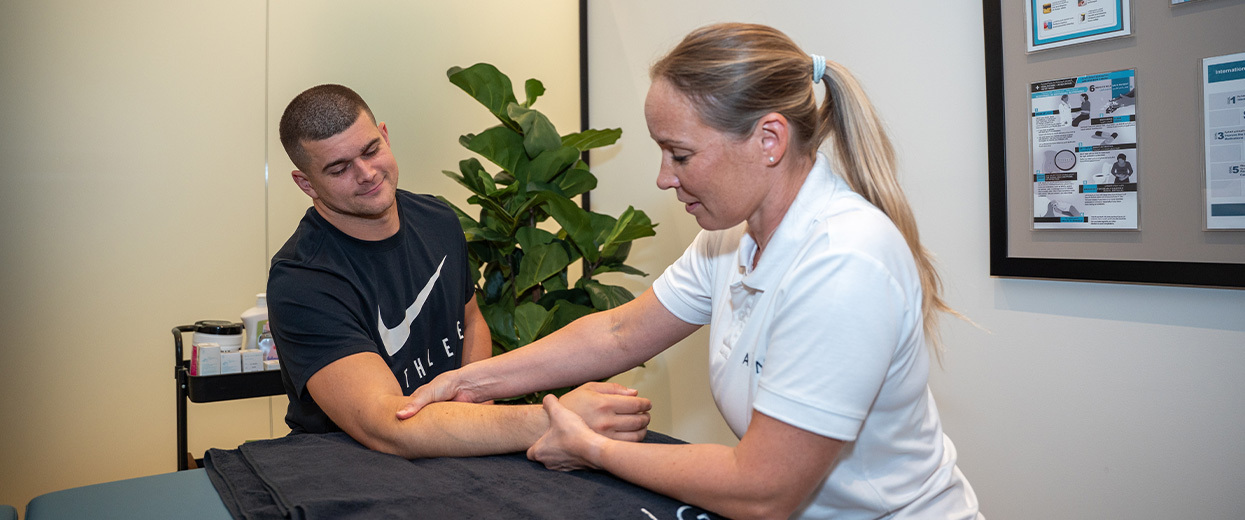
Sports Massage: Types, Benefits, and Post-Workout Recovery at Align Health
A post-workout sports massage is one of the most effective ways to support your body’s recovery after physical exertion. It is a practical, evidence-backed tool for anyone who trains regularly and wants to keep doing so without breaking down.
Whether you are training regularly, preparing for an event, or dealing with muscle fatigue, seeking a professional sports massage service in Abu Dhabi can be part of a structured recovery routine that supports movement and physical performance over time.
At Align Health, we work with everyone from competitive athletes to weekend runners. This guide covers what sports massage actually is, the different types, its benefits, and how to make it part of your recovery routine.
The information in this guide is for educational purposes only. It is not intended as a substitute for professional medical advice, diagnosis, or treatment. Always speak with your doctor or another qualified healthcare provider about any questions you may have regarding a medical condition.
What Is Sports Massage?
Sports massage is a targeted form of soft tissue therapy designed to support physical performance and recovery. It focuses on the muscles, tendons, and connective tissue that take the most strain during exercise or repetitive physical activity.
Unlike a general relaxation massage, sports massage is purposeful. Your therapist applies specific techniques based on what your body needs, whether that is preparing for a race, recovering from a tough training block, or addressing a persistent area of tightness.
Types of Sports Massage
Not all sports massage sessions look the same. The right approach depends on where you are in your training cycle and what your body is dealing with.
Pre-Event Massage
This type of massage session is given 15-30 minutes before a competition or a demanding training session. The goal is to increase blood flow, loosen up the muscles, and prepare your body to move well. Sessions are typically shorter and use faster, more stimulating techniques to activate rather than sedate.
Post-Event Massage
This is what most people are looking for when they search for a recovery massage after exercise. Done within a few hours to a couple of days after intense activity, post-event massage helps flush metabolic waste products from the muscles, reduce swelling, and ease the stiffness that follows hard physical effort.
Maintenance Massage
This is the regular, ongoing work that supports training over time. Whether you train three times a week or every day, maintenance sessions help identify and address areas of tension before they become injuries. Think of it as ongoing servicing for your body, not just damage control.
Rehabilitative Massage
When an injury has already occurred, rehabilitative massage becomes part of the recovery process. It is used alongside other physiotherapy treatments to reduce scar tissue formation, restore range of motion, and support healing in the affected tissues.
Deep Tissue Sports Massage
Deep tissue work targets the deeper layers of muscle and connective tissue. It is slower and more focused than surface-level techniques and is used to break up adhesions, knots, and chronic tension patterns that lighter massage cannot reach. This is particularly useful for athletes dealing with persistent tightness that does not respond to stretching alone.
Key Benefits of Sports Massage
Sports massage is commonly used by active individuals not only to manage soreness after exercise but also to support movement, recovery, and overall physical performance over time. While experiences vary from person to person, regular sports massage may offer several physical and recovery-related benefits when incorporated into a well-balanced training routine.
Reduces Muscle Soreness After Exercise
Research suggests this is the most well-known benefit. A targeted recovery massage after intense training can meaningfully reduce the soreness that peaks 24 to 48 hours post-workout, helping you get back to training sooner.
Improves Circulation and Tissue Recovery
Massage increases blood flow to the treated area. More blood means more oxygen and nutrients are delivered to recovering muscle tissue and faster removal of waste products like lactate that accumulate during exercise.
Restores Flexibility and Range of Motion
Regular training creates tightness. Over time, that tightness limits how well you move. Massage works on the soft tissue restrictions that stretching alone cannot always address, helping you maintain the range of motion you need to train safely and effectively.
Reduces Injury Risk
By addressing tension, imbalances, and early-stage restrictions before they develop into something more serious, ongoing massage therapy is a proactive approach to staying injury-free. Many athletes find that it prevents the kinds of overuse injuries that come with accumulated training load.
Supports Mental Recovery
Training puts demands on the nervous system as well as the muscles. Sports massage has a measurable effect on perceived stress and fatigue, which is part of why athletes report feeling better and more ready to train after a session, not just less sore.
Helps Identify Problem Areas Early
An experienced therapist will notice things you may not: areas of unusual tightness, asymmetries, or tissue changes that could become a problem if left unaddressed. Regular sessions create a feedback loop between you and your therapist that is genuinely useful for managing training.
How to Incorporate Sports Massage Into Your Recovery Routine
There is no one-size-fits-all answer here. It depends on your training volume, goals, and how your body responds.
For regular gym-goers and recreational athletes, one session every two to four weeks is a reasonable starting point for maintenance. After your heavier training periods or competitions, adding a session in the days that follow makes sense.
For people in structured training programs, more frequent sessions are common, often weekly or fortnightly. Your therapist can help you work out the right frequency based on your schedule and how you are recovering between sessions.
Timing matters. For a recovery massage after strenuous exercise, the 24 to 72-hour window post-workout tends to work well for most people. Immediately after intense exercise, your muscles are in a more sensitive state, so very deep work is usually not appropriate in that first hour or two.
Hydration helps. Drink water before and after your session. Massage increases circulation and supports the movement of fluid through tissues, and being well-hydrated supports that process.
Combine it with other recovery strategies. Sports massage works best as part of a broader approach that includes adequate sleep, proper nutrition, and smart programming. It is one tool in the kit, not the whole kit.
Sports Massage at Align Health in Abu Dhabi
At Align Health, sports massage is delivered by experienced DHO-certified practitioners. Our therapists work alongside physiotherapists, chiropractors, and other allied health professionals.
If you are looking for professional sports massage in Abu Dhabi that is integrated with wider physiotherapy care, that is what we offer. Whether you need a post-event session after a competition, regular maintenance work during a training block, or help recovering from a soft tissue injury, we can tailor the approach to what you actually need.
We see a wide range of clients, including runners, cyclists, CrossFit athletes, team sport players, and active professionals who train regularly and want to stay that way.
FAQs
How soon after exercise should I get a sports massage?
For recovery purposes, most people find 24 to 48 hours after intense exercise works well. Very intense deep tissue work is usually better avoided in the first hour post-exercise when muscles are most sensitive.
Will a sports massage hurt?
Some discomfort during deeper work is normal, especially in areas of significant tension. It should not be painful in a way that feels harmful. Good communication with your therapist throughout the session is important, and a skilled practitioner will adjust pressure based on your feedback and the tissue response.
How is sports massage different from a regular relaxation massage?
Relaxation massage focuses on promoting overall well-being and reducing stress. Sports massage is more targeted, using specific techniques aimed at the muscles and tissues under greatest load. It is more purposeful and typically more intense in specific areas.
How long does a sports massage last?
A sports massage lasts between 45 and 90 minutes. Shorter, 30-minute sessions are available for targeting specific problem areas, while 90-minute sessions allow for deeper work on multiple muscle groups.
Can sports massage help with an existing injury?
In many cases, yes, but it depends on the injury and its stage. Some conditions benefit from massage as part of a broader rehabilitation plan, while others require different interventions first. A proper assessment by a physiotherapist is the right starting point if you are dealing with an injury.
Is sports massage suitable for everyone?
Sports massage is suitable for anyone who is physically active, whether that is structured sport, regular gym sessions, or an active job that puts physical demands on the body.
When should you not have a sports massage?
Contraindications to sports massage include acute injuries (within 48–72 hours), infections/fever, deep vein thrombosis (DVT), open wounds, fractures, uncontrolled high blood pressure, and bleeding disorders. Massage must be avoided or modified to prevent injury exacerbation or severe health complications.
Blog written by Fernando Tassi Salati, Physiotherapist.