Ankle Sprain Recovery: Why Rehabilitation Matters Beyond Pain Relief
An ankle sprain often feels much better before the ankle is fully ready for normal activity. The swelling goes down, walking becomes easier, and the pain may be almost gone. That is usually the point when people stop thinking about the injury and go straight back to the gym, running, padel, football, or another sport.
The problem is that pain relief does not automatically mean movement, strength, balance, confidence, and sport-specific function have recovered. Ankle sprain recovery is therefore about more than waiting for discomfort to disappear. Rehabilitation helps rebuild the qualities the ankle needs to tolerate everyday activity and the demands of sport.
Align Health is a DOH-certified physiotherapy clinic in Abu Dhabi. The information in this blog is for educational purposes only and is not a substitute for professional medical advice, diagnosis, or treatment. Always consult a qualified healthcare provider regarding your specific condition.
What Happens in an Ankle Sprain?
Most ankle sprains involve the ligaments on the outside of the ankle after the foot rolls inwards. The injury can range from a mild ligament sprain to a more significant injury with swelling, bruising, reduced movement, and difficulty bearing weight.
Not every ankle injury is a simple sprain. Fractures, tendon injuries, joint injuries, and other problems can produce similar symptoms, particularly after significant trauma. An assessment is important when you are unable to bear weight, there is marked bony tenderness or deformity, symptoms are severe, or the injury is not improving as expected.
Stage 1: Protect the Ankle and Restore Comfortable Movement
In the early stage, the priority is to protect the injured ankle from further aggravation while beginning appropriate movement and weight bearing when safe. The exact approach depends on the severity of the sprain and whether a fracture or more significant injury has been ruled out.
Long periods of complete rest are not always helpful. Current clinical guidance supports progressive loading and exercise as part of recovery for many lateral ankle sprains, with the programme adapted to the injury and the person.
Stage 2: Get the Range of Movement Back
An ankle can become stiff after a sprain, particularly into movements needed for walking, squatting, stairs, running, and landing. If this restriction persists, people often compensate elsewhere in the foot, knee, or hip.
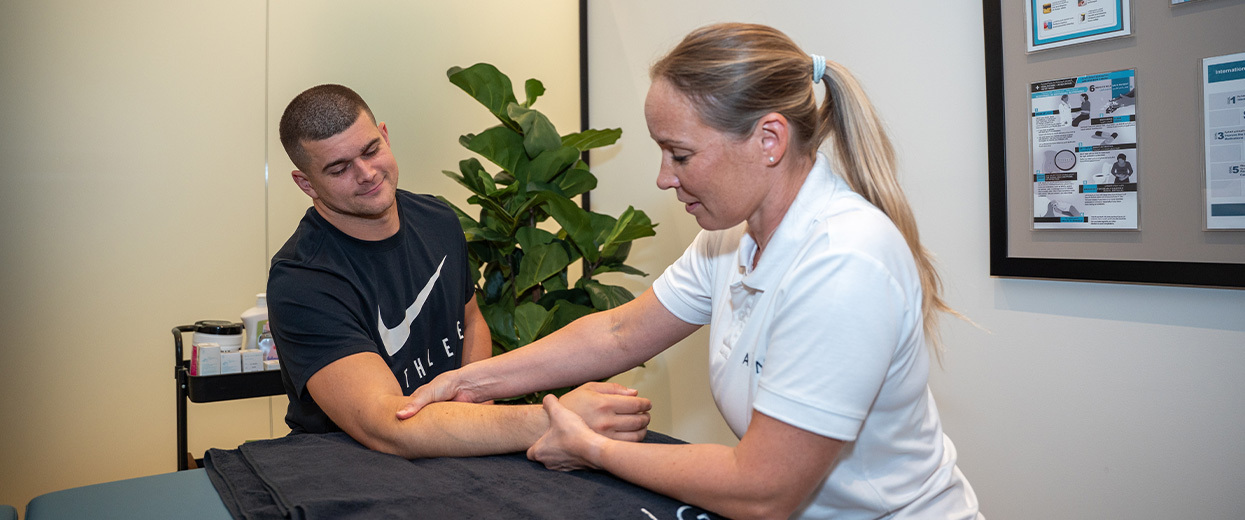
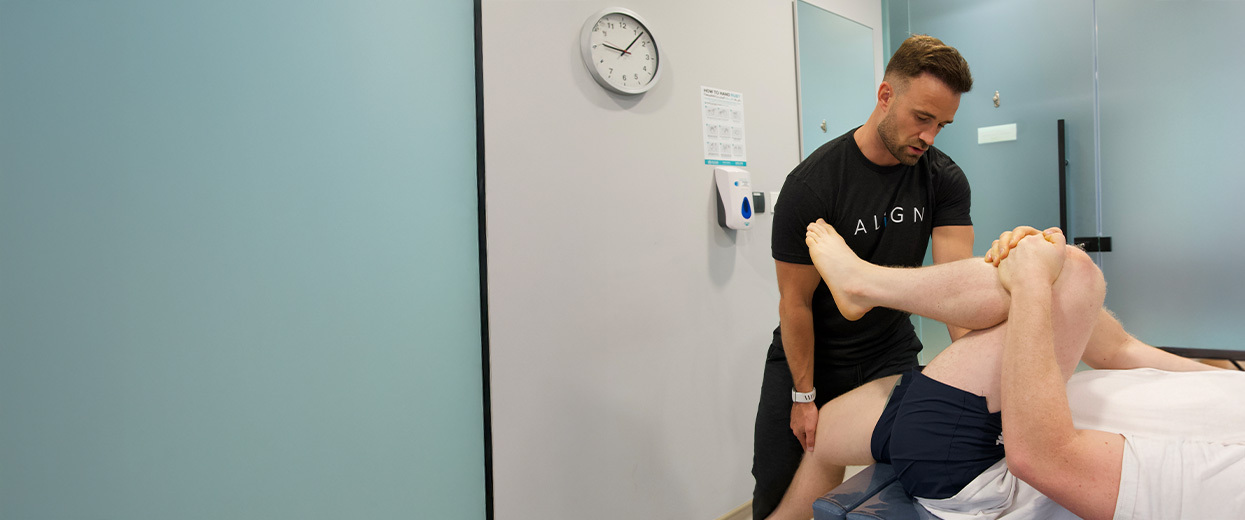
Rehabilitation may include mobility exercises and, where clinically appropriate, manual therapy. The goal is not to force the ankle through pain. It is to restore the movement needed for normal function while respecting tissue healing and symptom response.
Stage 3: Rebuild Strength
Once walking feels easier, the ankle still needs to regain strength and endurance. Calf strength is important for walking, running, jumping, and changing direction, while the muscles around the ankle and lower leg contribute to control and stability.
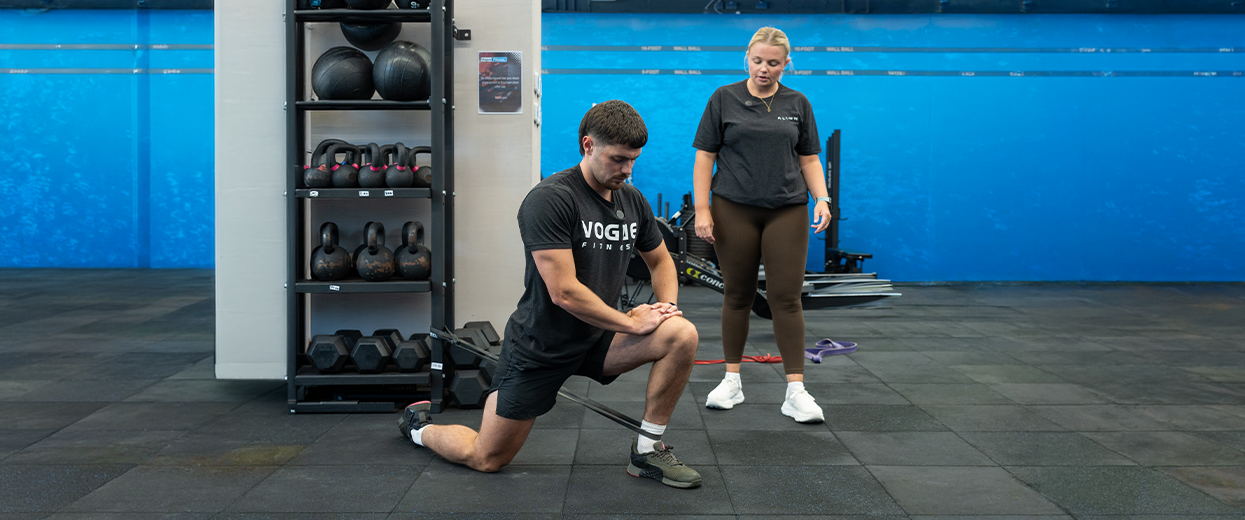
Strength work is progressed from simple exercises to more demanding single-leg tasks. The level should eventually reflect the activities you plan to return to rather than stopping as soon as basic exercises feel easy.
A structured programme of physiotherapy for ankle sprains can help match the exercise progression to the severity of the injury and the demands of your normal activity or sport.
Stage 4: Retrain Balance and Control
After an ankle sprain, some people continue to feel unstable or describe the ankle as if it might give way. Balance and proprioceptive training can therefore be an important part of rehabilitation, especially for people returning to sports that involve landing, quick changes of direction, or uneven surfaces.
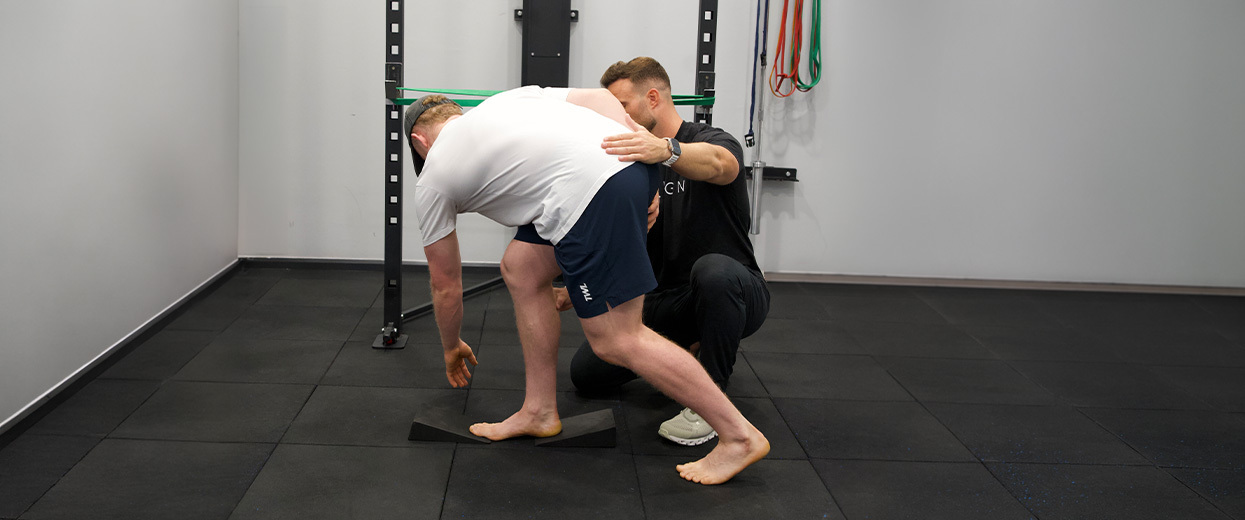
These exercises should progress beyond simply standing on one leg. Depending on the person, rehabilitation may build towards dynamic balance, hopping, landing, agility, and reactive tasks.
Stage 5: Prepare for the Activity You Want to Return To
Being able to walk without pain is not the same as being ready for a match, a run, or a high-intensity class. Return-to-sport decisions can consider pain, ankle movement, strength, endurance, balance, confidence, hopping and agility, sport-specific drills, and whether you can tolerate a normal training session.
This is why the final stage of ankle sprain recovery should look increasingly like your real activity. A runner may need a repeated hopping and running load. A padel player may need lateral movement and change of direction. A gym-goer may need confidence under load.
This progression is part of physiotherapy for injury recovery, where the goal is not simply to reduce symptoms but to restore the function needed for daily life and sport.
Why Stopping Rehabilitation When Pain Stops Can Be a Problem
Pain is useful information, but it is not a complete readiness test. Research has found that exercise-based rehabilitation can reduce recurrent ankle sprain compared with usual care, and clinical guidelines emphasise exercise, balance, strength, and functional progression.
If you return before these qualities have recovered, you may feel hesitant, compensate during movement, or expose the ankle to demands it has not yet rebuilt. That does not mean every ankle sprain needs months of treatment. It means the end point should be based on function rather than pain alone.
When to Get an Ankle Sprain Assessed
Seek assessment if you cannot bear weight after the injury, have severe swelling or deformity, marked bony tenderness, numbness or circulation changes, or symptoms that are worsening. A physiotherapy assessment is also useful if pain and swelling settle but the ankle remains stiff, weak, unstable, or difficult to trust during activity.
Ankle Sprain Rehabilitation at Align Health
At Align Health, ankle rehabilitation is tailored to the injury, your current function, and what you need to return to. Treatment may include movement restoration, progressive strengthening, balance and control work, and a graded return to exercise or sport.
If your ankle feels better but not fully ready, book a physiotherapy assessment at alignhealth.ae or call 02 585 8322 (Al Zeina) or 02 671 9103 (Saadiyat).
Frequently Asked Questions
How long does an ankle sprain take to recover?
Recovery varies with the severity of the injury, the structures involved, previous sprains, and the activity you are returning to. Mild sprains may improve relatively quickly, while more significant injuries can require a longer rehabilitation period. Function is more useful than a fixed calendar date.
Can I exercise if my ankle sprain no longer hurts?
Possibly, but pain-free walking alone does not confirm that the ankle is ready for full exercise. Strength, movement, balance, confidence, and the specific demands of your activity should also be considered.
Do I need physiotherapy for a mild ankle sprain?
Some mild sprains recover well with appropriate self-management. Physiotherapy can be useful when you are unsure how to progress, symptoms persist, the ankle feels unstable, you have had previous sprains, or you need to return to demanding sport.
Why does my ankle keep giving way after a sprain?
Ongoing instability can occur after an ankle sprain and may involve strength, balance, sensorimotor control, mechanical factors, and confidence. Recurrent giving way is a good reason to have the ankle assessed rather than relying only on rest.
When can I return to sport after an ankle sprain?
Return to sport should consider more than time since injury. Pain, range of movement, strength, balance, confidence, hopping and agility, sport-specific tasks, and tolerance of training can all help guide the decision.
Blog written by Fernando Tassi Salati, Physiotherapist.
References
Martin RL, Davenport TE, Fraser JJ, et al. Ankle Stability and Movement Coordination Impairments: Lateral Ankle Ligament Sprains Revision 2021. Journal of Orthopaedic & Sports Physical Therapy. 2021;51(4):CPG1-CPG80. doi:10.2519/jospt.2021.0302.
Wagemans J, Bleakley C, Taeymans J, et al. Exercise-based rehabilitation reduces reinjury following acute lateral ankle sprain: A systematic review update with meta-analysis. PLoS One. 2022;17(2):e0262023. doi:10.1371/journal.pone.0262023.
Smith MD, Vicenzino B, Bahr R, et al. Return to sport decisions after an acute lateral ankle sprain injury: introducing the PAASS framework – an international multidisciplinary consensus. British Journal of Sports Medicine. 2021;55(22):1270-1276. doi:10.1136/bjsports-2021-104087.