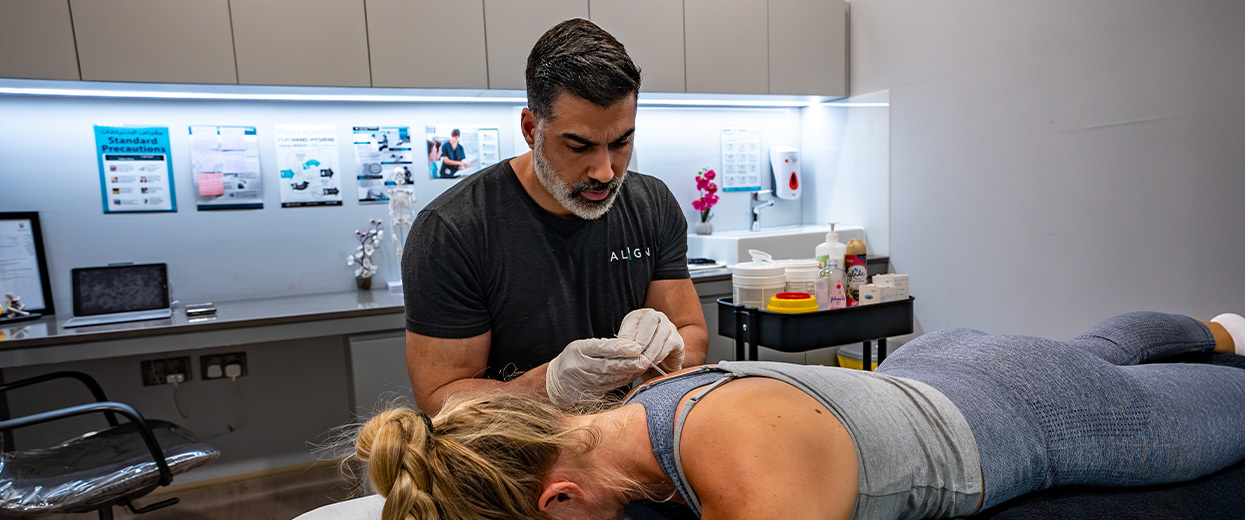
Chiropractic Experts in Abu Dhabi

The Benefits of Seeing Chiropractic Experts in Abu Dhabi for Posture Correction

If you’ve been slouching at your desk or constantly catching yourself hunched over your phone, you’re not alone. Poor posture is one of the most common issues people face today, especially with our increasingly sedentary lifestyle. Whether you’re dealing with chronic back pain, stiffness in your neck, or even fatigue, your posture may be to blame. Luckily, posture correction doesn’t always require invasive treatment or medication. Visiting chiropractic experts in Abu Dhabi can offer long-term, drug-free relief that supports both structural balance and overall well-being.

This blog explores the benefits of seeing a chiropractor for posture correction—and why it might be the solution you didn’t know you needed.

What Causes Poor Posture?

Let’s start with the basics. Posture problems usually develop over time, not overnight. Common causes include:

  • Prolonged sitting (especially at a computer or on a couch)

  • Using mobile devices for long periods

  • Improper ergonomics at work or home

  • Weak core or back muscles

  • Past injuries or muscular imbalances

  • Wearing unsupportive footwear

  • Stress or emotional tension

Many people don’t realise how much their spine compensates for daily habits. Over time, the muscles and ligaments in the back, neck, and shoulders adapt to these bad positions, leading to what’s known as “postural dysfunction.” That’s where a chiropractor steps in.

How Chiropractors Help with Posture Correction

Chiropractic care focuses on the alignment of the spine and musculoskeletal system. When your spine is properly aligned, your muscles and joints function better, and your posture naturally improves. Here’s how chiropractors in Abu Dhabi assist with posture correction:

1. Spinal Adjustments

Chiropractors use hands-on techniques to realign the vertebrae. These gentle but targeted adjustments help reduce tension, improve mobility, and restore balance to your spine. Over time, this allows your body to hold itself in a healthier position without conscious effort.

2. Postural Assessments

At your first visit, a chiropractor will assess your posture by examining spinal curvature, shoulder height, and head position. They’ll also check how you walk and stand. This helps pinpoint the root cause of your bad posture—whether it’s a tilted pelvis, forward head posture, or scoliosis.

3. Personalised Treatment Plans

No two bodies are alike. That’s why a good chiropractor will design a treatment plan tailored to your specific needs. This often includes manual adjustments, stretches, muscle strengthening exercises, and recommendations for daily ergonomics.

4. Muscle Training and Rehabilitation

Many posture problems come from weak or imbalanced muscles. Chiropractors guide patients through strengthening and mobility exercises to retrain muscles that support the spine, such as the core, glutes, and upper back.

5. Education and Lifestyle Advice

Good posture doesn’t end when you leave the clinic. Chiropractors educate patients on healthy habits like sitting properly, sleeping with the right pillow, and setting up ergonomic workstations. They’ll help you build awareness around posture in your daily routine.

The Benefits of Chiropractic Care for Posture

Now that we understand how chiropractic treatment works, let’s look at the benefits of visiting a chiropractor for posture correction.

Improved Spinal Health

Regular chiropractic sessions promote proper spinal alignment, which relieves pressure from discs and nerves. This supports your entire nervous system and reduces discomfort associated with poor posture.

Long-Term Pain Relief

Neck pain, back pain, and even headaches often stem from bad posture. By correcting alignment issues, chiropractic care reduces or even eliminates these symptoms, helping you feel better every day.

Enhanced Mobility and Flexibility

Many people with posture issues experience tightness in their hips, shoulders, and upper back. Chiropractic care increases joint range of motion, making everyday activities like walking, stretching, and lifting feel easier and more natural.

Better Breathing

Did you know poor posture compresses your lungs and diaphragm? By improving your spinal alignment, chiropractic care helps open up your chest, allowing you to breathe deeper and more efficiently.

Boosted Energy Levels

When your body is out of alignment, it has to work harder just to hold you upright. This drains your energy. Good posture reduces physical strain, helping you feel more energised throughout the day.

Confidence and Appearance

Standing taller doesn’t just feel better—it looks better. Proper posture improves your overall appearance and can make you look slimmer, more confident, and more composed.

Why Choose Chiropractic Experts in Abu Dhabi?

Not all chiropractors offer the same level of care. At ALIGN Health, you’re not just getting routine spinal adjustments—you’re getting personalised, evidence-based care delivered by trained professionals.

Here’s what sets ALIGN Health apart:

  • Certified chiropractor specialists with global experience

  • A multidisciplinary team approach that may include physiotherapists and rehab specialists

  • Modern facilities and posture analysis tools

  • Patient-first care philosophy, with treatments tailored to lifestyle and age

  • Proven track record in helping patients with posture correction and musculoskeletal issues

ALIGN Health’s team has helped hundreds of individuals—from office workers and teenagers to older adults—reclaim proper posture and improve their quality of life. With regular sessions, clear progress tracking, and practical advice, we ensure that posture correction becomes part of a sustainable, healthier lifestyle.

Who Should See a Chiropractor for Posture?

You don’t need to wait until you’re in pain. Anyone can benefit from seeing a chiropractor if they:

  • Work at a desk or sit for long hours

  • Experience neck, shoulder, or lower back pain

  • Suffer from tension headaches or fatigue

  • Notice uneven shoulders or hips

  • Are recovering from injury or surgery

  • Want to improve their overall body alignment and flexibility

Even children and teens can benefit from early intervention, especially as screen time increases and schoolbags get heavier.

What to Expect from Your First Visit

During your first visit to a chiropractic clinic in Abu Dhabi like ALIGN Health, you’ll go through a detailed consultation. This includes:

  • Postural screening

  • Spinal exam and motion testing

  • Medical history review

  • Discussion of symptoms and goals

From there, your chiropractor will develop a personalised care plan. Most treatment plans involve a few sessions per week at the beginning, gradually tapering down as your posture improves.

How Long Does It Take to See Results?

The timeline depends on the severity of your posture problem and how consistent you are with treatment. Many patients start noticing relief from pain and tension within the first few sessions. However, sustainable posture correction can take weeks or months, especially if it’s tied to muscle weakness or long-term habits.

Consistency is key. With the guidance of a skilled chiropractor, progress is not just possible—it’s expected.

Final Thoughts: Invest in Your Posture

Posture is more than just how you stand. It affects your health, your comfort, and even your confidence. Instead of settling for temporary solutions like posture corrector braces or painkillers, consider a more holistic approach. A chiropractor can address the root cause of your postural issues, helping you achieve a more balanced and pain-free lifestyle.

If you’re based in the UAE and ready to make a change, ALIGN Health’s team of chiropractic experts in Abu Dhabi is ready to help. With expert assessments, hands-on care, and a whole-body wellness mindset, you’ll not only feel better, you’ll stand taller.


Healthy Aging in Abu Dhabi

Physiotherapy for the Elderly: Supporting Healthy Aging in Abu Dhabi

As we grow older, our bodies naturally go through changes—slower reflexes, weaker muscles, stiffer joints, and sometimes, chronic pain. But aging doesn’t mean giving up your independence or living with discomfort. In Abu Dhabi, more seniors are turning to physiotherapy to stay mobile, manage pain, and maintain a good quality of life. With the support of an expert physiotherapy team in Abu Dhabi, elderly residents are finding effective, non-invasive ways to age with strength and dignity.

In this blog, we’ll explore how physiotherapy plays a critical role in elderly care, what conditions it treats, and why finding a qualified physiotherapist in Abu Dhabi can make all the difference for older adults.

Why Physiotherapy Matters for the Elderly

Aging brings many physical challenges. Reduced bone density, balance problems, and slower healing all increase the risk of falls, fractures, and other injuries. Physiotherapy helps counteract these changes by:

  • Improving balance and coordination

  • Enhancing mobility and flexibility

  • Managing chronic pain without heavy medications

  • Speeding up recovery after surgery or injury

  • Increasing independence in daily activities

The goal isn’t just to treat health problems—it’s to prevent them. By regularly working with a trained physiotherapist in Abu Dhabi, seniors can remain active, social, and confident in their movements.

Common Conditions Treated by Physiotherapists in Abu Dhabi

Elderly individuals often deal with a mix of physical issues that benefit from tailored physiotherapy sessions. Some of the most common include:

1. Arthritis

Both osteoarthritis and rheumatoid arthritis can limit joint movement and cause chronic pain. Physiotherapy uses gentle exercises and manual techniques to keep joints moving and reduce stiffness.

2. Osteoporosis

Weakened bones are a serious concern for the elderly. A physiotherapist will design safe, weight-bearing activities to help strengthen bones and reduce the risk of fractures.

3. Post-Stroke Recovery

After a stroke, many seniors struggle with movement, speech, and coordination. Rehabilitation with a licensed physiotherapist in Abu Dhabi helps retrain the body and brain to restore basic functions.

4. Parkinson’s Disease

Physiotherapy can improve balance, posture, and flexibility, slowing the physical decline caused by neurological diseases like Parkinson’s.

5. Joint Replacement Rehabilitation

Following hip or knee replacement surgery, physiotherapy ensures proper healing and helps patients regain full use of the joint.

6. Balance and Fall Prevention

Falls are one of the leading causes of injury among seniors. Targeted physiotherapy strengthens core muscles and improves balance to reduce the risk of falls.

What to Expect During a Physiotherapy Session

For older adults, especially those new to physiotherapy, it’s helpful to know what to expect. A typical session with a physiotherapist in Abu Dhabi begins with a full assessment—this might include medical history, mobility testing, and a conversation about lifestyle.

Then comes a custom plan. The therapist may include:

  • Stretching and strengthening exercises

  • Balance training

  • Manual therapy (hands-on muscle work)

  • Walking practice or gait training

  • Pain management techniques like heat, cold, or ultrasound therapy

Sessions are low-impact and progress at the patient’s comfort level. A good physiotherapist never pushes too hard—they adapt the plan based on how the body responds.

Benefits of Regular Physiotherapy for Seniors

Ongoing physiotherapy offers more than just pain relief. Over time, older adults can experience:

  • Greater independence (less reliance on caregivers or assistive devices)

  • Improved mood and mental well-being

  • Better sleep and reduced anxiety

  • More confidence in social situations

  • A proactive role in personal health and wellness

For many families in Abu Dhabi, working with a physiotherapist becomes a key part of elderly care planning, alongside nutrition, medical checkups, and social activities.

ALIGN Health: A Leader in Elderly Physiotherapy Care

If you’re looking for trusted care, ALIGN Health is one of Abu Dhabi’s top-rated centres for physical rehabilitation. Our expert physiotherapy team in Abu Dhabi is experienced in handling age-related conditions with sensitivity and professionalism. Whether it’s post-operative care, arthritis management, or fall prevention, ALIGN Health provides customised therapy sessions that support healing and independence.

With a focus on long-term wellness, ALIGN’s approach goes beyond short-term fixes and promotes healthier ageing across the board.

A Few Tips for Seniors to Stay Active at Home

Alongside scheduled physiotherapy sessions, here are a few simple things elderly residents in Abu Dhabi can do to stay mobile and healthy:

  • Walk daily, even for short distances

  • Stretch in the morning and evening

  • Drink enough water to keep joints lubricated

  • Use support aids (like handrails) confidently, not fearfully

  • Stay socially engaged and mentally active

Small, consistent steps are more effective than occasional intense efforts. Physiotherapy is part of a lifestyle—not just a treatment.

Final Thoughts: Supporting Healthy Aging with Physiotherapy

Aging well doesn’t mean avoiding change—it means adapting to it smartly. With the guidance of a skilled physiotherapist in Abu Dhabi, seniors can enjoy more freedom, less pain, and better quality of life as they grow older.

Abu Dhabi offers some of the best rehabilitation care in the region, and clinics like ALIGN Health are leading the way in elder-focused support. If your parent, grandparent, or loved one is starting to slow down or struggling with mobility, don’t wait for things to get worse. Early physiotherapy intervention can make all the difference.

Healthy aging is not just a goal—it’s a journey. And the right physiotherapy care can help you or your loved ones walk that path with strength, balance, and dignity.

Rehabilitation for Pain Relief

Rehabilitation for Pain Relief: Strengthening Your Spine for Lasting Back Pain Relief

Back pain is one of the most common reasons people seek medical help, and for good reason. Whether it stems from poor posture, heavy lifting, ageing, or a sedentary lifestyle, back pain can interfere with your sleep, movement, work, and quality of life. Fortunately, the key to long-lasting relief doesn’t lie in quick fixes or temporary painkillers—it starts with proper rehabilitation for pain relief.

In this blog, we’ll explore how spine-focused rehabilitation helps strengthen your back, ease pain naturally, and prevent future injuries. And if you’re looking for expert care, consider exploring specialized physiotherapy services offered at ALIGN Health.

Understanding the Root Cause of Back Pain

Back pain isn’t always caused by one clear issue. It can be the result of many interconnected problems—tight muscles, weak core strength, misaligned joints, poor flexibility, or even previous injuries. That’s why rehabilitation for pain relief takes a full-body approach, focusing not just on the spine itself but also on your posture, movement patterns, and muscular imbalances.

At its core, back pain is often a signal that the spine isn’t supported properly. This may involve:

  • Weak deep abdominal and back muscles

  • Imbalanced muscle engagement

  • Reduced mobility in hips or shoulders

  • Inflammation from stress or strain

Rehabilitation looks at each of these factors to build a sustainable recovery plan.

What Is Rehabilitation for Pain Relief?

Rehabilitation for pain relief refers to a structured, therapist-led program aimed at reducing or eliminating chronic or acute pain. In the case of spine and back issues, it typically includes a combination of:

  • Physical therapy exercises targeting core and spinal muscles

  • Manual therapy to improve joint movement and muscle flexibility

  • Postural correction to improve alignment and reduce strain

  • Education on movement and lifestyle changes to prevent recurrence

Unlike medication, which masks the pain, rehabilitation addresses the root causes and strengthens the body to recover and resist future injury.

Why the Spine Needs Strengthening

The spine is your body’s central support system. It helps you bend, twist, lift, and stay upright. But without a strong support system of muscles around it—particularly the core and lower back muscles—the spine becomes vulnerable to stress.

Here’s how strengthening the spine leads to real pain relief:

  1. Reduces strain on vertebrae and discs
    Strengthening stabilising muscles prevents the overloading of spinal structures.

  2. Improves posture
    Proper muscle support keeps your spine aligned, easing pressure on nerves and joints.

  3. Promotes healing
    Strength training increases blood flow and oxygen to tissues, which supports recovery.

  4. Prevents future injury
    A strong spine and core make it less likely you’ll experience the same kind of pain again.

What to Expect During Spine Rehabilitation

If you sign up for rehabilitation for pain relief, your physiotherapist will start by assessing your back condition. This may involve range-of-motion tests, strength evaluations, postural analysis, and understanding your history of injury or pain.

A typical spine rehab plan includes:

  • Stretching and mobility routines to loosen stiff muscles

  • Strengthening exercises such as bird-dogs, bridges, planks, and pelvic tilts

  • Manual therapy like joint mobilisation or soft tissue massage

  • Neuromuscular re-education to retrain your body to move correctly

  • Pain management techniques including dry needling, ultrasound therapy, or TENS

Every session is tailored to your body’s condition and goals. With consistent effort, many patients notice significant pain reduction within a few weeks.

The Importance of Consistency and Education

Rehabilitation isn’t a quick fix. It’s a commitment to healing your body in a way that lasts. To get the most out of your program, consistency is key. That means:

  • Attending all scheduled sessions

  • Practicing recommended exercises at home

  • Making lifestyle adjustments—like improving ergonomics or changing sleeping positions

  • Communicating openly with your therapist about your progress and pain levels

Education is also a powerful part of rehabilitation for pain relief. Many people don’t realise that everyday habits like sitting too long, using smartphones while hunched over, or sleeping without back support can worsen their condition. Learning how to move smartly and safely is part of the healing journey.

The ALIGN Health Approach

ALIGN Health in Abu Dhabi offers personalized rehabilitation for pain relief led by experienced physiotherapists. Their team understands that no two backs—or pain stories—are the same. That’s why our therapies are designed around each individual’s body, lifestyle, and recovery goals.

Whether you’re healing from a disc injury, recovering from surgery, or dealing with long-term lower back pain, the therapists at ALIGN Health use evidence-based methods to help you regain strength and confidence.

Who Can Benefit from Spine Rehabilitation?

You don’t need to wait until your pain is unbearable to begin rehab. Anyone experiencing the following symptoms can benefit:

  • Persistent lower or upper back pain

  • Sciatica or nerve-related pain

  • Herniated or bulging discs

  • Poor posture with spinal discomfort

  • Post-surgery spinal recovery

  • Recurrent muscle spasms or stiffness

  • Weak core or frequent back fatigue

Even if you’re just noticing the early signs of back discomfort, starting rehab early can help you avoid more serious issues later.

Common Mistakes That Delay Recovery

Many people unknowingly make decisions that delay healing or make back pain worse. These include:

  • Relying too much on painkillers

  • Avoiding all movement due to fear of injury

  • Ignoring early signs of strain or fatigue

  • Returning to exercise or work routines too quickly

  • Doing self-led exercises without professional guidance

With rehabilitation for pain relief, you gain not just exercises, but a structured plan that evolves with your progress. Your therapist will help you avoid these common traps.

How Long Does It Take to See Results?

While some people feel better after just a few sessions, most complete programs last between 4 to 12 weeks. It depends on factors like:

  • Severity of the pain

  • Length of time you’ve had symptoms

  • Type of injury or dysfunction

  • Commitment to at-home exercises

Remember, lasting relief is worth the time. You’re not just chasing symptom relief—you’re building a stronger, pain-free future.

A Stronger Spine Starts Today

If you’re tired of waking up stiff, feeling sore after sitting too long, or adjusting your life around your back pain, it’s time to consider rehabilitation for pain relief. Strengthening your spine isn’t just about muscles—it’s about freedom. Freedom to move without pain, sit without discomfort, and live without worry.

Don’t settle for short-term relief. Invest in lasting recovery with targeted care and expert support. Explore Specialized physiotherapy services at ALIGN Health and take your first step toward a pain-free, active life.

Love your back. It’s the backbone of everything you do.


Physiotherapy for Women’s Health

Why Pelvic Physiotherapy is Essential for Women’s Health

Pelvic health is often an overlooked aspect of women’s wellness, yet it plays a crucial role in quality of life. From childbirth recovery to managing incontinence or addressing chronic pelvic pain, targeted physiotherapy can make a dramatic difference. Pelvic physiotherapy treatment is a specialised area that focuses on restoring strength, function, and control to the muscles and tissues of the pelvic floor. Whether you’re recovering from delivery or dealing with discomfort, the right therapeutic approach can bring lasting relief. For new mothers especially, investing in postpartum pelvic recovery therapy can accelerate healing and prevent long-term complications.

In this blog, we’ll explore why pelvic physiotherapy is essential for women’s health, what it treats, how it works, and why ALIGN Health in Abu Dhabi is a trusted destination for expert care.

Understanding the Pelvic Floor

The pelvic floor is a group of muscles and connective tissues that sit at the base of the pelvis. These muscles support organs like the bladder, uterus, and bowel. When functioning well, they help control urination, bowel movements, sexual response, and childbirth mechanics. But these muscles can become weak, tight, or dysfunctional due to various life events such as:

  • Pregnancy and childbirth

  • Hormonal changes during menopause

  • Surgery or trauma

  • Chronic constipation or heavy lifting

  • High-impact exercise

Pelvic physiotherapy treatment addresses these issues using non-invasive, evidence-based techniques that restore muscle strength, mobility, and coordination.

Common Conditions Treated Through Pelvic Physiotherapy

Many women live with discomfort or dysfunction for years without realising that help is available. Pelvic physiotherapy treatment can address a wide range of conditions, including:

1. Urinary Incontinence

Involuntary leakage of urine is common after childbirth or during menopause. This can range from leaking during a cough or sneeze (stress incontinence) to having strong, sudden urges (urge incontinence).

2. Pelvic Organ Prolapse

Prolapse occurs when the pelvic organs drop due to weakened support muscles. Symptoms can include heaviness in the pelvis, bulging in the vagina, or urinary difficulties.

3. Pelvic Pain and Dyspareunia (Painful Intercourse)

Pelvic pain that lingers for months may stem from muscle tightness, nerve sensitivity, or trauma. Pelvic physiotherapy helps by releasing tension, retraining muscles, and easing nerve pathways.

4. Postpartum Recovery

After delivery—especially vaginal birth—the pelvic floor muscles can become overstretched or damaged. Pelvic physiotherapy can restore tone and function, preventing long-term complications such as prolapse or pain.

5. Menopause-Related Changes

As estrogen levels drop, pelvic tissues become thinner and weaker. This leads to dryness, discomfort, and urinary issues. A tailored pelvic physiotherapy treatment plan can significantly ease these symptoms.

What to Expect During a Pelvic Physiotherapy Session

Pelvic physiotherapy is highly individualised. A trained physiotherapist first conducts a thorough assessment. This typically includes:

  • A detailed discussion of symptoms and medical history

  • Physical examination of posture, core strength, and pelvic alignment

  • Internal assessment of pelvic floor muscles (optional and done with consent)

Based on the findings, your physiotherapist will develop a treatment plan, which may include:

  • Manual therapy: To release tight muscles or connective tissue

  • Biofeedback: To help improve muscle control using visual or auditory signals

  • Pelvic floor exercises: To strengthen or relax the muscles

  • Breathing and core techniques: To improve coordination between diaphragm and pelvic floor

  • Lifestyle education: On bladder habits, posture, and ergonomics

Sessions are typically 45 to 60 minutes long and scheduled weekly or bi-weekly depending on the severity of symptoms.

How Pelvic Physiotherapy Improves Quality of Life

Many women who undergo pelvic physiotherapy treatment report benefits that go beyond physical symptoms. The improvements can touch many areas of life:

  • Reduced embarrassment and isolation from issues like incontinence

  • Increased body confidence and connection to core muscles

  • Better sleep and reduced anxiety from fewer nighttime bathroom trips

  • Improved athletic performance and return to exercise postpartum

By treating the root causes instead of just managing symptoms, pelvic physiotherapy empowers women to reclaim their health and confidence.

Why Early Intervention Matters

Too often, women wait years before seeking help for pelvic issues—assuming symptoms are just part of aging, childbirth, or “normal” life changes. But with early intervention, outcomes are faster and more effective.

The earlier you begin pelvic physiotherapy treatment—especially postpartum—the better your chances of full recovery. For instance, strengthening exercises started within weeks after birth can prevent issues like incontinence or prolapse later in life.

Even if symptoms seem minor now, they can become worse over time without treatment. Just like with any muscle group, consistency in care is key to lasting strength and function.

Choosing the Right Pelvic Health Provider

Not all physiotherapists are trained in pelvic health. It’s important to find a provider with specialised certification and experience.

At ALIGN Health, women receive personalised care from a team of highly skilled physiotherapists trained in pelvic rehabilitation. We combine medical excellence with a compassionate, patient-focused approach. Our tailored treatment plans are built on deep clinical knowledge, ensuring you feel supported every step of the way.

What sets them apart is their commitment to patient education and empowerment. You’re not just receiving a treatment—you’re learning to understand your body and participate in your own healing journey.

Pelvic Physiotherapy is for All Stages of Life

Many women assume pelvic physiotherapy is only needed after childbirth, but that’s far from the truth. This form of treatment supports women through all life stages, including:

  • Adolescents with period-related pelvic pain

  • Women experiencing painful intimacy

  • New mothers healing from delivery

  • Athletes with core dysfunction or incontinence

  • Perimenopausal and postmenopausal women managing tissue changes

  • Women post-surgery (e.g., hysterectomy) needing rehabilitation

It’s a lifelong tool for maintaining core stability, bladder control, and overall well-being.

Final Thoughts

Pelvic physiotherapy treatment is not just for women with major symptoms—it’s preventive, empowering, and essential for long-term health. From managing pain and incontinence to restoring postpartum function and sexual wellness, this therapy plays a vital role in women’s care.

Whether you’re newly postpartum, navigating menopause, or simply looking to better understand your body, don’t ignore the signs your pelvic floor might need help. With professional guidance from centres like ALIGN Health, recovery is not just possible—it’s transformative.

Cupping Therapy Helps Relieve Chronic Pain

How Cupping Therapy Helps Relieve Chronic Pain and Muscle Tension

Living with chronic pain and muscle tension can feel like a daily battle. Whether it’s a tight neck from long hours at a desk, an aching back that won’t ease up, or muscle soreness from workouts, these discomforts can make life difficult. Thankfully, cupping therapy offers a natural and effective way to manage these issues. At ALIGN Health, a trusted wellness center in Abu Dhabi, cupping therapy is part of a holistic approach to pain management and recovery. Let’s dive deeper into how this ancient technique works and why it’s gaining popularity as a safe, drug-free option for chronic pain relief.

What is Cupping Therapy?

Cupping therapy is an alternative treatment that has been used for centuries across various cultures, from traditional Chinese medicine to Middle Eastern healing practices. It involves placing special cups—made of glass, silicone, bamboo, or plastic—on the skin to create suction. This suction lifts the skin and underlying tissue, encouraging blood flow, promoting healing, and helping to release muscle tension.

The team at ALIGN Health uses cupping therapy as part of a comprehensive care plan for people dealing with chronic pain, muscle tension, and other musculoskeletal issues. By combining cupping with physiotherapy, massage, and other techniques, they help patients find long-term relief and improved mobility.

How Cupping Therapy Relieves Chronic Pain

One of the key reasons cupping therapy is effective for chronic pain is its ability to increase blood circulation. When the cups create suction, they draw fresh, oxygen-rich blood into the affected area, helping to flush out toxins and reduce inflammation. This process supports the body’s natural healing mechanisms, promoting tissue repair and reducing pain.

For those struggling with chronic pain, cupping therapy can be especially helpful in breaking the cycle of tension and discomfort. It helps release knots and adhesions in the fascia—the connective tissue that wraps around your muscles. These adhesions can limit your range of motion and cause persistent pain. By loosening them, cupping restores flexibility and ease of movement.

Cupping Therapy for Muscle Tension

Muscle tension is a common issue for many people, whether it’s caused by stress, posture problems, or overuse. This tightness often leads to discomfort in areas like the neck, shoulders, and back. Cupping therapy works like a reverse massage—while massage applies pressure, cupping lifts the tissues, creating space and relieving tension.

This technique is especially effective for those seeking cupping for muscle pain. The suction helps reduce tightness in the muscles, allowing them to relax and recover. Many patients at ALIGN Health report feeling immediate relief after a cupping session, with their muscles feeling looser, lighter, and less painful.

The Benefits of Cupping Beyond Pain Relief

While cupping therapy is best known for helping with pain and tension, it also offers other benefits. It can improve lymphatic drainage, support detoxification, and promote a sense of relaxation. For people with chronic conditions like fibromyalgia, arthritis, or migraines, cupping can provide an added layer of relief alongside other treatments.

Cupping therapy is also beneficial for athletes who want to recover faster after intense training sessions. By stimulating blood flow and reducing muscle tightness, it can help improve performance and prevent injuries. When combined with stretching, hydration, and other recovery techniques, cupping therapy becomes a powerful tool for maintaining overall health.

Cupping for Muscle Pain: A Holistic Solution

If you’re considering cupping for muscle pain, it’s essential to choose a qualified professional who understands how to tailor the treatment to your specific needs. At ALIGN Health, the team takes a personalised approach, assessing each patient’s condition and goals to design a plan that provides maximum benefit.

During a cupping session, you may feel a gentle pulling sensation, which is the suction working on your muscles. Some people may also notice round marks on the skin after a session—these are not bruises but a sign that blood flow has been stimulated in the area. The marks usually fade within a few days.

Cupping therapy is often combined with other treatments at ALIGN Health to create a well-rounded approach to healing. This might include physiotherapy, dry needling, or massage therapy, depending on the individual’s needs.

Final Thoughts

Chronic pain and muscle tension can take a serious toll on your daily life, but you don’t have to suffer in silence. Cupping therapy offers a time-tested, natural solution that addresses the root causes of pain—improving circulation, relieving tension, and supporting the body’s healing processes. At ALIGN Health, the team is committed to helping you regain your strength, mobility, and sense of well-being through personalised care.

If you’re struggling with muscle pain, stiffness, or chronic discomfort, cupping therapy could be the key to lasting relief. With the right support and a holistic approach, you can take charge of your health and enjoy a better, more active life.

Pelvic Pain Relief

Why Pelvic Floor Therapy is Essential for Long-Term Pelvic Pain Relief?

Pelvic pain is often misunderstood, misdiagnosed, or brushed off as something that “just happens” with age, childbirth, or menstruation. But persistent pelvic discomfort isn’t something you have to live with. For many individuals, especially women, chronic pelvic pain affects daily activities, relationships, mental health, and overall quality of life. One of the most effective and long-lasting solutions for this is pelvic floor therapy, a focused form of physiotherapy aimed at restoring balance, strength, and function to the pelvic region.

In this blog, we’ll explore what makes pelvic floor therapy so crucial, how it works, and why it should be considered a foundational treatment for anyone seeking true and lasting pelvic pain relief. If you’re exploring treatment options, services like pelvic strengthening physiotherapy can offer a tailored, non-invasive approach to healing.

Understanding the Pelvic Floor and Its Role in Pain

Your pelvic floor is a group of muscles, ligaments, and tissues located at the base of the pelvis. These muscles act like a sling, supporting vital organs such as the bladder, uterus (in women), and rectum. They also play a key role in bowel and bladder control, sexual function, and core stability.

When these muscles become weak, overly tight, or imbalanced, it can lead to chronic conditions such as:

  • Lower abdominal pain
  • Pain during intercourse
  • Urinary urgency or incontinence
  • Pain while sitting or walking
  • Pressure or heaviness in the pelvic area

This is where pelvic floor therapy comes into play. It aims to rehabilitate and retrain these muscles, often reducing or eliminating the root causes of pain.

Why Typical Approaches May Not Work Long-Term

Painkillers, anti-inflammatory drugs, or even surgery might provide short-term comfort. However, they often don’t address the root cause of the discomfort. Medications can suppress symptoms, but they don’t fix muscle dysfunction, nerve irritation, or poor posture that often contributes to pelvic pain.

Moreover, general exercises might not target the delicate coordination needed in the pelvic floor region. Without the right training, you might be working against your body instead of supporting it.

Pelvic floor therapy fills this gap by focusing on the structural and functional integrity of the pelvic region—offering targeted, sustainable relief.

How Pelvic Floor Therapy Helps with Pelvic Pain Relief

Pelvic floor therapy is more than just Kegel exercises. It’s a tailored physiotherapy program that includes assessment, education, manual therapy, and functional retraining. Here’s how it helps:

1. Releases Muscle Tension

Tight pelvic floor muscles can feel like a constant ache. Therapists use manual release techniques, such as internal myofascial release, to loosen knots and reduce tension.

2. Builds Strength and Endurance

Weak muscles can’t properly support pelvic organs. Through targeted exercises, therapists help you rebuild strength, especially if your pain is related to prolapse or after childbirth.

3. Improves Body Awareness

Many people with pelvic pain develop incorrect posture or movement habits to avoid discomfort. A therapist helps retrain your brain to move in ways that reduce strain and tension.

4. Restores Core Stability

Your pelvic floor works in conjunction with abdominal and back muscles. Strengthening these areas improves your posture and relieves pressure on the pelvis.

5. Reduces Nerve Sensitivity

Sometimes, pelvic pain is neurological. Nerves in the pelvic region can become hypersensitive. Therapy helps calm down the nervous system through desensitization techniques and guided relaxation.

Common Conditions Treated by Pelvic Floor Therapy

Here are just a few of the many conditions that can benefit from pelvic floor therapy:

  • Endometriosis-related pain
  • Post-surgical pelvic pain
  • Interstitial cystitis
  • Vulvodynia
  • Vaginismus
  • Pelvic organ prolapse
  • Pain after pregnancy and childbirth
  • Chronic constipation and straining

If you’ve been diagnosed with one of these, or have unexplained discomfort in the lower abdomen, don’t overlook the pelvic floor as a potential source.

Why Early Intervention Matters?

The longer you wait, the harder your body works to adapt to the pain. It’s common for people with pelvic pain to develop compensatory movement patterns, like pelvic tilting, shallow breathing, or holding tension in the hips and thighs. These adjustments might offer temporary relief but eventually lead to other problems, like hip or lower back pain.

Early intervention through pelvic floor therapy prevents this domino effect. The sooner you start, the quicker your body can learn new, healthy patterns—and the better your chance at full recovery.

What to Expect in a Pelvic Floor Therapy Session? 

At your first visit, your physiotherapist will start with a comprehensive evaluation. This might include:

  • Detailed health history
  • Postural assessment
  • Internal and/or external pelvic exam
  • Functional movement screening

Depending on the findings, your therapist may use a combination of:

  • Manual therapy techniques
  • Biofeedback training
  • Electrical stimulation (in some cases)
  • Targeted exercises
  • Breathing and relaxation strategies
  • At-home care routines

Therapy is gentle, respectful, and always tailored to your comfort and needs.

The Mental Health Connection

Chronic pain can take a toll on your mental well-being. It can affect your sleep, relationships, work, and sense of self. When pelvic pain is persistent, people often feel isolated, frustrated, or anxious.

Pelvic floor therapy isn’t just physical—it also empowers you emotionally. It offers a space to understand your body, regain control, and start healing from the inside out. You’ll learn how to listen to your body’s signals and respond with care, not fear.

How Pelvic Strengthening Supports Long-Term Results?

While many clients feel better within a few weeks, consistency is key. Your therapist will provide you with progressive exercises that grow with your body’s ability. This ensures that the improvements you make during therapy are maintained in daily life.

Building long-term pelvic pain relief is about more than temporary comfort—it’s about creating a strong, responsive, and resilient pelvic floor. As you continue your program, you’ll notice improvements in movement, confidence, and comfort.

The good news? You don’t have to do it alone. Programs like pelvic strengthening physiotherapy provide expert support to help you move forward safely and effectively.

Empowering Your Recovery Through Knowledge

Many people spend years seeking answers before discovering pelvic floor therapy. But the science is clear: a strong, balanced pelvic floor plays a central role in managing and preventing pain. By understanding how your body works and getting expert guidance, you set the stage for lasting relief.

Don’t wait until the discomfort becomes unbearable or interferes with your day-to-day life. If you experience any kind of pelvic discomfort—whether mild or severe—it’s worth talking to a physiotherapist trained in pelvic health.

Final Thoughts

Pelvic pain doesn’t have to be your normal. Through the right support, education, and therapeutic approach, you can achieve pelvic pain relief that lasts. Pelvic floor therapy empowers you with tools, understanding, and strength—both physically and mentally. It offers not just healing, but a return to the quality of life you deserve.

If you’re ready to take that step toward recovery, reach out to a pelvic health specialist and explore your options. Healing starts with knowledge—and continues with action.

Physical Therapy for Pain

Physical Therapy for Pain: Recover Faster and Prevent Sports Injuries

Pain can stop you in your tracks. Whether it’s a nagging backache from long hours at your desk or a sharp twinge from an old sports injury, pain can affect your daily life. That’s where physical therapy for pain comes in—it’s not just about treating the pain, but also preventing it from coming back. This approach focuses on understanding the root cause of your pain, creating a tailored plan, and using proven techniques to speed up recovery. With guidance from skilled therapists, you can move better, feel stronger, and avoid long-term problems.

At ALIGN Health, we believe in a proactive approach. Physical therapy helps athletes and active individuals not just recover from injuries but also perform better and stay injury-free. That’s why physical therapy for muscle recovery is an essential part of many training routines. From professional athletes to weekend warriors, everyone benefits from targeted care that addresses muscle imbalances, joint stiffness, and movement restrictions.

How Physical Therapy for Pain Works

When you visit a physiotherapist for pain management, the process starts with a detailed assessment. The therapist looks at how you move, identifies areas of weakness or tension, and listens to your pain history. Based on this, a personalised treatment plan is designed to address your unique needs.

Physical therapy for pain combines a variety of techniques, such as:

  • Manual therapy: Hands-on techniques to release tight muscles, improve joint mobility, and relieve pain.

  • Exercise therapy: Specific movements and stretches to strengthen weak muscles, improve balance, and correct posture.

  • Dry needling and trigger point therapy: Targeted approaches to release muscle knots and reduce pain.

  • Education and advice: Helping you understand how to modify your activities, improve posture, and avoid reinjury.

ALIGN Health’s therapists use these methods to help clients recover faster, manage pain better, and build long-term resilience.

Preventing Sports Injuries with Physical Therapy

For athletes and fitness enthusiasts, physical therapy for pain is not just about recovery—it’s about prevention. Many sports injuries happen due to muscle imbalances, overuse, or poor technique. Physical therapists can spot these risk factors early and create programs to address them before they lead to serious issues.

For example, if you’re a runner with recurring knee pain, your therapist might assess your running form, muscle strength, and flexibility. They’ll teach you proper warm-up routines, stretches, and strengthening exercises to reduce strain on your knees. This approach doesn’t just manage your pain but helps you run more efficiently and safely.

The same applies to other sports like football, tennis, or weightlifting. A tailored physical therapy plan focuses on your body’s needs, ensuring you train smarter, not just harder.

Why Choose ALIGN Health for Physical Therapy

At ALIGN Health, we understand that every person’s pain is different. That’s why our team takes the time to listen, assess, and design care that works for you. Our state-of-the-art facility in Abu Dhabi offers a wide range of services for physical therapy for pain, ensuring you get the best care in a supportive environment.

Whether you’re an athlete, a busy professional, or someone looking to improve their quality of life, ALIGN Health’s therapists are here to guide you. We work with you to:

  • Reduce pain and discomfort

  • Improve mobility and flexibility

  • Strengthen muscles and joints

  • Prevent future injuries

  • Support long-term wellness

Physical therapy isn’t just for people who are already injured—it’s a powerful tool for anyone who wants to move better, feel stronger, and live without constant pain.

Final Thoughts: Taking Charge of Your Pain and Recovery

Pain doesn’t have to control your life. By choosing physical therapy for pain, you’re taking the first step toward a healthier, more active future. From easing chronic aches to preventing sports injuries, physical therapy offers practical, science-backed solutions that empower you to take charge of your health.

ALIGN Health is here to support you every step of the way. Our team is passionate about helping people recover faster and build a foundation for long-term wellness. If you’re ready to move better, feel stronger, and enjoy a pain-free life, consider physical therapy for pain—it could make all the difference.

Would you like us to help you start your journey to pain-free living? Let’s talk today!


Women’s Health Physiotherapy

Women’s Health Physiotherapy: Benefits of Visiting a Women’s Wellness Center

Women go through many different physical changes in life—from puberty and pregnancy to menopause and beyond. With every stage, there are unique challenges and needs that require the right kind of support. That’s where a women’s wellness center comes in.

These centers are designed specifically to care for women’s bodies, offering therapies and treatments that address physical health, hormonal shifts, and lifestyle changes. One of the key services offered at such centers is women’s health physiotherapy—a specialized form of physical therapy that supports women through conditions like pelvic pain, postpartum recovery, urinary incontinence, and more.

If you’re wondering whether visiting a women’s wellness center is right for you, this blog walks you through what these centers offer and why they matter more than ever.

What Is a Women’s Wellness Center?

A women’s wellness center is a dedicated healthcare space focused on the physical and emotional well-being of women. These centers typically include a team of specialists—physiotherapists, gynecologists, psychologists, and nutritionists—working together to provide holistic care.

What makes them unique is their patient-centered approach. Instead of treating one symptom or issue at a time, a women’s wellness center looks at the whole person. That means your treatment plan may include pelvic floor therapy, diet changes, stress management techniques, and even mental health support—all in one place.

What Is Women’s Health Physiotherapy?

Women’s health physiotherapy is a branch of physical therapy that focuses on treating health conditions specific to women. These can range from prenatal and postnatal care to chronic pelvic conditions.

Some of the most common issues treated by a women’s health physiotherapist include:

  • Pelvic floor dysfunction

  • Urinary incontinence

  • Constipation or bowel issues

  • Sexual pain or discomfort

  • Post-surgical rehabilitation (e.g., after C-section or hysterectomy)

  • Pregnancy-related back and hip pain

  • Diastasis recti (abdominal separation after pregnancy)

Unlike general physiotherapy, this kind of care takes into account hormonal changes and how they affect muscles, joints, and tissues—especially in the pelvic region.

Why Visit a Women’s Wellness Center?

Many women delay or avoid treatment for intimate issues due to embarrassment, lack of awareness, or time constraints. But leaving these issues untreated can affect your quality of life. A women’s wellness center creates a safe, respectful, and confidential space where women can get care without judgment.

Here are some of the key benefits:

1. Tailored Care for Women at Every Stage

From teenage years to pregnancy, postpartum recovery, and menopause, each life stage brings its own health concerns. A women’s wellness center provides care that adapts to where you are in life. Your therapy will be designed specifically for your age, lifestyle, and physical needs.

2. Access to Specialized Services

These centers offer focused services like pelvic floor physiotherapy, hormonal health support, and pregnancy-safe exercise programs. The physiotherapists working in such centers are trained specifically in conditions that affect women’s pelvic and reproductive health.

You won’t be passed from one general practitioner to another—instead, you’ll work with specialists who understand exactly what your body is going through.

3. Holistic Healing in One Place

Another advantage of a women’s wellness center is convenience. If your recovery plan includes multiple treatments—like physiotherapy, nutrition advice, or psychological counseling—you can get everything under one roof. This integrated approach reduces stress and ensures that all areas of your health are being addressed together.

4. Pregnancy and Postpartum Support

Pregnancy is one of the most physically demanding periods in a woman’s life. Whether you’re dealing with sciatica, swelling, back pain, or birth recovery, women’s health physiotherapy can support you before and after delivery.

At a women’s wellness center, your care plan might include breathing techniques, posture correction, pelvic strengthening, and guided exercises that are safe for your stage of pregnancy or postpartum status.

5. Support for Menopause-Related Symptoms

Menopause can bring about issues like pelvic pain, joint stiffness, and muscle weakness. Hormonal changes may also cause bladder control problems or sexual discomfort.

A women’s wellness center can help ease this transition by offering targeted physiotherapy and exercise routines designed to relieve symptoms and improve your overall physical health.

How Women’s Health Physiotherapy Works

When you visit a women’s wellness center for physiotherapy, your session typically begins with a detailed consultation. The therapist will ask about your medical history, lifestyle, symptoms, and goals.

If needed, a physical assessment will follow—this might involve posture checks, muscle strength tests, or even a pelvic exam (done respectfully and only with your consent).

Based on the findings, your physiotherapist will create a personalized treatment plan. Some of the common methods used include:

  • Pelvic floor muscle training: Strengthens weak or stretched muscles

  • Manual therapy: Gentle hands-on techniques to relieve pain or tightness

  • Biofeedback: Teaches you how to control muscles using real-time feedback

  • Electrical stimulation: Helps stimulate muscle contraction for those who can’t do it voluntarily

  • Guided exercises: To build strength, mobility, and posture

With regular sessions and the right at-home exercises, many women report a noticeable improvement in their symptoms within a few weeks.

Who Should Visit a Women’s Wellness Center?

You don’t need to be in pain to benefit from visiting a women’s wellness center. Prevention is just as important as treatment.

Here are some signs it might be time to book an appointment:

  • You leak urine when you cough, sneeze, or laugh

  • You feel pressure or heaviness in your pelvic area

  • You’re experiencing pain during intimacy

  • You’ve recently had a baby and want to safely return to exercise

  • You’re preparing your body for pregnancy

  • You have chronic lower back or hip pain that hasn’t gone away

  • You want to feel more confident about your body’s strength and balance

Many women also visit these centers as part of their self-care routine. Even if nothing feels “wrong,” a regular check-in with a physiotherapist can keep your body functioning at its best.

How ALIGN Health’s Women’s Wellness Center Can Help

At ALIGN Health in Abu Dhabi, our women’s wellness center is designed with your comfort, privacy, and care in mind. We offer a wide range of women-focused services that combine physiotherapy with evidence-based wellness practices.

Our team of certified physiotherapists specializes in women’s health physiotherapy and has helped hundreds of women in the region recover from pain, gain confidence, and return to their daily lives without discomfort.

We know that every woman is different. That’s why we take the time to understand your unique concerns and design a treatment plan that supports your goals—whether you’re healing from childbirth, dealing with pelvic floor issues, or just want to feel stronger in your body.

Conclusion

A women’s wellness center offers more than just treatment—it offers empowerment. When you visit a center that understands the full spectrum of women’s health, you take an important step toward lasting physical and emotional well-being.

From pregnancy support to menopause management and from pelvic floor therapy to injury recovery, these centers are built to give women the care they truly need.

If you’ve been quietly dealing with pain, discomfort, or postnatal challenges, remember—you’re not alone. Support is available. It’s time to put yourself first and invest in your health with expert, compassionate care.

Pain Rehabilitation in Abu Dhabi

Pain Rehabilitation in Abu Dhabi: Your Guide to a Pain-Free Life

Living with pain—whether it’s from an injury, surgery, or a long-term condition—can take a toll on your body and mind. Simple things like walking, lifting objects, or even sleeping can become difficult. That’s where pain rehabilitation in Abu Dhabi comes in. It’s a treatment approach designed to help you manage and reduce pain so you can get back to enjoying life again.

If you’ve recently had a sports injury, a surgery, or even a broken bone, the right rehab plan can make all the difference. Services such as rehabilitation of fractures in Abu Dhabi are tailored to help your body heal safely and effectively.

Let’s take a closer look at what pain rehabilitation involves and how it can help you or a loved one.

What Is Pain Rehabilitation?

Pain rehabilitation is a type of treatment that focuses on helping people recover from pain and physical limitations. Unlike treatments that only focus on short-term relief, pain rehab aims to fix the root cause of the pain. It helps improve mobility, reduce discomfort, and increase strength over time.

A typical rehab program may include:

  • Physical therapy

  • Occupational therapy

  • Stretching and strengthening exercises

  • Massage therapy

  • Pain management education

Mental health support (when needed)

Every person’s plan is unique and depends on their condition and goals. The goal is not just to treat pain—but to improve overall quality of life.

1. Physical Rehabilitation

Focused on physical movement, this type involves exercises and treatments to improve strength, posture, and mobility. It helps your body regain function, especially if you’ve been inactive due to pain or injury. You’ll work with a physiotherapist to stretch, strengthen, and balance your body.

Physical rehabilitation is commonly used for people with muscle stiffness, joint issues, or injuries from daily activities. It also teaches you how to move properly so you don’t cause further damage. Over time, you’ll notice better flexibility, less pain, and more ease in doing everyday tasks like walking or bending.

2. Post-Surgical Rehabilitation

If you’ve recently had surgery, this program helps your body recover safely, rebuild muscle, and restore function. Whether you’ve had a joint replacement, spinal surgery, or soft tissue repair, this rehab is key to healing correctly and avoiding complications.

The plan usually starts gently, with small movements and pain management techniques, and gradually builds to more active exercises. Post-surgical rehabilitation also helps reduce swelling, improve circulation, and prevent stiffness, helping you regain confidence in your movement.

3. Chronic Pain Management

For people dealing with ongoing pain (such as back or joint pain), rehab includes therapy, pain relief techniques, and emotional support. This type of program is long-term and focuses on helping you live better with pain that doesn’t go away easily.

You’ll learn techniques like deep breathing, gentle stretching, and pacing yourself throughout the day. Many chronic pain programs also include mental health support, since ongoing discomfort can affect your mood and energy. The goal is to improve your quality of life, even if the pain doesn’t fully disappear.

4. Sports Injury Rehabilitation

Athletes and active individuals can benefit from rehab focused on healing, preventing re-injury, and returning to sport. This type of rehab often includes strength training, balance exercises, and recovery techniques to help athletes safely get back in the game.

It also focuses on correcting movement patterns that may have caused the injury in the first place. Whether you’re dealing with a torn ligament, muscle strain, or joint pain, sports rehab helps improve performance while reducing the risk of future injuries.

5. Neurological Rehabilitation

Helps people with nerve-related pain or injuries due to stroke, spinal issues, or neurological disorders. This type of rehab focuses on retraining the brain and body to work together again, which can be challenging but incredibly rewarding.

Therapies might include coordination exercises, speech therapy, and balance training. Neurological rehabilitation also supports emotional and cognitive recovery, helping patients regain independence, confidence, and a better quality of life over time.


Common Conditions Treated with Pain Rehabilitation

Pain rehabilitation can help with a wide range of health problems, such as:

  • Lower back pain

  • Neck and shoulder pain

  • Arthritis

  • Fibromyalgia

  • Tendonitis

  • Muscle sprains and joint injuries

  • Recovery from surgery

  • Nerve pain and neuropathy

  • Bone fractures and breaks

If you’ve broken a bone or had surgery on a limb, pain rehabilitation helps with full recovery. For example, a patient recovering from a leg fracture may need stretching, walking exercises, and gradual weight-bearing activities to return to normal.

1. Reduced Pain and Discomfort

Through the right combination of therapies, you can experience noticeable pain relief—often without heavy use of medications. Treatments such as physical therapy, massage, and targeted exercises help reduce inflammation and release muscle tension naturally.

Over time, these techniques train your body to manage pain better, making it easier to go through daily life. Many patients even find they can reduce or stop pain medications altogether, thanks to their consistent rehab routines.

2. Improved Physical Strength and Movement

Regular therapy helps your muscles grow stronger, joints become more flexible, and your overall balance and posture improve. This means tasks like climbing stairs, bending, or even walking long distances become much easier.

Better strength also lowers your risk of falling or straining yourself in the future. It allows you to become more independent, whether you’re returning to work, caring for your family, or simply enjoying your favorite hobbies.

3. Better Mood and Mental Health

Living with pain can lead to stress and anxiety. Many programs also offer emotional support, helping you stay positive through your recovery. As your body heals, you may also notice your mood lifting and sleep improving.

Rehabilitation gives you back a sense of control. Feeling empowered and supported through your healing process can reduce feelings of frustration or hopelessness. In some cases, talking with a counselor or psychologist may also be part of the plan, helping you deal with the emotional side of pain.

4. Faster Recovery Time

By following a professional rehab plan, your body heals quicker and more effectively—whether after surgery, injury, or a chronic condition. The treatments are carefully designed to help you avoid complications and rebuild function faster.

Instead of just waiting for time to pass, rehab speeds up recovery by actively engaging your muscles and joints in safe movement. This not only helps you get better sooner but also gives you more confidence in your healing journey.

5. Avoiding Future Injuries

Therapists teach you the right way to move, lift, and sit so you don’t re-injure yourself or cause further strain. You’ll learn how to listen to your body, recognize warning signs, and prevent common mistakes that lead to pain.

These habits are useful long after your rehab ends. Whether it’s learning to stretch before exercise or adjusting your desk posture, small changes can make a big difference in keeping your body strong and injury-free.

Tips to Get the Most Out of Your Pain Rehabilitation Program

Rehab only works if you stay committed. Here are some simple tips to make sure you’re getting the best results:

1. Stay Consistent

Stick to your therapy schedule. Regular sessions help your body build strength and stay on track.

2. Communicate with Your Therapist

Don’t be shy—talk to your rehab team. If something doesn’t feel right or you’re in pain, let them know.

3. Follow Your Home Exercises

Your therapist may give you simple stretches or movements to do at home. Don’t skip them—they’re just as important as clinic visits.

4. Set Small Goals

Focus on progress, not perfection. Maybe you walk five minutes longer today than yesterday—that’s a win!

5. Take Care of Your Body

Eat healthy, stay hydrated, and get enough sleep. Your body heals better when it’s supported from the inside.

Final Thoughts

If you’ve been struggling with pain that just won’t go away, know that help is available. Pain rehabilitation in Abu Dhabi is designed to guide you back to health—one step at a time. From expert physiotherapists to world-class facilities, Abu Dhabi is a top choice for anyone looking to regain strength, mobility, and peace of mind.

No matter the cause of your pain—injury, illness, or something else—you don’t have to live with it forever. A proper rehab plan can help you take control, reduce your discomfort, and get back to doing the things you love.

Your journey to a pain-free life starts with one simple step: asking for help. So don’t wait—reach out to a rehabilitation center near you and start your healing today.

Physiotherapist in Abu Dhabi

How Does A Physiotherapist in Abu Dhabi Help Treat Your Back Pain?

Back pain is probably one of the most common issues that we face in our daily lives. Whether the issue is due to hours of work or other physical training, back pain is very common and requires consistent attention. This is one of the most common physical complaints that affect individuals of all ages. Whether due to over-exertion, poor posture, or underlying medical conditions, back pain can disrupt your daily activities. This is when choosing a physiotherapist in Abu Dhabi can play an essential role as they help to address the reasons for back pain by making use of specialised techniques customised according to the patient’s requirements. Physiotherapy provides a holistic approach that focuses more on reducing pain, restoring mobility and preventing future occurrences through personalised treatment plans.

Compared to any other medication that offers temporary relief, physical therapy can be beneficial for such patients as it aims to target the root cause of the pain. Some of the most common techniques, like exercise prescription, manual therapy, and postural correction, can greatly help in long-term pain management. Additionally, looking for professional guidance and experts in chiropractic in Abu Dhabi can provide additional value, as chiropractic mainly focuses on spinal health. This is often linked with back pain. Hence, for people who are suffering from chronic pain, or if you’re recovering from an injury, you can visit a physiotherapy clinic in Abu Dhabi as they have professionals who can improve the quality of your life.

What are the major causes of back pain? 

There can be several reasons for experiencing back pain. As it is a combination issue that arises among elderly and middle-aged individuals, several factors are associated with it. Most of them include lifestyle, habits, and medical conditions. Let us take a look at some of the major causes.

  • Poor posture—Spending long hours sitting, especially in front of computers, or standing in improper posture can strain your back muscles, leading to discomfort and pain over time. Maintaining proper posture is important to prevent such issues.
  • Muscle or ligament strain—Improper lifting of heavy objects or sudden awkward movement can strain ligaments and muscles, resulting in acute pain. Repetitive stress on back muscles can lead to chronic pain. If you do not address it promptly with a physiotherapist in Abu Dhabi, the condition might worsen.
  • Bulging disc or herniated – The disc in your spine can act as a cushion between the vertebra. When a disc slips and gets damaged, it can press your nerves and lead to intense pain in your lower back. This can sometimes radiant down to your legs.
  • Arthritis—Osteoarthritis is one of the most common causes of lower back pain. It causes the space around the spinal cord to narrow, which leads to chronic back pain. The condition is more common among older adults.
  • Skeletal irregularities—Some chronic conditions, like kyphosis and scoliosis, often result in abnormal carves on your spine. This can put undue pressure on the muscles and bones, resulting in pain. Physical therapy can be beneficial in such scenarios as it helps to find irregularities that need specialised treatments.
  • Injuries – Falls, accidents, and sports Injuries can also result in trauma to the back, which leads to prolonged pain and discomfort. Appropriate treatment and immediate solutions are essential to prevent long-term issues.

Understanding the causes can help individuals take preventive measures and seek appropriate treatment from the best physiotherapist in Abu Dhabi. Specialised experts can provide custom exercises and therapies to relieve pain and improve mobility. In addition, seeking chiropractic in Abu Dhabi can provide alternative treatment that focuses more on spinal alignment and overall musculoskeletal health.

For people experiencing persistent back pain, they can visit a physiotherapy clinic. These clinics provide physical therapy services, including exercise programs, education on posture and argument, economics, and manual therapy. Early intervention and consistent treatment can also significantly improve the quality of life and prevent back problems.

How to reduce the recurrence of back pain? 

Back pain can be re-airing, but certain adjustment in lifestyle and preventive strategy can be greatly beneficial in reducing the frequency and seniority of pain in future.

Improving posture – One of the primary reasons for re-occurring of back pain is poor posture. Individuals who spend long hours standing and sitting. You have to make sure that you sit upright with proper support on your lower back and adjusting the chair to the correct height to reduce train. When standing, you must keep your shoulder back and distribute the weight properly on both feet. Initially, you might not be able to understand, but a physiotherapist in Abu Dhabi can provide you complete knowledge about it.

Regular exercise—Strengthening the muscles that support your spine, such as the back, core, and hip muscles, can significantly reduce the recurrence of back pain. Exercises like planks, bridges, and leg raises can help maintain spinal alignment and stability. Hence, stretching routines and yoga can also improve flexibility and reduce tension in your back muscles.

Properly lift objects – It is important that you choose the right posture while lifting objects. Avoid bending from your waist while lifting heavy objects. Rather, squat down by bending your knees, hold the object close to your body and lift by using your strength on your legs. The technique can reduce strain on your back muscles and spine, thereby reducing the chances of back pain.

Maintain a healthy weight – Excessive body weight, particularly around your abdomen, can also put additional pressure on your spine, which contributes to your back pain. Hence, it is important for you to maintain regular activities and a balanced diet to keep the weight in check and reduce the strain on your back.

Stay active. Prolonged periods of activity or sitting can stiffen your joints and muscles, increasing the likelihood of back pain. Even if you have a sedentary job, it is important to get up and stretch every 30 minutes. Engaging in low-impact exercises like walking, swimming, and cycling can keep your back flexible and strong.

Economic adjustment—Investing in economic furniture that supports your spine is extremely important. This will provide the additional support that your spine requires. Choose adjustable chairs with lumber support or a standing desk that allows you to alternate between sitting and standing positions throughout your day.

Manage Stress – Emotional stress can lead to muscle tension, especially in the back and neck areas. Techniques such as meditation, deep breathing, and mindfulness can help alleviate stress and reduce muscle tension.

Sleep position—Sleeping on your back with a pillow under your knees or on your side with a pillow between your legs can help maintain your spine’s natural curve. A good-quality mattress provides adequate support, which is essential for your spine to regulate proper posture.

How can a physiotherapist help?

A physiotherapist in Abu Dhabi is well-equipped with a lot of expertise and knowledge to diagnose, assess and treat three different kinds of pain. Physiotherapists generally use a combination of exercises, manual techniques and education to help patients get rid of pain and regain mobility. Some of the major treatments include the following.

  • Manual therapy – This is a hands-on treatment offered by a physiotherapist in Abu Dhabi that involves manipulating soft tissues and joints to reduce pain and improve movements. Techniques like muscle release and joint mobilisation can definitely become helpful to relieve tension in your back muscles.
  • Prescribing exercises—A physiotherapist in Abu Dhabi designs and personalises exercise programs that focus on strengthening the core and back muscles. These exercises improve posture and enhance flexibility. They not only treat back pain but can also prevent it from reworking.
  • Postural training – There are several back pain cases that stem from poor posture. Physiotherapist clearly works on patients to correct their posture through awareness and specific training programmes can greatly help to maintain the natural curve of your spine.
  • Dry needling and acupuncture – Several physiotherapists provide treatments like dry, needling and acupuncture in their physiotherapy clinic as target trigger points in muscles to relief chronic pain.
  • Electrotherapy – Techniques like ultrasound therapy and transcutaneous electrical nerve stimulation (TENS) are sometimes used to reduce inflammation and relieve pain in affected areas.

Choose Align Health 

When it comes to selecting a trusted physiotherapy clinic in Abu Dhabi, Align Health can be a great and excellent choice. With some of the best physiotherapists, they can address your back pain concerns. The clinic provides a holistic care approach for your treatment to ensure that your patient receives personalised care customised to your specific requirements. Whether you’re suffering from Acute pain or you want to manage your chronic condition, the team at Align Health have highly trained professionals offering physical therapy to help you recover through innovative techniques and proven therapy.

Their experienced team includes experts in Chiropractic in Abu Dhabi, providing spinal adjustments that complement physiotherapy treatments. The physiotherapy clinic also offers state-of-the-art equipment and a comfortable environment designed to promote healing. From manual therapy to rehabilitation exercises and posture correction, Align Health provides comprehensive treatment solutions aimed at delivering long-lasting relief.

Frequently asked questions

How long does it take to recover from back pain with physical therapy?

Recovery greatly varies based on the severity of your condition. When you choose an experienced physiotherapist in Abu Dhabi, there are chances that you will get good results in a few months. Mild cases will take a few weeks, while chronic conditions might take a few months with consistent treatment.

Is Chiropractic Care safe for back pain?

Yes, when you choose a chiropractic in Abu Dhabi offered by licensed professional professionals, you can receive highly effective and safe mechanism for treating back pain, specially when it is combined with physiotherapy.

How often do you need to visit a physiotherapist in Abu Dhabi?

The frequency of visits depends on your condition and treatment plan. Generally, sessions may be required 1-3 times per week initially, with gradual reductions as your pain improves.