
Lower Back Pain in Abu Dhabi: A Physiotherapy Guide to Understanding, Managing, and Recovering
Lower back pain is one of the most prevalent musculoskeletal complaints in the world. Research consistently identifies it as a leading cause of disability and a primary reason people seek medical and clinical care. In Abu Dhabi, where a significant portion of the population spends extended hours in sedentary office environments and where active individuals are exposed to the physical demands of sport and training in a hot climate, lower back pain is an issue that affects people across all ages and activity levels.
Physiotherapy services in Abu Dhabi are widely recognised as one of the most effective approaches to managing lower back pain, both for acute episodes and for longer-term, persistent cases. In this guide we will be covering Understanding the nature of your pain and the physiotherapy options available is the first step toward meaningful recovery.
Understanding Lower Back Pain
Lower back pain is not a single condition. It is a symptom that can arise from a range of underlying causes, each requiring a different approach to assessment and management. Common sources include:
Muscle and Soft Tissue Strain
Overstretching or tearing of the muscles and ligaments in the lower back, often caused by sudden movements, heavy lifting, or prolonged poor posture. This is among the most common presentations and typically responds well to physiotherapy.
Disc Pathology
The intervertebral discs, which act as shock absorbers between the vertebrae, can become irritated, bulge outward, or herniate. Depending on the degree of involvement and whether adjacent nerve roots are affected, this can cause localised back pain, referred pain into the buttock, or symptoms extending down the leg (sciatica).
Facet Joint Irritation
The small joints at the back of the spine can become inflamed or irritated, typically causing a deep aching or stiffness in the lower back that is often worse first thing in the morning or after prolonged sitting.
Postural and Movement-Related Pain
Many cases of lower back pain are driven by habitual postures, muscle imbalances, or movement patterns that place consistent overload on specific spinal structures. This is particularly common in desk-based workers and individuals who train with technique limitations.
Nerve-Related Pain
When spinal structures impinge on or irritate the spinal nerves, symptoms can radiate beyond the lower back. Sciatica, characterised by pain, tingling, or numbness running from the lower back through the buttock and down the leg, is a well-known example of this type of presentation.
The Role of Physiotherapy in Lower Back Pain Management
Physiotherapy for lower back pain is evidence-based and spans a wide range of treatment approaches that are selected based on the specific diagnosis, the stage of the condition, and the individual’s goals.
Assessment and Diagnosis
A thorough physiotherapy assessment of lower back pain includes a detailed history of symptoms, physical examination of movement, neurological assessment where indicated, and identification of contributing factors such as posture, strength deficits, and lifestyle elements. This forms the foundation of an individualised treatment plan.
Manual Therapy
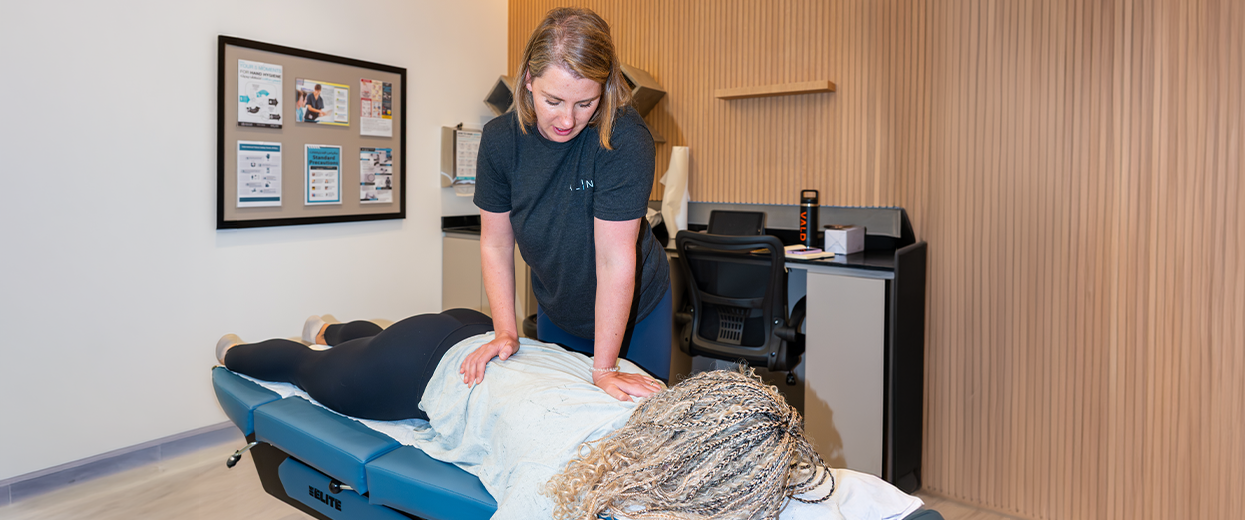
Hands-on techniques including joint mobilisation, spinal manipulation, and soft tissue work can provide meaningful pain relief and restore movement in both acute and chronic lower back presentations. Manual therapy is most effective when combined with active rehabilitation rather than used in isolation.
Exercise Rehabilitation
Targeted exercise is the cornerstone of physiotherapy for lower back pain. A rehabilitation programme addresses the specific deficits identified during assessment, typically including exercises for deep stabilising muscles of the spine, hip and gluteal strengthening, mobility work, and progressive loading to build resilience and tolerance.
Education and Self-Management
One of the most important things a physiotherapist does for a patient with lower back pain is help them understand their condition. Pain education, activity guidance, postural advice, and ergonomic recommendations all contribute to long-term recovery and reduce the risk of recurrence.
Dry Needling
For patients with significant muscle guarding or trigger point activity contributing to their lower back pain, dry needling can be an effective adjunct to physiotherapy, reducing muscle tension and improving the responsiveness of the tissue to rehabilitation exercises.
Acute Versus Chronic Lower Back Pain
The approach to physiotherapy differs depending on whether lower back pain is acute or chronic.
Acute lower back pain, typically defined as pain lasting fewer than six weeks, is often associated with a specific incident or identifiable trigger. The focus of physiotherapy in the early stages is on pain management, maintaining movement, and preventing the development of fear-avoidance behaviours that can contribute to chronicity.
Chronic lower back pain, lasting more than three months, often involves a more complex interplay of physical, psychological, and social factors. Physiotherapy in this context takes a more comprehensive approach, addressing not only the physical contributors but also the beliefs, behaviours, and lifestyle factors that sustain the condition.
Lower Back Pain and Lifestyle in Abu Dhabi
Several features of daily life in Abu Dhabi are relevant to the prevalence of lower back pain. Extended periods of sitting, whether in an office, a car, or at home, reduce the activity of the deep stabilising muscles of the lumbar spine and increase compressive load on spinal discs. The heat also means that outdoor activity is often compressed into early morning or evening windows, which can lead to irregular training patterns and increased session intensity that elevates injury risk.
For those who are active in the CrossFit, padel, cycling, or triathlon communities, lower back pain is a frequent training-related complaint. A sports physiotherapist can help identify the specific training factors contributing to the problem and modify the programme accordingly while maintaining overall fitness.
When Should You Seek Physiotherapy for Lower Back Pain?
You should consider seeking physiotherapy treatment for back pain in Abu Dhabi if:
- Pain is limiting your daily activities or your ability to work
- Pain has persisted for more than two to three days without improvement
- You are experiencing pain that radiates into the buttock or leg
- You are unsure of the cause of your pain or whether it is safe to continue exercising
- You have had recurrent episodes of lower back pain and want to address the underlying cause
If you experience severe pain, loss of bladder or bowel function, or significant weakness in the legs, you should seek urgent medical assessment rather than physiotherapy as a first step.
Lower Back Pain Physiotherapy at Align Health
At Align Health, our physiotherapy team provides comprehensive assessment and management for lower back pain across our Abu Dhabi clinics. Our clinicians take an evidence-based approach, combining manual therapy, targeted exercise rehabilitation, and education to deliver lasting results.
If you are looking for physiotherapy in Abu Dhabi for lower back pain, our team is ready to help. Book your appointment at alignhealth.ae.
Frequently Asked Questions
Should I rest or stay active when I have lower back pain?
In most cases, staying as active as possible within pain limits is recommended. Complete bed rest is not advised for the majority of lower back pain presentations, as it can delay recovery and increase the risk of the pain becoming chronic. Your physiotherapist will guide you on what activities are appropriate at each stage.
How long does physiotherapy for lower back pain take?
For an acute episode of lower back pain, significant improvement is often achieved within four to eight sessions. Chronic or complex presentations may require a longer programme. Your physiotherapist will set realistic expectations at your first appointment based on your specific situation.
Can physiotherapy help with sciatica?
Yes. Physiotherapy is a primary treatment approach for sciatica. Depending on the cause and severity of nerve irritation, treatment may include manual therapy, specific nerve mobilisation techniques, exercise rehabilitation, and postural correction.
Will I need an MRI before starting physiotherapy?
In most cases, no. Physiotherapy assessment can identify the likely source and nature of lower back pain without imaging. In cases where imaging is warranted, your physiotherapist will refer you appropriately.
Can I prevent lower back pain from recurring?
Yes. A targeted rehabilitation programme that addresses strength, mobility, and movement patterns significantly reduces the risk of recurrence. Your physiotherapist will guide you through exercises designed to maintain the progress made during your treatment.
Blog written by Fernando Tassi Salati, Physiotherapist.