
Physiotherapy for knee pain in Abu Dhabi is a non-surgical treatment approach designed to reduce pain, improve mobility, strengthen the muscles around the knee, and support long-term joint function. The treatment may include hands-on therapy, targeted strengthening exercises, mobility training, and movement correction based on the cause of your symptoms.
At Align Health’s Abu Dhabi clinics, knee pain rehabilitation programmes are tailored around your physical assessment, activity level, and recovery goals.
What Conditions Does Knee Pain Physiotherapy Treat?
Knee rehabilitation can support a wide range of knee-related conditions affecting movement, walking, exercise, and daily activities. Your physiotherapist will assess your symptoms and identify the most appropriate treatment pathway.
- Patellofemoral pain syndrome – pain around or behind the kneecap
- Knee stiffness – reduced flexibility and difficulty bending or straightening the knee
- Ligament injuries – including ACL, MCL, and other knee ligament strains
- Meniscus-related pain – discomfort, clicking, or locking sensations within the knee joint
- Tendon pain – including patellar tendon irritation from sport or overuse
- Runner’s knee – knee pain associated with running, jumping, or repetitive movement
- Arthritic knee pain – stiffness and discomfort linked to joint degeneration
- Sports-related knee injuries – common in football, running, gym training, and racquet sports
- Post-surgery rehabilitation – recovery after knee surgery or arthroscopy
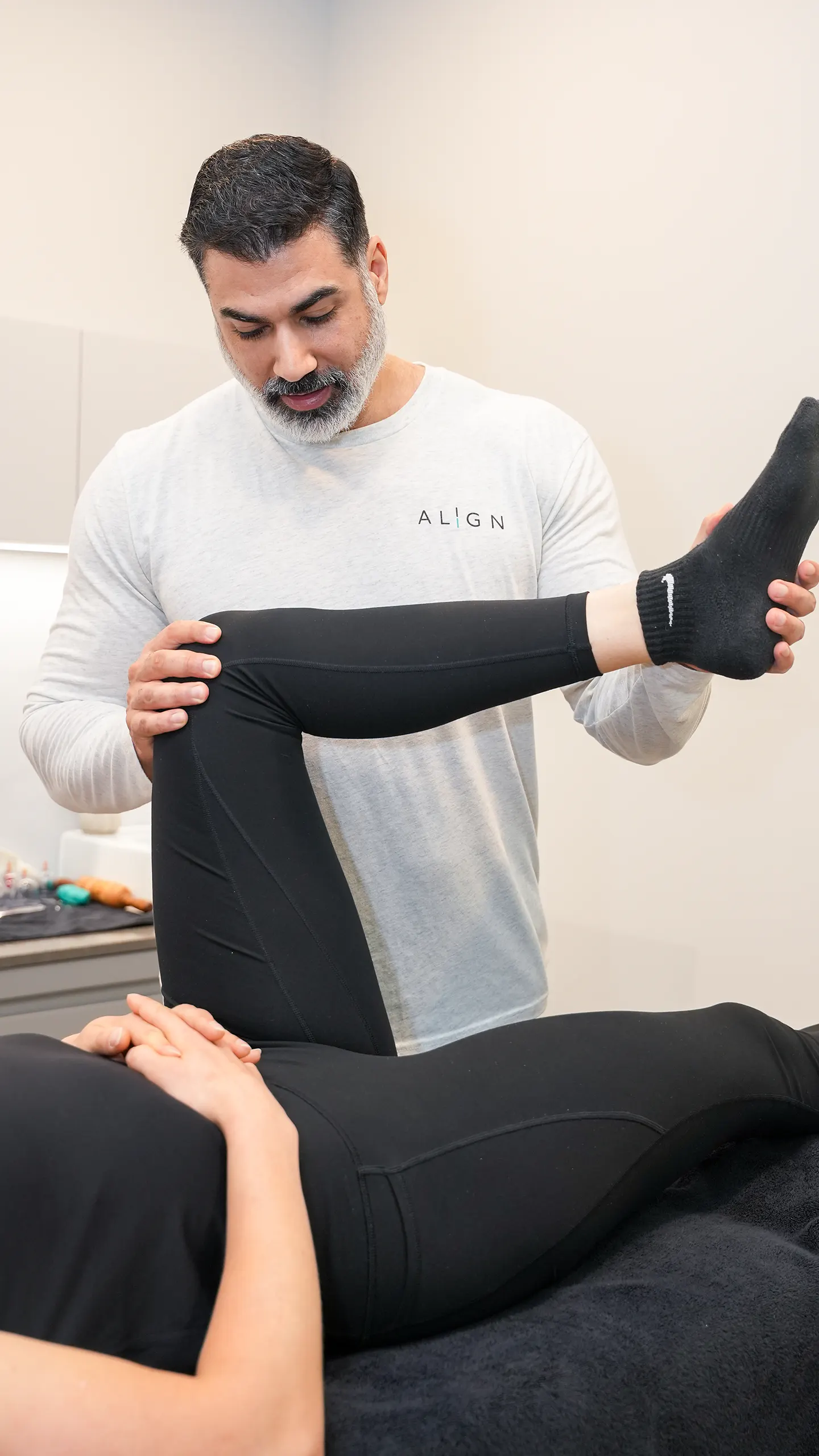
How Does Knee Pain Physiotherapy Work?
Your first physical therapy session begins with a detailed movement assessment. Your physiotherapist will evaluate knee range of motion, strength, walking mechanics, balance, swelling, and movement patterns before creating a personalised treatment plan.
| Technique | What it does |
|---|---|
| Manual therapy | Helps reduce stiffness and improve knee joint mobility |
| Therapeutic exercise | Focuses on restoring movement and flexibility within the joint |
| Mobility training | Improves walking, stair climbing, squatting, and daily movement |
| Dry needling | It may help release tight muscles contributing to knee pain |
| Sports rehabilitation | Supports safe return to running, gym training, and sport |
Treatment frequency depends on the severity and duration of your symptoms. Acute knee pain may improve within a few sessions, while long-term knee stiffness, post-surgical recovery, or sports injuries often require a structured rehabilitation programme over several weeks.
Signs You May Need Knee Pain Physiotherapy
Knee pain is common, but ongoing symptoms should not be ignored if they affect movement, exercise, or daily function. You may benefit from physiotherapy if you are experiencing:
- Knee pain lasting more than two weeks
- Difficulty bending or straightening the knee fully
- Swelling or stiffness around the knee joint
- Pain during walking, climbing stairs, or squatting
- Knee weakness or instability during movement
- Clicking, locking, or catching sensations
- Pain during running, gym training, or sports
- Reduced confidence putting weight through the knee
- Ongoing discomfort after a sports injury or fall
Your physiotherapist will assess whether your symptoms can be managed conservatively with rehabilitation or whether additional medical investigation may be required.
When to Seek Urgent Medical Attention
You need to rush to emergency care to get urgent medical attention if:
- Your knee joint is bent or deformed.
- There was a "popping" sound at the time of injury.
- Your knee can't bear weight.
- You have intense pain.
- Your knee swelled suddenly.
Who Is the Treatment For?
Physiotherapy for knee pain at Align Health may be suitable for a wide range of patients depending on the cause of symptoms and physical assessment findings.
- Office workers with reduced mobility and stiffness from inactivity
- Runners and athletes with training-related knee pain may also benefit from sports massage to support recovery and reduce muscle tension.
- Gym-goers experiencing pain during squats, lunges, or leg training
- Older adults with stiffness and age-related joint discomfort may also benefit from back pain physiotherapy if symptoms involve the lower back or spine.
- Post-surgery patients requiring guided knee rehabilitation
- People recovering from ligament or meniscus injuries
- Anyone with knee pain affecting daily movement, work, or exercise
Clinical evidence suggests exercise-based physiotherapy programmes may help improve function and reduce disability associated with chronic lower back pain.
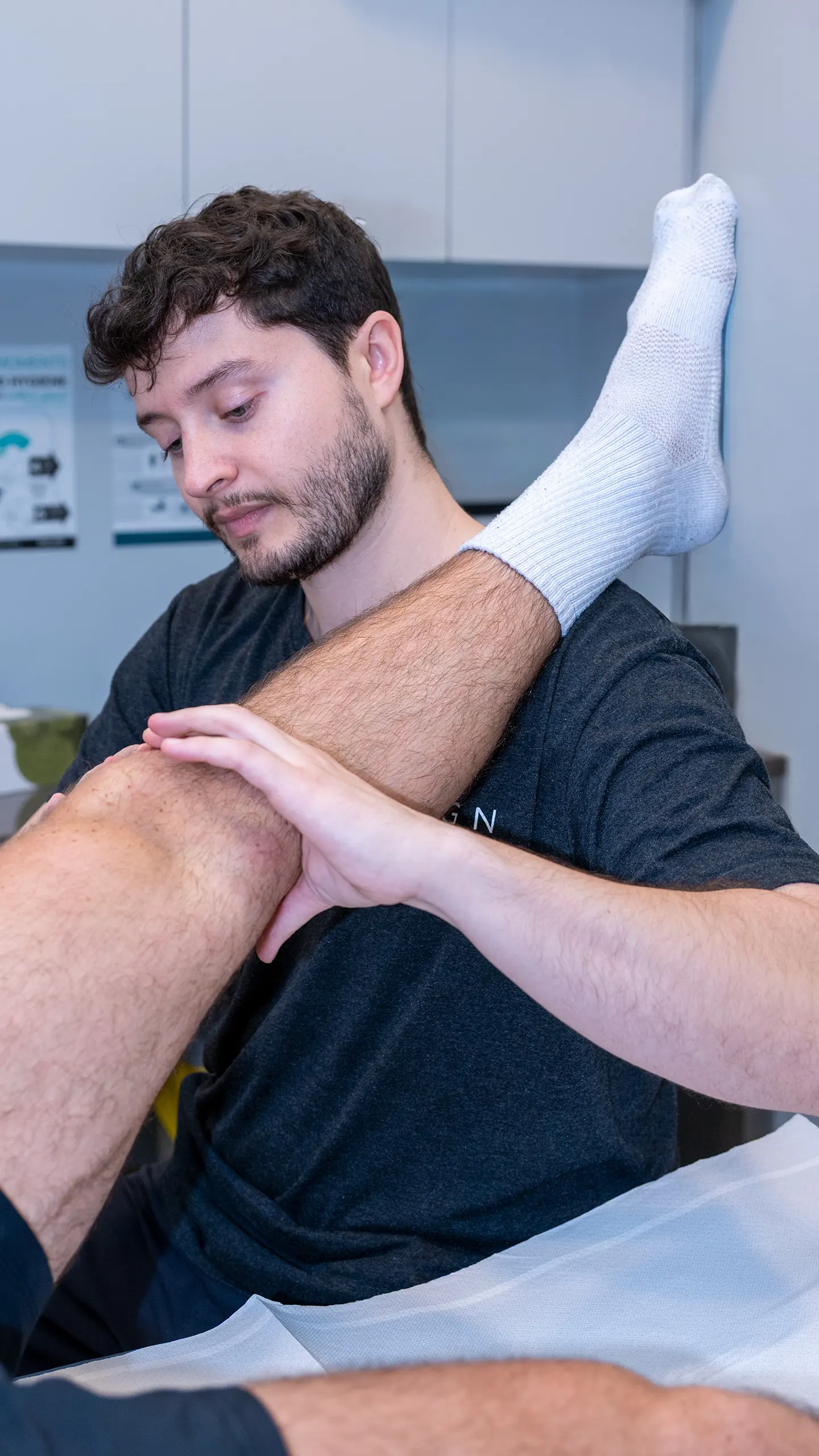
Benefits of the Treatment
The physiotherapy treatment may help to:
- Reduce knee pain and stiffness
- Improve joint mobility and flexibility
- Strengthen the muscles supporting the knee
- Improve walking, balance, and movement confidence
- Support recovery after sports injuries or surgery
- Reduce strain during running, training, and daily activities
- Improve knee stability and movement control
- Lower the risk of recurring knee problems
Why choose Align Health?
- DOH-licensed physiotherapists experienced in musculoskeletal rehabilitation
- Personalised knee rehabilitation programmes based on your assessment findings
- Support for acute, chronic, and sports-related knee conditions
- Exercise-based rehabilitation plans designed around your recovery goals
- Clinic locations in Abu Dhabi including Saadiyat Island and Al Zeina
- Structured recovery programmes for movement, strength, and long-term knee function
Individual Results May Vary
Physiotherapy treatment results vary significantly from person to person based on numerous factors:
- The nature and severity of your condition
- Your age, overall health, and medical history
- How long have you had the condition
- Your adherence to the treatment plan and home exercises
- Lifestyle factors and activity levels
- Individual biological and physiological differences
FAQs
If your knee pain lasts more than two weeks, affects walking or exercise, causes swelling or stiffness, or limits movement, a physiotherapy assessment is recommended. A physiotherapist can assess the source of pain and determine whether rehabilitation may help improve your symptoms and function.