
Tips to Recover After Childbirth: A Gentle Guide for New Mothers
Welcoming a baby into the world is one of life’s most beautiful experiences. Yet, it’s also one of the most physically and emotionally demanding. As the excitement settles and the reality of caring for a newborn begins, many mothers are surprised by how challenging postpartum recovery can be. Understanding what your body goes through after delivery and learning how to care for yourself during this period is essential for long-term health and well-being. Whether you’re in your first week of recovery or navigating the months that follow, knowing where to start makes all the difference. For professional support, specialized childbirth recovery in Abu Dhabi programs can guide you through this journey safely and effectively.
What Does Postpartum Mean?
The term postpartum refers to the period following childbirth, typically the first six weeks after delivery, but in reality, recovery can take much longer. It’s a time when your body begins to heal and adjust from pregnancy and birth. Hormones start to shift, tissues repair, and your uterus gradually returns to its pre-pregnancy size.
But postpartum is not just about physical recovery. It’s also an emotional transition. New mothers often experience mood swings, fatigue, and in some cases, feelings of anxiety or sadness known as “baby blues.” These emotional changes are completely normal and part of the body’s way of readjusting to a new rhythm of life.
The postpartum period is often described as the fourth trimester, a continuation of pregnancy in many ways because your body still needs as much care and attention as it did before the baby was born.
Phases of Postpartum
Postpartum recovery unfolds in phases, each bringing its own physical and emotional milestones. Understanding these stages can help mothers set realistic expectations and give themselves the compassion and patience they deserve.
- The Acute Phase (First 24 Hours):
Immediately after delivery, your body begins the process of healing. The uterus contracts to control bleeding, and the body starts to shed fluids retained during pregnancy. Rest and hydration are key during this stage. - The Subacute Phase (2–6 Weeks):
This is when most physical healing takes place. Whether you’ve had a vaginal delivery or a C-section, your body works hard to repair tissue and rebuild strength. You may experience soreness, pelvic discomfort, or fatigue. Gentle movements and breathing exercises can aid recovery during this time. - The Long-Term Recovery Phase (6 Weeks to 6 Months or More):
True postpartum recovery doesn’t end after six weeks. It can take several months for the body to fully regain strength, especially for muscles in the pelvic floor and abdomen. This is where childbirth physiotherapy plays an important role, helping mothers safely rebuild muscle tone, improve posture, and prevent long-term complications like pelvic pain or incontinence
Understanding Postpartum Recovery
Every woman’s postpartum experience is unique. Recovery depends on many factors, including the type of delivery, overall health, and support system.
Postpartum recovery is more than just “bouncing back.” It’s about rebuilding your physical and emotional foundation. Sleep deprivation, hormonal changes, and constant caregiving can make this phase feel overwhelming. That’s why it’s crucial to view recovery as a process that deserves time, care, and attention.
Professional care can make a big difference. Clinics like ALIGN Health emphasize a holistic approach to postpartum wellness, offering physiotherapy, nutritional guidance, and emotional support designed specifically for new mothers.
Tips to Recover After Childbirth
Below are simple, effective, and realistic tips to help you recover after childbirth while caring for your new baby.
1. Prioritize Rest
Your body needs rest to heal. Try to nap when your baby sleeps and avoid overexerting yourself. Fatigue is normal, but pushing through it can slow recovery. Even short rest periods can make a significant difference in your energy and mood.
2. Nourish Your Body
A balanced diet rich in protein, fibre, and iron can support healing and maintain your energy levels. Hydration is equally important, especially if you’re breastfeeding. Warm soups, fruits, vegetables, and whole grains can help you feel stronger and more nourished.
3. Move Gently
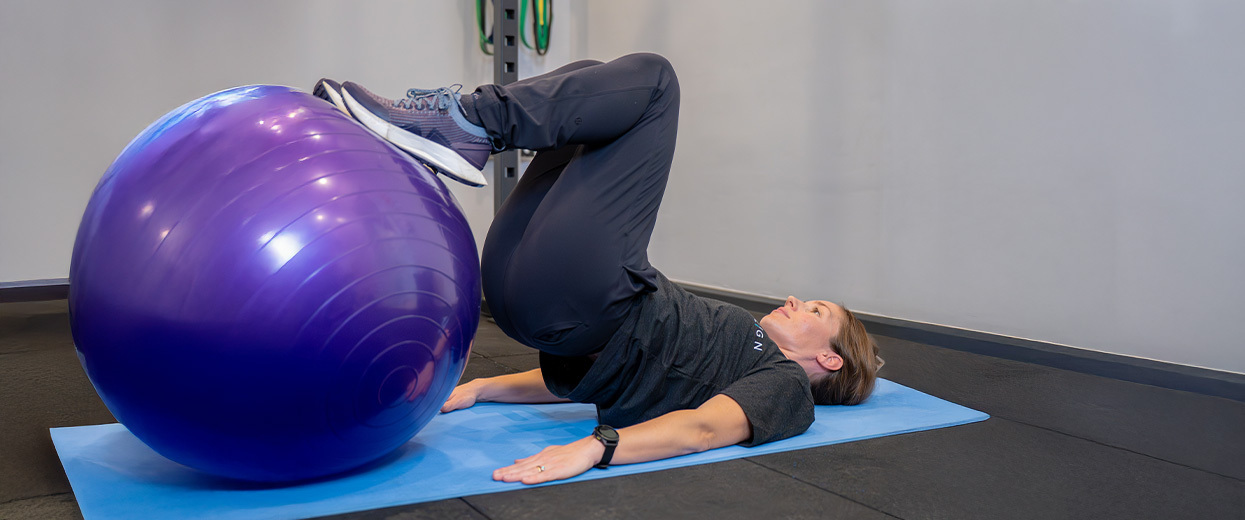
Movement can help improve circulation, boost mood, and ease muscle stiffness. Start with light stretches or short walks once your doctor approves. This is also the ideal time to explore childbirth physiotherapy, which focuses on safe exercises to strengthen core and pelvic muscles. Physiotherapists tailor each session to your needs, helping restore strength and confidence in your body.
4. Take Care of Your Pelvic Floor
Pregnancy and delivery put a lot of strain on the pelvic floor muscles. Weakness in these muscles can lead to issues like back pain, poor posture, or bladder control problems. Childbirth physiotherapy is especially beneficial here; it teaches you how to activate and strengthen these muscles safely.
5. Support Your Emotional Health
Hormonal changes, exhaustion, and new responsibilities can make you feel emotional. Talking openly about how you feel is essential. Share your thoughts with loved ones or seek professional support if sadness or anxiety persists. Emotional recovery is just as important as physical healing.
6. Maintain Good Posture
Many new mothers experience neck, shoulder, and back pain from nursing or holding their babies. Practicing good posture helps reduce strain. Keep your back straight, shoulders relaxed, and avoid slouching during feeding or lifting. A physiotherapist can teach you posture-friendly movements to protect your spine.
7. Don’t Rush the Process
Social media often glorifies “bouncing back” after birth, but real recovery takes time. Be kind to yourself. Focus on small daily improvements rather than expecting instant results. Your body deserves patience and care after all it has accomplished.
8. Seek Professional Help When Needed
Sometimes, despite doing everything right, recovery feels slow. If you notice persistent pain, swelling, or emotional distress, don’t ignore it. A specialist at ALIGN Health or similar wellness centers can assess your condition and guide you toward safe recovery options.
The Role of Childbirth Physiotherapy
Childbirth physiotherapy is one of the most effective and natural ways to support postpartum recovery. It helps restore core strength, improve mobility, and reduce pain in the back, hips, or pelvic region. Physiotherapists use gentle, targeted exercises to enhance muscle function and promote healing, all while ensuring you move safely.
At ALIGN Health, childbirth physiotherapy sessions are designed to help mothers reconnect with their bodies. Through one-on-one sessions, mothers learn techniques to improve pelvic stability, posture, and overall comfort, allowing them to return to daily activities and enjoy time with their newborns with confidence.
A Gentle Reminder
Recovery after childbirth is not a race. It’s a deeply personal journey that combines physical healing with emotional growth. Surround yourself with supportive people, listen to your body, and seek professional help when needed. Every step you take, no matter how small, is a step toward renewed strength and well-being.
This article is for informational purposes only and does not substitute professional medical advice. Every mother’s recovery is unique, and it’s important to consult your healthcare provider before starting any exercise, treatment, or physiotherapy program.