
Understanding Hot and Cold Therapy: How It Works and Who It’s For
Recovery has become one of the most discussed topics in sports performance and general wellness. As understanding of how the body adapts to physical stress has grown, so has interest in structured recovery methods that go beyond rest and nutrition. Hot and cold therapy, also known as contrast therapy, sits at the centre of this conversation.
Available at Align Health in Abu Dhabi, our Recovery Suite offers contrast therapy as a dedicated service for athletes, active individuals, and anyone looking to support their physical wellbeing in a structured clinical environment. This guide explains what contrast therapy is, how it works, and who it is best suited for. However, the information in this article is for educational purposes only. It is not intended as a substitute for professional medical advice, diagnosis, or treatment. Always speak with your doctor or another qualified healthcare provider about any questions you may have regarding a medical condition. Never disregard professional medical advice or delay seeking it because of something you have read here.
What Is Hot and Cold Therapy?
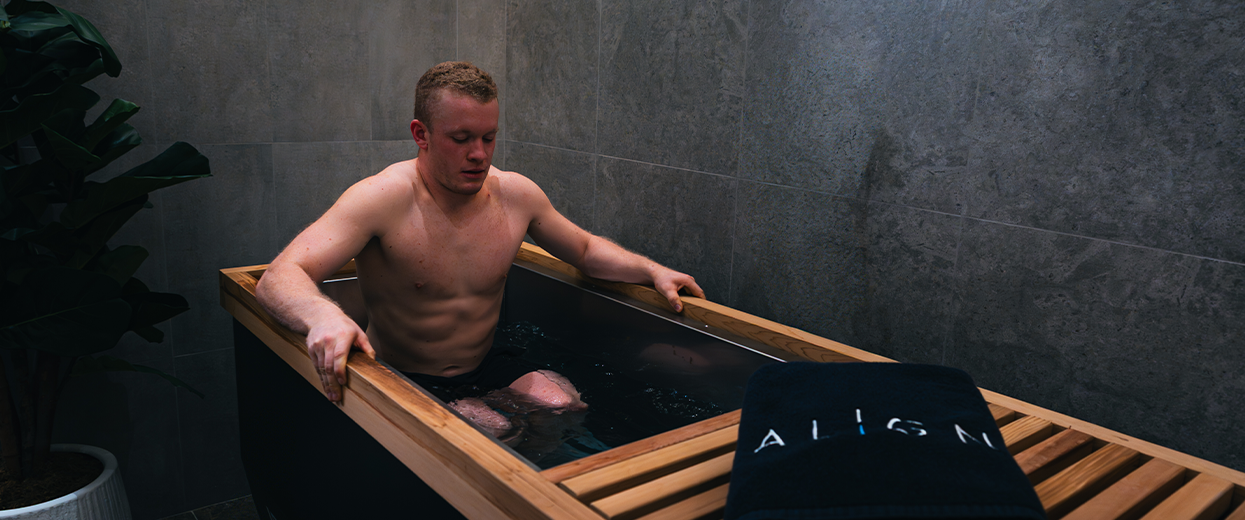
Hot and cold therapy, or contrast therapy, involves alternating between heat exposure and cold exposure in a deliberate, structured sequence. Typically, this means moving between a sauna or hot environment and a cold plunge or ice bath.
The alternating temperature exposure creates a series of physiological responses in the body. Heat causes vasodilation, widening the blood vessels and increasing blood flow to muscles and soft tissue. Cold causes vasoconstriction, narrowing the vessels and reducing blood flow. Cycling between the two creates a pumping effect on circulation, sometimes described as a vascular workout.
According to research published in the National Institutes of Health, contrast water therapy has been shown to reduce perceived muscle soreness and accelerate recovery markers compared to passive rest. This mechanism is believed to support the clearance of metabolic waste products from muscle tissue, reduce inflammation, and accelerate the recovery process following physical activity.
What Are the Key Benefits?
Reduced Muscle Soreness
Delayed onset muscle soreness (DOMS) is the discomfort experienced in the days following intensive exercise. Contrast therapy has been shown in research to reduce the severity and duration of DOMS, helping athletes return to training sooner and with less physical limitation.
Improved Circulation
The repeated vasodilation and vasoconstriction cycle promotes efficient circulation. This has benefits not only for exercise recovery but also for general cardiovascular function and tissue health.
Reduced Inflammation and Swelling
Cold exposure is well established for its anti-inflammatory effects. When applied in a structured protocol alongside heat, the contrast accelerates the reduction of localised inflammation, which is particularly useful for athletes managing chronic joint load or minor soft tissue irritation.
Mental Clarity and Stress Reduction
Both sauna and cold immersion have independent effects on the nervous system. Heat exposure promotes relaxation through the activation of the parasympathetic nervous system, while cold exposure triggers an adrenaline response followed by a period of heightened alertness. Many people report improved mood, focus, and reduced anxiety following a contrast therapy session.
Sleep Quality
Regular sauna use has been associated with improved sleep quality in several studies, attributed to the drop in core body temperature that follows heat exposure. Combined with the hormonal and nervous system effects of cold immersion, contrast therapy may support better sleep patterns over time.
How Does a Contrast Therapy Session Work?
A standard contrast therapy session follows a structured protocol of alternating between hot and cold environments. A typical sequence might involve spending ten to fifteen minutes in a sauna at high temperature, followed by two to three minutes in a cold plunge, then returning to heat. This cycle is typically repeated two to three times within a single session.
The exact protocol can be adjusted based on individual tolerance, goals, and physical condition. At Align Health, sessions are designed and supervised within a clinical environment, ensuring the experience is both safe and effective.
It is worth noting that contrast therapy is a recovery and wellness tool, not a replacement for medical treatment. Individuals with cardiovascular conditions, hypertension, pregnancy, or certain skin conditions should consult a healthcare professional before using contrast therapy.
Who Is Hot and Cold Therapy For?
Athletes and Active Individuals
This is the primary use case for contrast therapy. Whether you compete professionally or train recreationally, contrast therapy can support faster recovery between sessions, reduce the physical cost of high training loads, and help manage the cumulative impact of sport on joints and soft tissue.
People with Physically Demanding Jobs
Construction workers, healthcare professionals, and others who spend long hours on their feet or performing physical tasks can benefit from contrast therapy in the same way athletes do. Physical stress from work is no different to physical stress from sport in how it affects the body.
Individuals Managing Chronic Muscle Tension
For people who carry persistent tension in the neck, shoulders, or lower back, the combination of heat relaxation and cold reduction of inflammation can provide meaningful relief, particularly when used consistently.
Those Seeking General Wellness Support
You do not need to be an athlete or in pain to benefit from contrast therapy. Many people use it as a regular wellness practice for its effects on mood, stress, and energy levels.
Hot and Cold Therapy at Align Health Abu Dhabi
Looking to experience hot and cold therapy in Abu Dhabi? Align Health’s Recovery Suite is available across our clinics in Abu Dhabi. Our team can advise on the most appropriate protocol for your goals and help you integrate contrast therapy into your existing training or wellness routine.
To book a session at our recovery suite or to speak to our team about whether contrast therapy is right for you, visit alignhealth.ae.
Frequently Asked Questions
Is hot and cold therapy safe for everyone?
Contrast therapy is safe for most healthy adults. However, individuals with cardiovascular disease, high blood pressure, Raynaud’s disease, pregnancy, or certain skin conditions should consult a doctor before starting. Our team will discuss any relevant health considerations during your initial booking.
How often should I do contrast therapy?
For athletic recovery, one to three sessions per week is a commonly recommended frequency. For general wellness purposes, once or twice per week is typically sufficient. Your experienced physiotherapist in Abu Dhabi or recovery specialist can advise based on your specific goals and training volume.
How is this different from just having a cold shower after training?
The key difference lies in the structured alternation and the temperature extremes involved. A cold shower provides some benefit, but a true contrast therapy protocol involves sustained heat exposure at higher temperatures and colder immersion temperatures than a typical shower can achieve. The clinical environment also allows for proper guidance and protocol management.
Can I do contrast therapy if I am injured?
This depends on the nature of the injury. In some cases, contrast therapy may be beneficial as part of a recovery plan. In others, particularly where there is acute injury or open wounds, it would not be appropriate. We recommend speaking to one of our physiotherapists before using the recovery suite if you are managing an active injury.
What should I bring or wear for a contrast therapy session?
Comfortable swimwear is suitable for most contrast therapy protocols. We recommend bringing a towel and staying well hydrated before, during, and after your session.
Blog written by Fernando Tassi Salati, Physiotherapist.