
How Often Should You Get Cupping Therapy? Expert Tips for Lasting Results
Cupping therapy has become a popular choice for people looking to manage pain, reduce muscle tension, and support recovery in a natural way. Athletes, desk workers, and people dealing with long-term discomfort often ask the same question: how often should you get cupping therapy to see real, lasting results?
In the first few sessions, many people notice changes in how their body feels, especially when cupping is used for muscle recovery after workouts or long hours of physical strain. But frequency matters. Too little may slow progress, while too much can overwhelm the body.
This guide breaks down how often the best cupping therapy treatment in Abu Dhabi is typically recommended, what affects your personal schedule, and how to get the best results safely and effectively.
This blog is for general educational purposes only and does not replace professional medical advice, diagnosis, or treatment. Cupping therapy may not be suitable for everyone. Always consult a qualified healthcare or therapy professional before starting or adjusting any treatment plan.
What Is Cupping Therapy and Why Frequency Matters
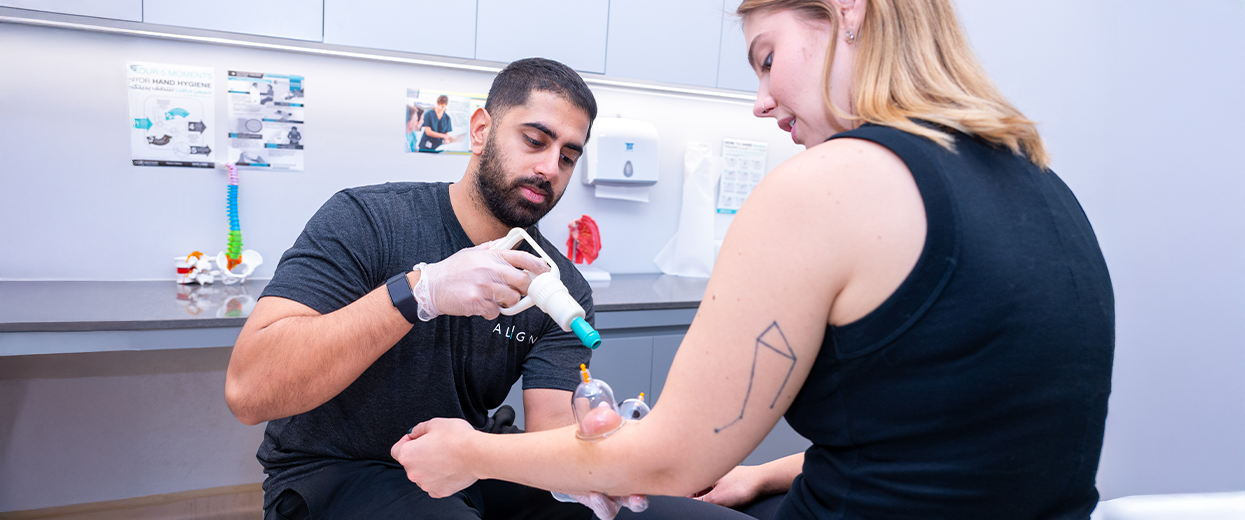
Cupping therapy is a treatment where cups are placed on the skin to create gentle suction. This suction helps increase blood flow, release tight tissue, and support the body’s natural healing process.
The reason frequency matters is simple. Cupping works by stimulating the body. That stimulation needs time to settle, repair, and respond. When sessions are spaced correctly, the body adapts and improves. When sessions are rushed, results may be limited or short-lived.
This is why experienced practitioners often say that the best cupping therapy plan is not about doing more sessions, but about doing them at the right time.
How Often Is Cupping Therapy Usually Recommended?
There is no single schedule that fits everyone. However, most professionals follow general guidelines based on goals, condition, and how the body responds.
For General Wellness and Stress Relief
If you are using cupping therapy for relaxation, stress reduction, or overall wellness, most people benefit from:
- Once every 3 to 4 weeks
This spacing allows the body to reset and maintain balance. It is often enough to keep muscles relaxed and circulation active without overstimulation.
For Muscle Recovery and Physical Strain
For people dealing with muscle tightness, sports recovery, or physical jobs, cupping therapy is often used more frequently at first.
A common schedule includes:
- Once a week for 3 to 4 weeks
- Then reducing to once every 2 to 4 weeks for maintenance
This approach is often considered part of the best cupping therapy routines for athletes and active individuals, as it supports recovery while giving muscles time to heal between sessions.
For Chronic Pain or Long-Term Conditions
People with ongoing pain, stiffness, or mobility issues may need a more structured approach.
Typical recommendations include:
- 1 to 2 sessions per week for the first few weeks
- Followed by reassessment and spacing sessions further apart
These schedules are general guidelines and should be adjusted based on individual assessment and professional recommendation.
How Your Body Reacts After Cupping Therapy
Understanding how your body responds can help you decide the right frequency.
After cupping, you may experience:
- Temporary soreness
- Mild fatigue
- Circular marks that fade over a few days
These are normal signs that the body is responding. Most people need at least 48 to 72 hours between sessions to allow tissues to recover. This recovery window is why daily cupping is usually not recommended.
Listening to your body is a big part of receiving the best cupping therapy results. If you feel drained or overly sore, spacing sessions further apart is often the smarter choice.
Factors That Affect How Often You Should Get Cupping Therapy
Several personal factors influence how frequently cupping therapy should be done.
1. Your Health Goal
Someone using cupping for relaxation will not need the same schedule as someone rehabbing an injury. Clear goals lead to better planning.
2. Your Age and Overall Health
Younger, active individuals may recover faster between sessions. Older adults or those with medical conditions may need more time between treatments.
3. Intensity of the Session
Light cupping sessions can often be done more frequently. Strong suction or longer sessions usually require more recovery time.
4. Lifestyle and Activity Level
High levels of physical activity may justify more frequent sessions, especially during intense training periods.
A qualified practitioner will adjust frequency based on these factors to deliver the best cupping therapy experience for your body.
Can You Get Cupping Therapy Too Often?
Yes. More is not always better.
Overdoing cupping therapy may lead to:
- Increased soreness
- Skin sensitivity
- Fatigue
- Reduced effectiveness over time
Cupping works best when the body has time to respond and rebuild. This is why spacing sessions correctly is a core principle of the best cupping therapy practices used by experienced professionals.
How Long Before You See Lasting Results?
Some people feel immediate relief after the first session. However, lasting results usually take time.
In most cases:
- Short-term relief may appear after 1 to 2 sessions
- Noticeable improvement often happens after 3 to 5 sessions
- Long-term results usually develop over 4 to 8 weeks, depending on frequency and condition
Consistency, not intensity, is what leads to lasting change.
Cupping Therapy as Part of a Long-Term Plan
Cupping therapy works best when it is part of a broader wellness or recovery plan. This may include:
- Stretching and movement
- Hydration
- Proper rest
- Other therapeutic approaches
When cupping is used strategically, many people find it supports mobility, comfort, and performance over time. This balanced approach is often what defines the best cupping therapy programs in clinical and wellness settings.
When Should You Avoid or Delay Cupping Therapy?
There are times when cupping therapy should be postponed or avoided.
These include:
- Open wounds or skin infections
- Active inflammation or fever
- Certain medical conditions without medical approval
If you are unsure, it is always better to ask a qualified healthcare professional before starting or continuing treatment.
Expert Tips for Getting the Best Results
To get the most from cupping therapy, keep these tips in mind:
- Do not rush sessions too close together
- Stay hydrated before and after treatment
- Avoid intense exercise immediately after cupping
- Track how your body feels between sessions
- Follow professional advice rather than self-scheduling blindly
These simple steps help ensure you receive the best cupping therapy results without unnecessary discomfort.
Final Thoughts on Cupping Therapy Frequency
How often you should get cupping therapy depends on your goals, your body, and how you respond to treatment. While weekly sessions may help at the start, most people shift to less frequent visits as their condition improves.
The key is balance. Cupping therapy should support your body, not stress it. When done at the right intervals, it can be a valuable part of a long-term wellness or recovery plan.