
Heat Therapy for Muscle Pain: What It Does, When to Use It, and What to Expect
Muscle pain in the lower back, neck, and shoulders is among the most common reasons people seek physiotherapy in Abu Dhabi. Whether the pain has developed through prolonged desk work, physical training, or a combination of both, the question of when and how to apply heat therapy is one that comes up frequently in clinical practice.
Heat therapy, or thermotherapy, is a widely used conservative management tool for musculoskeletal pain. Understanding how it works, when it is appropriate, and what its limitations are helps people use it effectively as part of a broader recovery approach.
Align Health is a DOH-certified physiotherapy clinic in Abu Dhabi. The information in this blog is for educational purposes only and is not a substitute for professional medical advice, diagnosis, or treatment. Always consult a qualified healthcare provider regarding your specific condition.
How Heat Therapy Works
Heat applied to the skin and underlying tissue causes local vasodilation, increasing blood flow to the area. This increased circulation delivers oxygen and nutrients to muscle tissue while supporting the removal of metabolic waste products that accumulate during physical activity or sustained static posture.
Heat also reduces the sensitivity of pain receptors in the tissue, which can provide meaningful relief from muscle aching and stiffness. At the neuromuscular level, warmth reduces muscle spindle activity, which decreases the resting tone of the muscle and makes it more receptive to movement and stretching. This is why applying heat before mobility or stretching exercises often enhances their effectiveness.
Heat Therapy for Lower Back Pain
Lower back pain driven by muscle tension, postural strain, or stiffness is one of the most well-supported applications of heat therapy. For people who spend extended periods sitting at a desk, the deep muscles of the lumbar spine and surrounding hip flexors often hold significant tension that responds well to localised heat application.
Heat packs, hot water bottles, or heated back wraps applied to the lumbar region for fifteen to twenty minutes can reduce muscle guarding and improve the ease of movement, particularly when used before physiotherapy exercises or at the end of a long working day. Heat is most effective for chronic or subacute lower back pain rather than for acute injury where inflammation is the primary driver of symptoms.
It is important to note that heat is not appropriate in the early stages of an acute lower back injury where there is active inflammation, swelling, or suspected nerve involvement. In those cases, guidance from an experienced physiotherapist in Abu Dhabi should be sought before applying any thermal treatment.
Heat Therapy for Neck Pain
Neck pain arising from muscle tension, postural fatigue, or stress-related tightness in the upper trapezius and surrounding cervical muscles is a common presentation in clinic, particularly among office workers and those who spend significant time looking at screens.
Heat applied to the neck and upper shoulder region can reduce muscle stiffness and improve the range of cervical movement, making subsequent physiotherapy exercises more effective. A heat pack or heated towel applied for fifteen to twenty minutes to the back of the neck and upper shoulders is a practical approach that many patients incorporate into their daily routine alongside their rehabilitation programme.
For patients with neck pain that includes radiating symptoms into the arm or hand, or where nerve involvement is suspected, heat therapy should not be used as the primary management strategy without physiotherapy assessment first.
Heat Therapy for Shoulder Muscle Pain
Shoulder pain arising from muscle tension, rotator cuff fatigue, or postural overload of the shoulder girdle can respond well to heat therapy, particularly when the predominant symptom is a deep aching or stiffness rather than sharp pain or swelling.
Applying heat to the posterior shoulder and upper back muscles before shoulder mobility exercises can improve the ease of movement and reduce the perception of stiffness. For patients undergoing physiotherapy for shoulder pain, heat is often used as a preparatory tool before the exercise component of their session.
Heat is not appropriate for acute shoulder injuries, immediately following a traumatic incident, or in presentations involving significant swelling or suspected structural damage. A physiotherapy assessment will clarify whether heat is suitable for your specific shoulder presentation.
Heat Therapy Versus Cold Therapy: Understanding the Difference
A common source of confusion is when to use heat versus cold. The distinction is straightforward in most cases:
- Cold therapy (ice or cold packs) is most appropriate in the acute phase of an injury, within the first 24 to 72 hours, when there is active inflammation, swelling, or bruising. Cold reduces blood flow and numbs the area, helping to manage acute pain and limit tissue swelling.
- Heat therapy is most appropriate for chronic or subacute muscle pain, stiffness, and tension where inflammation is not the primary driver. Heat increases blood flow and relaxes muscle tissue, supporting recovery and mobility.
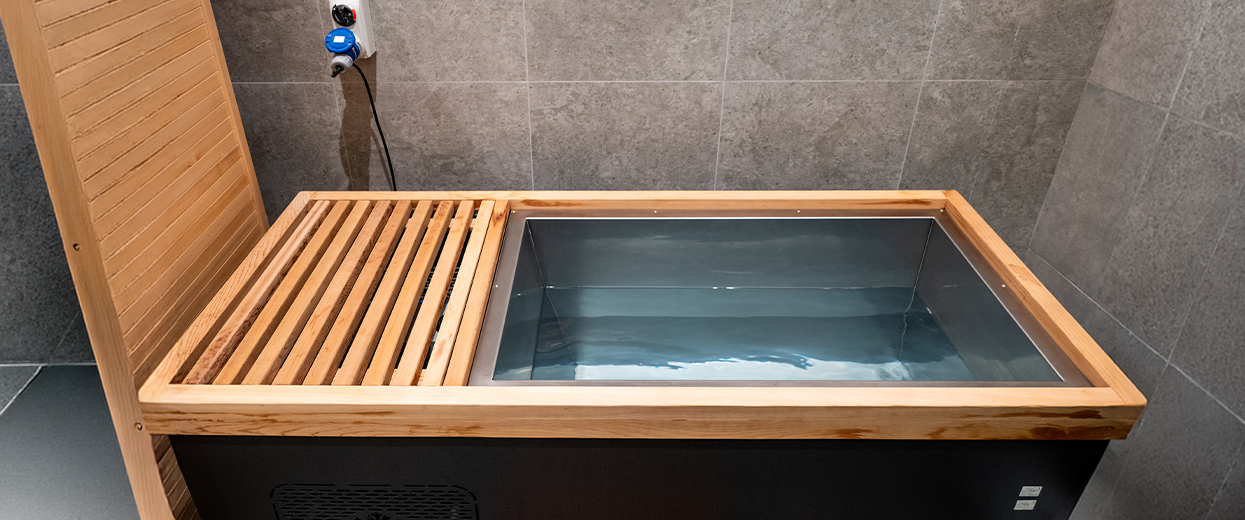
At Align Health, our Recovery Suite offers both sauna and cold plunge therapy as part of a structured contrast protocol, alternating between heat and cold to support circulation, muscle recovery, and reduction of delayed onset muscle soreness. This is a more advanced application of thermal therapy that goes beyond the simple home use of heat packs.
Practical Guidance for Using Heat Therapy at Home
If you are using heat therapy at home for lower back, neck, or shoulder muscle pain, the following guidelines apply:
- Use a heat pack, microwavable wheat bag, or electric heat pad rather than direct hot water bottles on bare skin
- Apply heat for fifteen to twenty minutes at a time, no longer
- Always place a cloth or thin towel between the heat source and your skin to avoid burns
- Do not fall asleep with a heat pack in place
- Do not apply heat over areas of broken skin, recent wounds, or where sensation is reduced
- Do not apply heat to acutely injured, swollen, or inflamed tissue
If heat consistently fails to provide relief, or if your symptoms are worsening, a physiotherapy assessment is the appropriate next step to identify the underlying cause of your pain.
When Heat Alone Is Not Enough
Heat therapy is a useful supportive tool but it does not address the underlying causes of muscle pain. Persistent tension in the lower back, neck, or shoulders is almost always driven by factors such as postural habits, muscle imbalances, movement patterns, and workload that heat alone cannot correct.
Physiotherapy provides a comprehensive assessment of these contributing factors and delivers a treatment plan that includes manual therapy, targeted exercise rehabilitation, and practical education to produce lasting improvement rather than temporary symptomatic relief.
Heat Therapy and Physiotherapy at Align Health
At Align Health, our physiotherapy team regularly integrates heat therapy guidance into patient rehabilitation programmes for lower back, neck, and shoulder presentations. Our Recovery Suite also provides structured contrast therapy combining sauna and cold plunge for those looking for a more comprehensive recovery solution.
If you are experiencing persistent muscle pain and are looking for a physio in Abu Dhabi who can provide a thorough assessment and a treatment plan that addresses the root cause, our team is ready to help. Book your appointment at
alignhealth.ae or call 02 585 8322 (Al Zeina) or 02 671 9103 (Saadiyat).
Frequently Asked Questions
Can I use heat therapy every day?
For chronic muscle tension and stiffness, daily use of heat therapy in Abu Dhabi for fifteen to twenty minutes is generally safe for most people. However, if you are applying heat daily and not seeing improvement in your symptoms over one to two weeks, a physiotherapy assessment is advisable to identify and address the underlying cause.
How long should I apply heat for?
Fifteen to twenty minutes per session is generally sufficient. Applying heat for longer than this does not significantly increase the therapeutic benefit and raises the risk of skin irritation or superficial burns, particularly with electric heat pads.
Can heat make inflammation worse?
Yes. Heat increases blood flow and vasodilation, which can worsen active inflammation and swelling. This is why heat is not recommended in the acute phase of an injury where inflammation is the primary driver of symptoms. If you are unsure whether your pain is inflammatory or muscular in nature, consult a physiotherapist before applying heat.
Is heat therapy the same as a sauna?
Sauna involves whole-body heat exposure at significantly higher temperatures than a local heat pack and produces systemic physiological effects including cardiovascular responses, hormonal changes, and whole-body muscle relaxation. A heat pack provides localised thermal therapy to a specific area. Both have valid applications but they are distinct in their mechanisms and effects.
Should I stretch before or after applying heat?
Stretching or performing mobility exercises after applying heat is generally more effective than before, as the muscle tissue is warmer and more pliable following heat application. Many physiotherapists recommend using a heat pack as a warm-up tool before the exercise component of a home rehabilitation programme.
Blog written by Fernando Tassi Salati, Physiotherapist.