
How Physiotherapy Supports Recovery for Lower Back Pain Due to a Tennis Game
If you play tennis regularly, you may have felt a dull ache or sharp discomfort in your lower back after a long match. It often starts as something small and easy to ignore, but with time, it can affect how you move, train, or even sit comfortably at work. Many players search for a trusted physiotherapy clinic in Abu Dhabi when this pain does not settle on its own.
Lower back pain linked to tennis is common and usually related to how the body moves during the game. Understanding why it happens and how physiotherapy for back pain may support recovery can help you make safer decisions about your health and activity levels.
Why Do Tennis Players Get Lower Back Pain?
Tennis places repeated stress on the lower back. The sport involves sudden twists, quick direction changes, and powerful serving movements. These actions load the spine and surrounding muscles again and again.
Common reasons tennis players may experience lower back pain include:
- Repetitive rotation during serves and groundstrokes
- Sudden acceleration and stopping, which strains the lower spine
- Uneven muscle strength, especially between the core, hips, and back
- Limited flexibility in the hips or hamstrings, increasing spinal stress
- Poor technique or posture during play
Over time, these factors may irritate muscles, joints, or soft tissues in the lower back. While the pain may feel similar between players, the underlying causes can differ from person to person.
How to Prevent Lower Back Pain Injuries in Tennis
Prevention plays an important role in long-term spinal health. While no method can eliminate risk completely, certain habits may reduce strain on the lower back.
Simple steps that are commonly recommended include:
- Warming up properly before playing to prepare muscles and joints
- Strengthening the core and hip muscles to support spinal movement
- Improving flexibility, especially in the hips, thighs, and lower back
- Using correct technique, particularly during serves and rotational shots
- Allowing adequate recovery time between matches or training sessions
If discomfort keeps returning, it may be a sign that the body needs professional assessment rather than continued self-management.
Physiotherapy Treatments for Lower Back Pain
Physiotherapy focuses on understanding how the body moves and how pain affects daily function. For tennis-related lower back discomfort, physiotherapy for back pain is commonly used to support recovery in a safe and structured way.
A physiotherapist may begin with a detailed assessment. This helps identify movement patterns, muscle imbalances, and areas of stiffness that may be contributing to pain.
Physiotherapy care for lower back pain often includes:
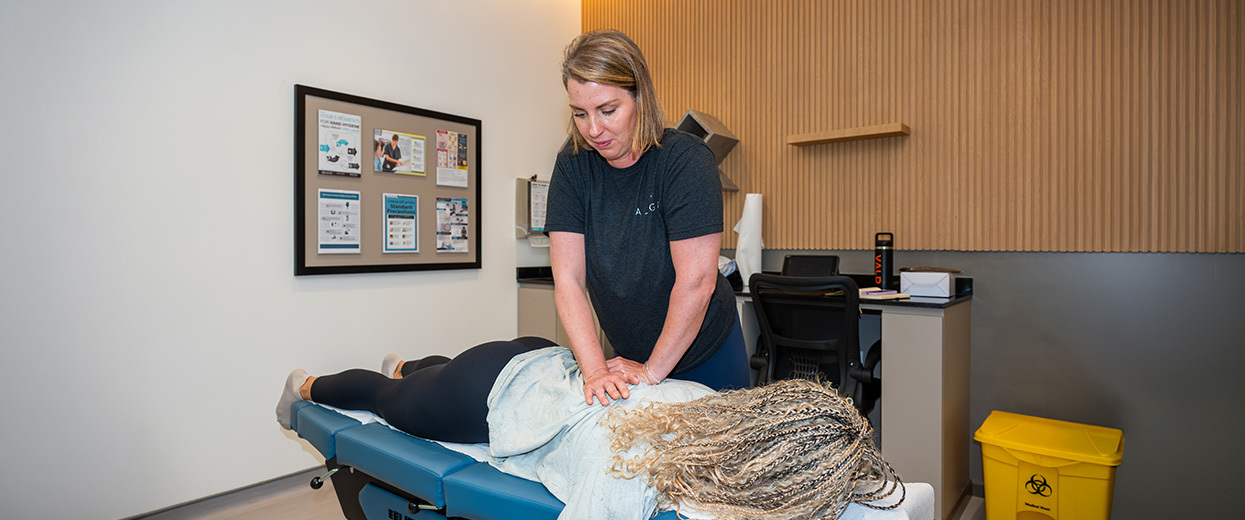
- Manual therapy, which may help ease muscle tension and joint stiffness
- Targeted exercises to improve strength, flexibility, and spinal support
- Movement retraining, focusing on safer ways to rotate and load the spine
- Postural guidance, both on and off the court
- Education, helping patients understand how to manage symptoms and reduce strain
These approaches are part of physiotherapy for sports-related back pain and are adapted based on individual needs. Progress and outcomes vary depending on factors such as fitness level, playing frequency, and medical history.
At ALIGN Health, care is delivered by DOH-licensed physiotherapists who focus on patient safety and evidence-based practice. Each treatment plan is developed after a professional assessment and adjusted as recovery progresses.
When to Seek Professional Support
Lower back pain that lasts more than a few days, keeps returning, or limits movement should not be ignored. Pain that worsens with activity or affects daily tasks is another reason to seek guidance.
Physiotherapy for back pain may be recommended when rest alone does not help or when returning to tennis feels uncomfortable or unsafe. Professional assessment ensures that care is appropriate for your condition and activity goals.
ALIGN Health provides physiotherapy care in a calm, supportive environment, with a focus on understanding the individual rather than treating symptoms alone. This patient-centred approach helps guide recovery while prioritising safety and long-term wellbeing.
Final Thought
Lower back pain from tennis can be frustrating, especially when it interferes with a sport you enjoy. While the causes are often linked to movement and muscle load, each person’s experience is different.
Physiotherapy for back pain may support recovery by improving strength, flexibility, and movement control under professional guidance. With proper assessment and care, many players are able to return to activity more comfortably and confidently.