
Physiotherapy for Good Posture: A Complete Guide
Posture issues don’t usually happen overnight. They build gradually through everyday habits like sitting, screen use, and limited movement. Over time, this may lead to slouched shoulders, neck stiffness, and back discomfort. If you have started noticing these changes, you are not alone. If these patterns start affecting your comfort or daily mobility, consulting a physio in Abu Dhabi can help identify the cause of the imbalance and how to correct it safely.
Good posture is not just about standing straight. It is about how your body aligns and moves throughout the day. This is where physiotherapy for good posture plays an important role in helping people safely and gradually improve movement patterns.
In this blog, we will help you understand the importance of good posture and how to maintain it. However, this content is for informational purposes only and does not replace professional medical advice, diagnosis, or treatment. Always consult a qualified physiotherapist for personalized care and guidance.
What is a Good Posture?
Good posture is how you hold your body. It allows even distribution of weight on both legs. It refers to the neutral alignment of the spine, which places minimal strain on joints, muscles, and ligaments.
Components of the correct posture:
- Head: Position the head so the ears align with the shoulders.
- Shoulders: Relax your shoulders without slouching.
- Spine: Maintain the natural curves of your spine.
- Hips: Keep the hips neutral without tilting them forward or backwards.
- Knees: Bend the knees slightly without locking them.
- Feet: Keep feet shoulder-width apart.
People have the misconception that good posture is important only in certain positions. But the truth is, you should maintain proper posture regardless of what you are doing. Whether you are standing, sitting, or lifting something off the floor, you must do it in an accurate posture to avoid injuring yourself.
Common Signs of Poor Posture
Poor posture often develops slowly, which is why many people do not notice it at first. However, there are some common signs to watch for:
- Rounded shoulders
- Forward head position
- Lower back discomfort after sitting
- Neck stiffness
- Feeling tired even with minimal activity
These signs may not always indicate a serious condition, but they can affect daily comfort and movement if left unaddressed.
Why Posture Issues Affect Daily Life?
Posture is closely linked to how your body functions throughout the day. When alignment is off, simple activities can feel more tiring.
For example:
- Sitting for long periods could lead to back or hip tightness
- Looking down at screens can strain the neck
- Standing incorrectly may affect balance and foot pressure
Over time, these patterns can make daily tasks less comfortable. This is why many people seek physiotherapy for posture correction to better understand how their bodies move and how to improve their posture.
How Can Physiotherapy for Posture Correction Help?
Physiotherapy for posture correction focuses on improving alignment, movement, and muscle balance. It is not about forcing the body into a rigid position, but rather helping it move in a more natural and supported way.
A physiotherapist uses a combination of approaches based on individual needs.
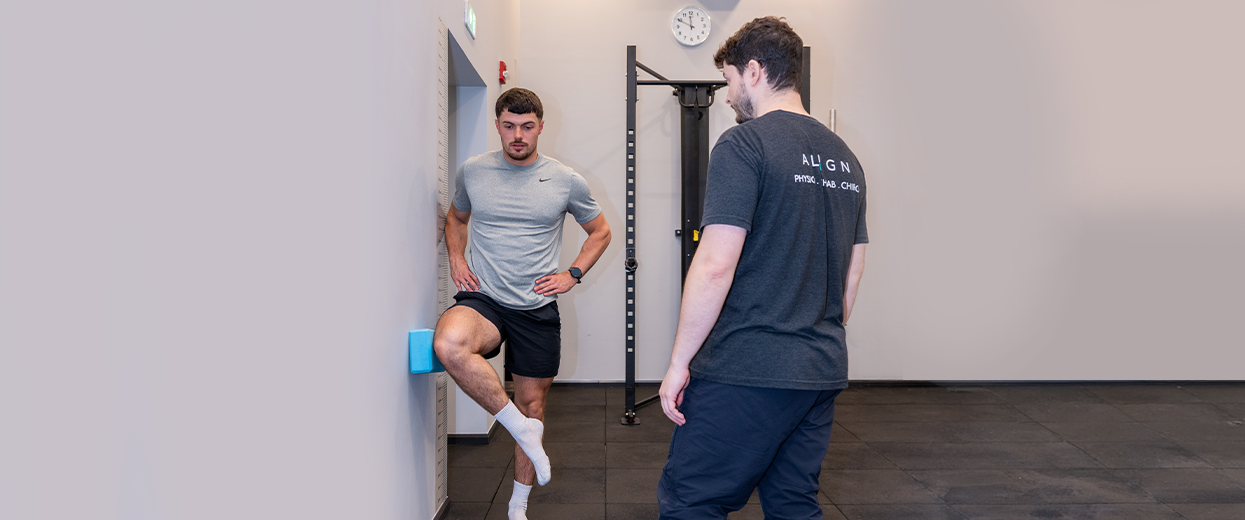
1. Postural Assessment
The first step usually involves a detailed assessment. It includes:
- Observing how you sit and stand
- Checking spinal alignment
- Identifying muscle imbalances
This helps create a clearer picture of the reason for posture issues.
2. Targeted Exercises
Exercises are often a key part of improving posture. These are usually designed to:
- Strengthen weak muscles
- Improve flexibility in tight areas
- Support better body awareness
Examples include:
- Shoulder blade strengthening
- Core stability exercises
- Gentle stretching routines
These exercises are typically introduced gradually and adjusted over time.
3. Movement Re-education
Many posture habits develop without us realizing it. Physiotherapy helps bring awareness to these patterns.
You learn:
- How to sit correctly at your desk
- How to lift objects safely
- How to adjust your posture during daily activities
This helps build long-term habits rather than short-term fixes.
4. Manual Therapy
In some cases, hands-on techniques are used to help reduce stiffness and improve mobility.
These techniques help:
- Relax tight muscles
- Improve joint movement
- Support overall comfort
They are usually combined with exercises for better results.
5. Ergonomic Advice
Your environment plays a big role in posture. A physiotherapist can guide you on:
- Desk setup
- Screen height
- Chair support
- Workstation positioning
Small adjustments in your daily setup can make a noticeable difference over time.
Everyday Tips to Support Better Posture
Along with professional care, simple daily habits can support posture improvement.
- Take short breaks if sitting for long periods
- Keep your screen at eye level
- Avoid slouching while using your phone
- Stay active with regular movement
- Be mindful of how you stand and walk
These small changes can complement physiotherapy to improve posture and help maintain progress.
The Role of Align Health in Posture Care
At Align Health, posture care is approached with a focus on safety, personalization, and evidence-based practice. As a physiotherapy and wellness center in Abu Dhabi, Align Health ensures that each individual receives care tailored to their condition and lifestyle.
Physiotherapists at Align Health take the time to understand movement patterns, daily habits, and any underlying concerns before recommending a plan. This patient-centered approach helps create realistic and manageable strategies for improving posture.
Rather than offering quick fixes, Align Health focuses on long-term support through guided exercises, education, and ongoing assessment.
Key Takeaway
Good posture is not about perfection. It is about balance, awareness, and consistency. Small changes in how you sit, stand, and move can make a meaningful difference over time.
With the right support, including physiotherapy for posture correction, many people find it easier to move comfortably and reduce strain in their daily lives.
Blog written by Fernando Tassi Salati, Physiotherapist.