
What Is Pelvic Floor Physiotherapy and Who Can It Help?
Pelvic floor physiotherapy in Abu Dhabi is a specialist area of clinical practice that addresses conditions affecting the muscles, connective tissue, and nerves of the pelvic floor. Despite being one of the most clinically effective and evidence-supported physiotherapy disciplines, it remains underutilised, largely because many people are unaware that the problems they are living with are both common and treatable.
At Align Health in Abu Dhabi, pelvic floor physiotherapy is delivered by clinicians with specialist postgraduate training. Our team works with women across all stages of life, from pregnancy and the postnatal period through to perimenopause and beyond.
Align Health is a DOH-certified physiotherapy clinic in Abu Dhabi. The information in this blog is for educational purposes only and is not a substitute for professional medical advice, diagnosis, or treatment. Always consult a qualified healthcare provider regarding any medical condition.
What Is the Pelvic Floor?
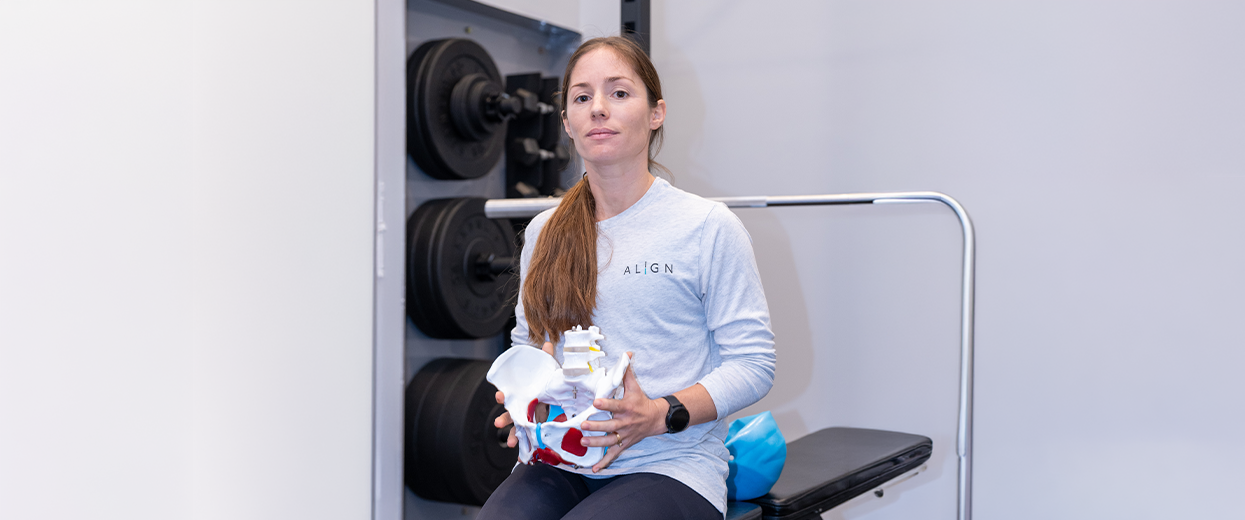
The pelvic floor is a group of muscles and connective tissues that form the base of the pelvis. These structures support the bladder, uterus, and bowel and play a central role in bladder and bowel control, sexual function, and core stability. Like any other group of muscles in the body, the pelvic floor can become weakened, overactive, or poorly coordinated, each of which can produce a distinct set of symptoms.
A common misconception is that pelvic floor problems only mean weakness. In practice, an overactive pelvic floor, sometimes called hypertonic (meaning it holds persistent tension rather than relaxing normally), is just as disruptive and requires a different treatment approach than a weak pelvic floor. A specialist physiotherapist can assess your pelvic floor to identify which pattern you have.
Conditions Treated by Pelvic Floor Physiotherapy
Urinary Incontinence
Urinary leaking is one of the most common pelvic floor symptoms women report. Stress urinary incontinence means leaking during coughing, sneezing, laughing, or exercise. It happens when your urethra doesn’t get enough support during periods of increased abdominal pressure, such as when you cough or jump. Urgency incontinence is different: it’s a sudden, strong urge to urinate that’s hard to control, and it comes from a different underlying mechanism. Research shows both types respond well to pelvic floor physiotherapy.
Pelvic Organ Prolapse
Prolapse occurs when one or more pelvic organs descend from their normal position due to weakness or damage in the supporting pelvic floor structures. Symptoms may include a dragging sensation in the pelvis, a feeling of something coming down, or discomfort with prolonged standing or physical activity. Physiotherapy is a primary conservative management strategy for prolapse, with evidence supporting improvements in both symptoms and function.
Pelvic Pain
Persistent pelvic pain, including pain during or after intercourse, pain with tampon use, or generalised pelvic pressure and heaviness, is frequently linked to pelvic floor muscle dysfunction. Overactivity or trigger points within the pelvic floor muscles can contribute significantly to these symptoms. Physiotherapy assessment identifies the contributing musculoskeletal factors and provides targeted treatment.
Prenatal and Postnatal Conditions
Pelvic girdle pain, lower back pain, and pubic symphysis pain are common during pregnancy and respond well to physiotherapy intervention. After birth, pelvic floor rehabilitation is recommended regardless of delivery mode, as both vaginal and caesarean births affect the pelvic floor in different ways. Postnatal physiotherapy also addresses abdominal muscle separation (diastasis recti) and guides a safe return to exercise.
Pelvic Floor Dysfunction in Active Women
Leaking during exercise, known as stress incontinence on exertion, is extremely common among women who run, jump, lift weights, or participate in high-impact sport. Many women either accept it as inevitable or quietly reduce their activity levels as a result. Neither is necessary. A pelvic floor physiotherapist can assess function under load, identify the contributing factors, and build a rehabilitation programme that allows women to continue training while addressing the underlying issue.
Stress vs. Urgency Incontinence: Quick Comparison
| Feature | Stress Incontinence | Urgency Incontinence |
|---|---|---|
| Trigger | Coughing, sneezing, laughing, exercise | Sudden urge, often without warning |
| Underlying cause | Reduced urethral support under pressure | Overactive bladder signaling |
| Physio approach | Pelvic floor strengthening | Bladder retraining + pelvic floor coordination |
What Does Pelvic Floor Physiotherapy Involve?
Assessment begins with a detailed history of symptoms, medical background, obstetric history where relevant, and current activity levels. Depending on the presenting condition and the patient’s consent, assessment may include external observation of pelvic floor function, internal pelvic floor examination, and assessment of breathing, posture, and core coordination.
Treatment is individualised and may include pelvic floor muscle training, manual therapy, education on bladder and bowel habits, guidance on activity modification, and progressive rehabilitation exercises. Sessions are conducted in a private, clinical setting by a female physiotherapist, where preferred.
When Should You Consider Pelvic Floor Physiotherapy?
You should consider seeking assessment from a pelvic floor physiotherapist if you experience any of the following:
- Leaking urine during exercise, coughing, sneezing, or laughing
- A frequent or urgent need to urinate that is difficult to control
- A feeling of heaviness, pressure, or something coming down in the pelvis
- Pain in the pelvis, tailbone, or lower abdomen that is not explained by another diagnosis
- Pain during or after intercourse
- Difficulty returning to exercise after childbirth
You do not need a referral to access pelvic floor physiotherapy at Align Health. If your doctor or gynaecologist has recommended specialist physiotherapy, we are happy to work alongside your healthcare team.
Pelvic Floor Physiotherapy at Align Health Abu Dhabi
At Align Health, our pelvic floor physiotherapy service is delivered by clinicians with specialist postgraduate training in pelvic health. We see women across all life stages and provide care in a professional, supportive environment.
If you are looking for a physio in Abu Dhabi with specialist pelvic floor expertise, our team is ready to help. To book an appointment, visit
alignhealth.ae or call 02 585 8322 (Al Zeina) or 02 671 9103 (Saadiyat).
Frequently Asked Questions
Is pelvic floor physiotherapy only for women who have had children?
No. While pregnancy and childbirth are among the most common contributing factors to pelvic floor dysfunction, pelvic floor conditions affect women of all ages and life stages, including those who have never been pregnant. Hormonal changes, high-impact sport, chronic constipation, and pelvic surgery are among the other factors that can affect pelvic floor function.
Does pelvic floor physiotherapy involve an internal examination?
Internal pelvic floor assessment may be recommended depending on your presenting condition, but it is never performed without your full understanding and consent. Your physiotherapist will explain what the assessment involves before proceeding and will stop at any point if you are uncomfortable. Many presentations can be partially assessed without internal examination.
How many sessions will I need?
This depends on the nature and severity of the presenting condition. Some women notice significant improvement within four to six sessions, while others with more complex or longstanding conditions may benefit from a longer programme. Your physiotherapist will provide a realistic indication of the expected timeline at your initial assessment.
Can I do pelvic floor physiotherapy during pregnancy?
Yes. Pelvic floor physiotherapy is safe throughout pregnancy and can provide meaningful benefit for pelvic girdle pain, urinary leakage, and general pelvic floor preparation for labour and delivery. Treatment approaches are adapted to each stage of pregnancy.
Is leaking during exercise something I just have to accept?
No. Urinary leakage during exercise is common but it is not a normal or inevitable part of being active or having had children. Pelvic floor physiotherapy has strong evidence supporting its effectiveness for stress urinary incontinence, and most women see significant improvement with a structured rehabilitation programme.
Blog written by Fernando Tassi Salati, Physiotherapist.