
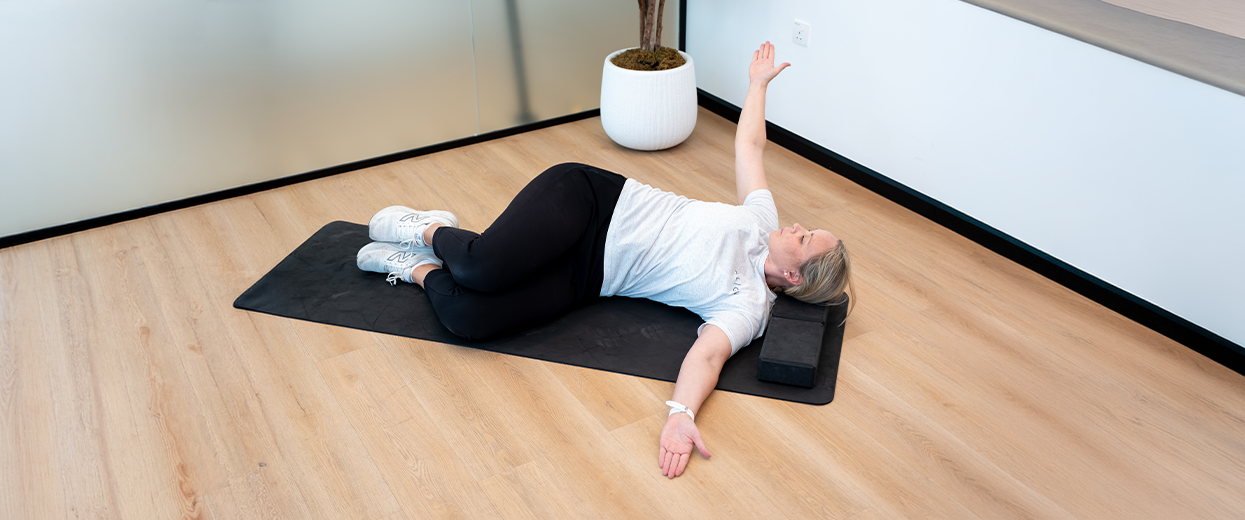
Your Body After Birth: Where Does Postpartum Physiotherapy Fit In?
After giving birth, recovery is often spoken about as if there is a single timeline: rest, attend the postnatal check, then gradually get back to normal. In reality, the physical recovery after childbirth can be very different from one person to another.
Pregnancy, vaginal birth, caesarean birth, feeding positions, disrupted sleep, lifting a baby, and returning to work or exercise can all place new demands on the body. Postpartum physiotherapy fits into this period by assessing how you are moving and functioning, identifying symptoms that may need attention, and helping you rebuild capacity at a pace that matches your recovery and goals.
Align Health is a DOH-certified physiotherapy clinic in Abu Dhabi. The information in this blog is for educational purposes only and is not a substitute for professional medical advice, diagnosis, or treatment. Always consult a qualified healthcare provider regarding your specific condition.
What Can Change Physically After Birth?
The postpartum body is recovering from pregnancy and birth while simultaneously adapting to new daily demands. The abdominal wall and pelvic floor have been through significant change, while the back, hips, pelvis, shoulders, and wrists may also be affected by feeding, carrying, lifting, and repeated positions.
Some women feel relatively comfortable but are unsure how to return to exercise. Others notice leaking, pelvic heaviness, abdominal weakness, back or pelvic pain, scar sensitivity, or difficulty with movements that were previously easy. These concerns deserve individual assessment rather than being dismissed as something that simply has to be tolerated after having a baby.
Where Does Postpartum Physiotherapy Fit In?
Postpartum physiotherapy is not only for one symptom or one stage of recovery. It can help identify which areas need support and provide a structured plan for returning to everyday activity, work, exercise, or sport.
An assessment may consider pelvic floor function, abdominal wall control, breathing and pressure management, movement, strength, pain, scars when clinically relevant, and the specific activities you are trying to return to. The plan should be individual because recovery after childbirth is influenced by the pregnancy, birth experience, medical history, symptoms, sleep, activity level, and personal goals.
At Align Health, women’s health physiotherapy services can support women through pregnancy and the postnatal period with assessment and rehabilitation tailored to the individual.
Pelvic Floor Symptoms Are Worth Talking About
The pelvic floor supports the pelvic organs and contributes to bladder and bowel control, sexual function, and pressure management during movement. After childbirth, some women may experience urinary leakage, urgency, a feeling of heaviness or bulging, difficulty controlling wind or bowel movements, or pelvic pain.
Pelvic floor muscle training can be helpful for some postpartum pelvic floor problems, but simply doing more squeezes is not always the answer. Muscles can be weak, overactive, poorly coordinated, or difficult to relax. A pelvic health physiotherapy assessment can determine what type of training is appropriate rather than assuming every person needs the same programme.
What About Abdominal Separation?
Diastasis recti describes separation between the two sides of the abdominal wall that occurs during pregnancy. The size of the gap is only one part of the picture. Postpartum rehabilitation may also consider abdominal strength, pressure control, comfort, function, and how the trunk responds during lifting, exercise, or daily tasks.
Current research supports exercise as part of postpartum rehabilitation, but there is no single abdominal exercise that is best for everyone. The programme should match your stage of recovery and the symptoms or functional limitations you actually have.
Back, Pelvic and Everyday Movement
New parenthood creates a lot of repetitive physical work. Feeding positions, lifting from a cot, carrying a car seat, getting up from the floor, and spending long periods in one position can all contribute to discomfort.
Physiotherapy can look beyond the painful area and identify practical changes to movement, strength, and load. Treatment may include targeted exercise, education, movement strategies, and hands-on treatment where appropriate. The aim is not to create a perfect posture. It is to make everyday tasks more comfortable and help the body tolerate what your routine requires.
Returning to Exercise After Childbirth
There is no single postpartum week at which every person is automatically ready for running, gym training, or higher-impact exercise. Healing, pelvic floor symptoms, abdominal function, strength, sleep, energy availability, previous activity, and the type of birth can all affect progression.
A gradual return usually makes more sense than jumping straight back to pre-pregnancy training. For someone returning to running, for example, the progression may begin with walking and strength work before introducing short run-walk intervals and then building duration and intensity as tolerated.
If you want a structured return to activity, postpartum recovery physiotherapy can help you understand what your body is ready for now and what needs to be rebuilt next.
When Should You Speak to a Doctor First?
Postpartum physiotherapy works alongside medical care, not instead of it. Seek medical assessment for symptoms such as heavy or increasing bleeding, fever, wound concerns, chest pain, shortness of breath, sudden significant swelling or pain in one leg, severe headache, or feeling acutely unwell. If you are unsure whether a symptom is part of normal recovery, contact your maternity or medical team.
Postpartum Physiotherapy at Align Health
The role of postpartum physiotherapy is to help you understand your current function and build back towards the activities that matter to you. That may mean improving pelvic floor control, rebuilding trunk and lower-body strength, managing pain, or simply gaining confidence with exercise again.
If you would like an individual postpartum assessment, book with the Align Health team at alignhealth.ae or call 02 585 8322 (Al Zeina) or 02 671 9103 (Saadiyat).
Frequently Asked Questions
Do I need postpartum physiotherapy if I do not have pain?
Not necessarily, but physiotherapy can still be useful if you have questions about pelvic floor function, abdominal recovery, lifting, or returning to exercise. An assessment is particularly relevant if you notice leakage, heaviness, weakness, pain, or difficulty progressing activity.
Can I have postpartum physiotherapy after a caesarean birth?
Yes. Physiotherapy may address movement, strength, abdominal wall function, scar-related concerns when the wound has appropriately healed, and a gradual return to activity. The timing and type of treatment should be adapted to your medical recovery.
Is an internal pelvic floor examination always required?
No. An internal assessment may be useful in some cases, but it should only be performed when clinically indicated and with your informed consent. Your physiotherapist should explain the options and you can decline any part of an assessment.
When can I start running again after having a baby?
There is no universal date that applies to everyone. Current expert guidance supports an individualised, gradual return that considers pelvic floor and musculoskeletal symptoms, strength, daily function, recovery, and how the body responds as running load increases.
Can physiotherapy help with leaking after childbirth?
Pelvic floor physiotherapy is commonly used as a conservative approach for postpartum urinary incontinence. Treatment may include pelvic floor muscle training and other strategies based on the assessment. Persistent leakage is worth discussing rather than assuming it is an unavoidable part of motherhood.
Blog written by Fernando Tassi Salati, Physiotherapist.
References
Beamish NF, Davenport MH, Ali MU, et al. Impact of postpartum exercise on pelvic floor disorders and diastasis recti abdominis: a systematic review and meta-analysis. British Journal of Sports Medicine. 2025;59(8):562-575. doi:10.1136/bjsports-2024-108619.
Deering RE, Donnelly GM, Brockwell E, et al. Clinical and exercise professional opinion on designing a postpartum return-to-running training programme: an international Delphi study and consensus statement. British Journal of Sports Medicine. 2024;58(4):183-195. doi:10.1136/bjsports-2023-107490.
Chen Y, Zhang J. The Effectiveness of Pelvic Floor Muscle Training in Treating Postpartum Urinary Incontinence: A Systematic Review and Meta-analysis. International Urogynecology Journal. 2026. doi:10.1007/s00192-026-06656-x.