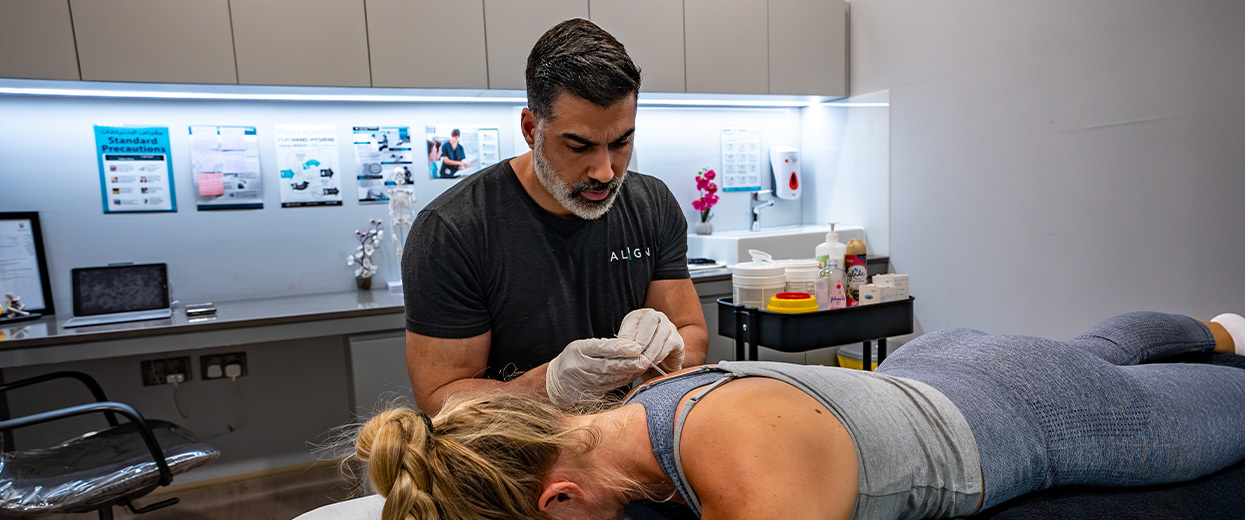
Cupping Therapy Helps Relieve Chronic Pain

How Cupping Therapy Helps Relieve Chronic Pain and Muscle Tension

Living with chronic pain and muscle tension can feel like a daily battle. Whether it’s a tight neck from long hours at a desk, an aching back that won’t ease up, or muscle soreness from workouts, these discomforts can make life difficult. Thankfully, cupping therapy offers a natural and effective way to manage these issues. At ALIGN Health, a trusted wellness center in Abu Dhabi, cupping therapy is part of a holistic approach to pain management and recovery. Let’s dive deeper into how this ancient technique works and why it’s gaining popularity as a safe, drug-free option for chronic pain relief.

What is Cupping Therapy?

Cupping therapy is an alternative treatment that has been used for centuries across various cultures, from traditional Chinese medicine to Middle Eastern healing practices. It involves placing special cups—made of glass, silicone, bamboo, or plastic—on the skin to create suction. This suction lifts the skin and underlying tissue, encouraging blood flow, promoting healing, and helping to release muscle tension.

The team at ALIGN Health uses cupping therapy as part of a comprehensive care plan for people dealing with chronic pain, muscle tension, and other musculoskeletal issues. By combining cupping with physiotherapy, massage, and other techniques, they help patients find long-term relief and improved mobility.

How Cupping Therapy Relieves Chronic Pain

One of the key reasons cupping therapy is effective for chronic pain is its ability to increase blood circulation. When the cups create suction, they draw fresh, oxygen-rich blood into the affected area, helping to flush out toxins and reduce inflammation. This process supports the body’s natural healing mechanisms, promoting tissue repair and reducing pain.

For those struggling with chronic pain, cupping therapy can be especially helpful in breaking the cycle of tension and discomfort. It helps release knots and adhesions in the fascia—the connective tissue that wraps around your muscles. These adhesions can limit your range of motion and cause persistent pain. By loosening them, cupping restores flexibility and ease of movement.

Cupping Therapy for Muscle Tension

Muscle tension is a common issue for many people, whether it’s caused by stress, posture problems, or overuse. This tightness often leads to discomfort in areas like the neck, shoulders, and back. Cupping therapy works like a reverse massage—while massage applies pressure, cupping lifts the tissues, creating space and relieving tension.

This technique is especially effective for those seeking cupping for muscle pain. The suction helps reduce tightness in the muscles, allowing them to relax and recover. Many patients at ALIGN Health report feeling immediate relief after a cupping session, with their muscles feeling looser, lighter, and less painful.

The Benefits of Cupping Beyond Pain Relief

While cupping therapy is best known for helping with pain and tension, it also offers other benefits. It can improve lymphatic drainage, support detoxification, and promote a sense of relaxation. For people with chronic conditions like fibromyalgia, arthritis, or migraines, cupping can provide an added layer of relief alongside other treatments.

Cupping therapy is also beneficial for athletes who want to recover faster after intense training sessions. By stimulating blood flow and reducing muscle tightness, it can help improve performance and prevent injuries. When combined with stretching, hydration, and other recovery techniques, cupping therapy becomes a powerful tool for maintaining overall health.

Cupping for Muscle Pain: A Holistic Solution

If you’re considering cupping for muscle pain, it’s essential to choose a qualified professional who understands how to tailor the treatment to your specific needs. At ALIGN Health, the team takes a personalised approach, assessing each patient’s condition and goals to design a plan that provides maximum benefit.

During a cupping session, you may feel a gentle pulling sensation, which is the suction working on your muscles. Some people may also notice round marks on the skin after a session—these are not bruises but a sign that blood flow has been stimulated in the area. The marks usually fade within a few days.

Cupping therapy is often combined with other treatments at ALIGN Health to create a well-rounded approach to healing. This might include physiotherapy, dry needling, or massage therapy, depending on the individual’s needs.

Final Thoughts

Chronic pain and muscle tension can take a serious toll on your daily life, but you don’t have to suffer in silence. Cupping therapy offers a time-tested, natural solution that addresses the root causes of pain—improving circulation, relieving tension, and supporting the body’s healing processes. At ALIGN Health, the team is committed to helping you regain your strength, mobility, and sense of well-being through personalised care.

If you’re struggling with muscle pain, stiffness, or chronic discomfort, cupping therapy could be the key to lasting relief. With the right support and a holistic approach, you can take charge of your health and enjoy a better, more active life.

Pelvic Pain Relief

Why Pelvic Floor Therapy is Essential for Long-Term Pelvic Pain Relief?

Pelvic pain is often misunderstood, misdiagnosed, or brushed off as something that “just happens” with age, childbirth, or menstruation. But persistent pelvic discomfort isn’t something you have to live with. For many individuals, especially women, chronic pelvic pain affects daily activities, relationships, mental health, and overall quality of life. One of the most effective and long-lasting solutions for this is pelvic floor therapy, a focused form of physiotherapy aimed at restoring balance, strength, and function to the pelvic region.

In this blog, we’ll explore what makes pelvic floor therapy so crucial, how it works, and why it should be considered a foundational treatment for anyone seeking true and lasting pelvic pain relief. If you’re exploring treatment options, services like pelvic strengthening physiotherapy can offer a tailored, non-invasive approach to healing.

Understanding the Pelvic Floor and Its Role in Pain

Your pelvic floor is a group of muscles, ligaments, and tissues located at the base of the pelvis. These muscles act like a sling, supporting vital organs such as the bladder, uterus (in women), and rectum. They also play a key role in bowel and bladder control, sexual function, and core stability.

When these muscles become weak, overly tight, or imbalanced, it can lead to chronic conditions such as:

  • Lower abdominal pain
  • Pain during intercourse
  • Urinary urgency or incontinence
  • Pain while sitting or walking
  • Pressure or heaviness in the pelvic area

This is where pelvic floor therapy comes into play. It aims to rehabilitate and retrain these muscles, often reducing or eliminating the root causes of pain.

Why Typical Approaches May Not Work Long-Term

Painkillers, anti-inflammatory drugs, or even surgery might provide short-term comfort. However, they often don’t address the root cause of the discomfort. Medications can suppress symptoms, but they don’t fix muscle dysfunction, nerve irritation, or poor posture that often contributes to pelvic pain.

Moreover, general exercises might not target the delicate coordination needed in the pelvic floor region. Without the right training, you might be working against your body instead of supporting it.

Pelvic floor therapy fills this gap by focusing on the structural and functional integrity of the pelvic region—offering targeted, sustainable relief.

How Pelvic Floor Therapy Helps with Pelvic Pain Relief

Pelvic floor therapy is more than just Kegel exercises. It’s a tailored physiotherapy program that includes assessment, education, manual therapy, and functional retraining. Here’s how it helps:

1. Releases Muscle Tension

Tight pelvic floor muscles can feel like a constant ache. Therapists use manual release techniques, such as internal myofascial release, to loosen knots and reduce tension.

2. Builds Strength and Endurance

Weak muscles can’t properly support pelvic organs. Through targeted exercises, therapists help you rebuild strength, especially if your pain is related to prolapse or after childbirth.

3. Improves Body Awareness

Many people with pelvic pain develop incorrect posture or movement habits to avoid discomfort. A therapist helps retrain your brain to move in ways that reduce strain and tension.

4. Restores Core Stability

Your pelvic floor works in conjunction with abdominal and back muscles. Strengthening these areas improves your posture and relieves pressure on the pelvis.

5. Reduces Nerve Sensitivity

Sometimes, pelvic pain is neurological. Nerves in the pelvic region can become hypersensitive. Therapy helps calm down the nervous system through desensitization techniques and guided relaxation.

Common Conditions Treated by Pelvic Floor Therapy

Here are just a few of the many conditions that can benefit from pelvic floor therapy:

  • Endometriosis-related pain
  • Post-surgical pelvic pain
  • Interstitial cystitis
  • Vulvodynia
  • Vaginismus
  • Pelvic organ prolapse
  • Pain after pregnancy and childbirth
  • Chronic constipation and straining

If you’ve been diagnosed with one of these, or have unexplained discomfort in the lower abdomen, don’t overlook the pelvic floor as a potential source.

Why Early Intervention Matters?

The longer you wait, the harder your body works to adapt to the pain. It’s common for people with pelvic pain to develop compensatory movement patterns, like pelvic tilting, shallow breathing, or holding tension in the hips and thighs. These adjustments might offer temporary relief but eventually lead to other problems, like hip or lower back pain.

Early intervention through pelvic floor therapy prevents this domino effect. The sooner you start, the quicker your body can learn new, healthy patterns—and the better your chance at full recovery.

What to Expect in a Pelvic Floor Therapy Session? 

At your first visit, your physiotherapist will start with a comprehensive evaluation. This might include:

  • Detailed health history
  • Postural assessment
  • Internal and/or external pelvic exam
  • Functional movement screening

Depending on the findings, your therapist may use a combination of:

  • Manual therapy techniques
  • Biofeedback training
  • Electrical stimulation (in some cases)
  • Targeted exercises
  • Breathing and relaxation strategies
  • At-home care routines

Therapy is gentle, respectful, and always tailored to your comfort and needs.

The Mental Health Connection

Chronic pain can take a toll on your mental well-being. It can affect your sleep, relationships, work, and sense of self. When pelvic pain is persistent, people often feel isolated, frustrated, or anxious.

Pelvic floor therapy isn’t just physical—it also empowers you emotionally. It offers a space to understand your body, regain control, and start healing from the inside out. You’ll learn how to listen to your body’s signals and respond with care, not fear.

How Pelvic Strengthening Supports Long-Term Results?

While many clients feel better within a few weeks, consistency is key. Your therapist will provide you with progressive exercises that grow with your body’s ability. This ensures that the improvements you make during therapy are maintained in daily life.

Building long-term pelvic pain relief is about more than temporary comfort—it’s about creating a strong, responsive, and resilient pelvic floor. As you continue your program, you’ll notice improvements in movement, confidence, and comfort.

The good news? You don’t have to do it alone. Programs like pelvic strengthening physiotherapy provide expert support to help you move forward safely and effectively.

Empowering Your Recovery Through Knowledge

Many people spend years seeking answers before discovering pelvic floor therapy. But the science is clear: a strong, balanced pelvic floor plays a central role in managing and preventing pain. By understanding how your body works and getting expert guidance, you set the stage for lasting relief.

Don’t wait until the discomfort becomes unbearable or interferes with your day-to-day life. If you experience any kind of pelvic discomfort—whether mild or severe—it’s worth talking to a physiotherapist trained in pelvic health.

Final Thoughts

Pelvic pain doesn’t have to be your normal. Through the right support, education, and therapeutic approach, you can achieve pelvic pain relief that lasts. Pelvic floor therapy empowers you with tools, understanding, and strength—both physically and mentally. It offers not just healing, but a return to the quality of life you deserve.

If you’re ready to take that step toward recovery, reach out to a pelvic health specialist and explore your options. Healing starts with knowledge—and continues with action.

Physical Therapy for Pain

Physical Therapy for Pain: Recover Faster and Prevent Sports Injuries

Pain can stop you in your tracks. Whether it’s a nagging backache from long hours at your desk or a sharp twinge from an old sports injury, pain can affect your daily life. That’s where physical therapy for pain comes in—it’s not just about treating the pain, but also preventing it from coming back. This approach focuses on understanding the root cause of your pain, creating a tailored plan, and using proven techniques to speed up recovery. With guidance from skilled therapists, you can move better, feel stronger, and avoid long-term problems.

At ALIGN Health, we believe in a proactive approach. Physical therapy helps athletes and active individuals not just recover from injuries but also perform better and stay injury-free. That’s why physical therapy for muscle recovery is an essential part of many training routines. From professional athletes to weekend warriors, everyone benefits from targeted care that addresses muscle imbalances, joint stiffness, and movement restrictions.

How Physical Therapy for Pain Works

When you visit a physiotherapist for pain management, the process starts with a detailed assessment. The therapist looks at how you move, identifies areas of weakness or tension, and listens to your pain history. Based on this, a personalised treatment plan is designed to address your unique needs.

Physical therapy for pain combines a variety of techniques, such as:

  • Manual therapy: Hands-on techniques to release tight muscles, improve joint mobility, and relieve pain.

  • Exercise therapy: Specific movements and stretches to strengthen weak muscles, improve balance, and correct posture.

  • Dry needling and trigger point therapy: Targeted approaches to release muscle knots and reduce pain.

  • Education and advice: Helping you understand how to modify your activities, improve posture, and avoid reinjury.

ALIGN Health’s therapists use these methods to help clients recover faster, manage pain better, and build long-term resilience.

Preventing Sports Injuries with Physical Therapy

For athletes and fitness enthusiasts, physical therapy for pain is not just about recovery—it’s about prevention. Many sports injuries happen due to muscle imbalances, overuse, or poor technique. Physical therapists can spot these risk factors early and create programs to address them before they lead to serious issues.

For example, if you’re a runner with recurring knee pain, your therapist might assess your running form, muscle strength, and flexibility. They’ll teach you proper warm-up routines, stretches, and strengthening exercises to reduce strain on your knees. This approach doesn’t just manage your pain but helps you run more efficiently and safely.

The same applies to other sports like football, tennis, or weightlifting. A tailored physical therapy plan focuses on your body’s needs, ensuring you train smarter, not just harder.

Why Choose ALIGN Health for Physical Therapy

At ALIGN Health, we understand that every person’s pain is different. That’s why our team takes the time to listen, assess, and design care that works for you. Our state-of-the-art facility in Abu Dhabi offers a wide range of services for physical therapy for pain, ensuring you get the best care in a supportive environment.

Whether you’re an athlete, a busy professional, or someone looking to improve their quality of life, ALIGN Health’s therapists are here to guide you. We work with you to:

  • Reduce pain and discomfort

  • Improve mobility and flexibility

  • Strengthen muscles and joints

  • Prevent future injuries

  • Support long-term wellness

Physical therapy isn’t just for people who are already injured—it’s a powerful tool for anyone who wants to move better, feel stronger, and live without constant pain.

Final Thoughts: Taking Charge of Your Pain and Recovery

Pain doesn’t have to control your life. By choosing physical therapy for pain, you’re taking the first step toward a healthier, more active future. From easing chronic aches to preventing sports injuries, physical therapy offers practical, science-backed solutions that empower you to take charge of your health.

ALIGN Health is here to support you every step of the way. Our team is passionate about helping people recover faster and build a foundation for long-term wellness. If you’re ready to move better, feel stronger, and enjoy a pain-free life, consider physical therapy for pain—it could make all the difference.

Would you like us to help you start your journey to pain-free living? Let’s talk today!


Women’s Health Physiotherapy

Women’s Health Physiotherapy: Benefits of Visiting a Women’s Wellness Center

Women go through many different physical changes in life—from puberty and pregnancy to menopause and beyond. With every stage, there are unique challenges and needs that require the right kind of support. That’s where a women’s wellness center comes in.

These centers are designed specifically to care for women’s bodies, offering therapies and treatments that address physical health, hormonal shifts, and lifestyle changes. One of the key services offered at such centers is women’s health physiotherapy—a specialized form of physical therapy that supports women through conditions like pelvic pain, postpartum recovery, urinary incontinence, and more.

If you’re wondering whether visiting a women’s wellness center is right for you, this blog walks you through what these centers offer and why they matter more than ever.

What Is a Women’s Wellness Center?

A women’s wellness center is a dedicated healthcare space focused on the physical and emotional well-being of women. These centers typically include a team of specialists—physiotherapists, gynecologists, psychologists, and nutritionists—working together to provide holistic care.

What makes them unique is their patient-centered approach. Instead of treating one symptom or issue at a time, a women’s wellness center looks at the whole person. That means your treatment plan may include pelvic floor therapy, diet changes, stress management techniques, and even mental health support—all in one place.

What Is Women’s Health Physiotherapy?

Women’s health physiotherapy is a branch of physical therapy that focuses on treating health conditions specific to women. These can range from prenatal and postnatal care to chronic pelvic conditions.

Some of the most common issues treated by a women’s health physiotherapist include:

  • Pelvic floor dysfunction

  • Urinary incontinence

  • Constipation or bowel issues

  • Sexual pain or discomfort

  • Post-surgical rehabilitation (e.g., after C-section or hysterectomy)

  • Pregnancy-related back and hip pain

  • Diastasis recti (abdominal separation after pregnancy)

Unlike general physiotherapy, this kind of care takes into account hormonal changes and how they affect muscles, joints, and tissues—especially in the pelvic region.

Why Visit a Women’s Wellness Center?

Many women delay or avoid treatment for intimate issues due to embarrassment, lack of awareness, or time constraints. But leaving these issues untreated can affect your quality of life. A women’s wellness center creates a safe, respectful, and confidential space where women can get care without judgment.

Here are some of the key benefits:

1. Tailored Care for Women at Every Stage

From teenage years to pregnancy, postpartum recovery, and menopause, each life stage brings its own health concerns. A women’s wellness center provides care that adapts to where you are in life. Your therapy will be designed specifically for your age, lifestyle, and physical needs.

2. Access to Specialized Services

These centers offer focused services like pelvic floor physiotherapy, hormonal health support, and pregnancy-safe exercise programs. The physiotherapists working in such centers are trained specifically in conditions that affect women’s pelvic and reproductive health.

You won’t be passed from one general practitioner to another—instead, you’ll work with specialists who understand exactly what your body is going through.

3. Holistic Healing in One Place

Another advantage of a women’s wellness center is convenience. If your recovery plan includes multiple treatments—like physiotherapy, nutrition advice, or psychological counseling—you can get everything under one roof. This integrated approach reduces stress and ensures that all areas of your health are being addressed together.

4. Pregnancy and Postpartum Support

Pregnancy is one of the most physically demanding periods in a woman’s life. Whether you’re dealing with sciatica, swelling, back pain, or birth recovery, women’s health physiotherapy can support you before and after delivery.

At a women’s wellness center, your care plan might include breathing techniques, posture correction, pelvic strengthening, and guided exercises that are safe for your stage of pregnancy or postpartum status.

5. Support for Menopause-Related Symptoms

Menopause can bring about issues like pelvic pain, joint stiffness, and muscle weakness. Hormonal changes may also cause bladder control problems or sexual discomfort.

A women’s wellness center can help ease this transition by offering targeted physiotherapy and exercise routines designed to relieve symptoms and improve your overall physical health.

How Women’s Health Physiotherapy Works

When you visit a women’s wellness center for physiotherapy, your session typically begins with a detailed consultation. The therapist will ask about your medical history, lifestyle, symptoms, and goals.

If needed, a physical assessment will follow—this might involve posture checks, muscle strength tests, or even a pelvic exam (done respectfully and only with your consent).

Based on the findings, your physiotherapist will create a personalized treatment plan. Some of the common methods used include:

  • Pelvic floor muscle training: Strengthens weak or stretched muscles

  • Manual therapy: Gentle hands-on techniques to relieve pain or tightness

  • Biofeedback: Teaches you how to control muscles using real-time feedback

  • Electrical stimulation: Helps stimulate muscle contraction for those who can’t do it voluntarily

  • Guided exercises: To build strength, mobility, and posture

With regular sessions and the right at-home exercises, many women report a noticeable improvement in their symptoms within a few weeks.

Who Should Visit a Women’s Wellness Center?

You don’t need to be in pain to benefit from visiting a women’s wellness center. Prevention is just as important as treatment.

Here are some signs it might be time to book an appointment:

  • You leak urine when you cough, sneeze, or laugh

  • You feel pressure or heaviness in your pelvic area

  • You’re experiencing pain during intimacy

  • You’ve recently had a baby and want to safely return to exercise

  • You’re preparing your body for pregnancy

  • You have chronic lower back or hip pain that hasn’t gone away

  • You want to feel more confident about your body’s strength and balance

Many women also visit these centers as part of their self-care routine. Even if nothing feels “wrong,” a regular check-in with a physiotherapist can keep your body functioning at its best.

How ALIGN Health’s Women’s Wellness Center Can Help

At ALIGN Health in Abu Dhabi, our women’s wellness center is designed with your comfort, privacy, and care in mind. We offer a wide range of women-focused services that combine physiotherapy with evidence-based wellness practices.

Our team of certified physiotherapists specializes in women’s health physiotherapy and has helped hundreds of women in the region recover from pain, gain confidence, and return to their daily lives without discomfort.

We know that every woman is different. That’s why we take the time to understand your unique concerns and design a treatment plan that supports your goals—whether you’re healing from childbirth, dealing with pelvic floor issues, or just want to feel stronger in your body.

Conclusion

A women’s wellness center offers more than just treatment—it offers empowerment. When you visit a center that understands the full spectrum of women’s health, you take an important step toward lasting physical and emotional well-being.

From pregnancy support to menopause management and from pelvic floor therapy to injury recovery, these centers are built to give women the care they truly need.

If you’ve been quietly dealing with pain, discomfort, or postnatal challenges, remember—you’re not alone. Support is available. It’s time to put yourself first and invest in your health with expert, compassionate care.

Pain Rehabilitation in Abu Dhabi

Pain Rehabilitation in Abu Dhabi: Your Guide to a Pain-Free Life

Living with pain—whether it’s from an injury, surgery, or a long-term condition—can take a toll on your body and mind. Simple things like walking, lifting objects, or even sleeping can become difficult. That’s where pain rehabilitation in Abu Dhabi comes in. It’s a treatment approach designed to help you manage and reduce pain so you can get back to enjoying life again.

If you’ve recently had a sports injury, a surgery, or even a broken bone, the right rehab plan can make all the difference. Services such as rehabilitation of fractures in Abu Dhabi are tailored to help your body heal safely and effectively.

Let’s take a closer look at what pain rehabilitation involves and how it can help you or a loved one.

What Is Pain Rehabilitation?

Pain rehabilitation is a type of treatment that focuses on helping people recover from pain and physical limitations. Unlike treatments that only focus on short-term relief, pain rehab aims to fix the root cause of the pain. It helps improve mobility, reduce discomfort, and increase strength over time.

A typical rehab program may include:

  • Physical therapy

  • Occupational therapy

  • Stretching and strengthening exercises

  • Massage therapy

  • Pain management education

Mental health support (when needed)

Every person’s plan is unique and depends on their condition and goals. The goal is not just to treat pain—but to improve overall quality of life.

1. Physical Rehabilitation

Focused on physical movement, this type involves exercises and treatments to improve strength, posture, and mobility. It helps your body regain function, especially if you’ve been inactive due to pain or injury. You’ll work with a physiotherapist to stretch, strengthen, and balance your body.

Physical rehabilitation is commonly used for people with muscle stiffness, joint issues, or injuries from daily activities. It also teaches you how to move properly so you don’t cause further damage. Over time, you’ll notice better flexibility, less pain, and more ease in doing everyday tasks like walking or bending.

2. Post-Surgical Rehabilitation

If you’ve recently had surgery, this program helps your body recover safely, rebuild muscle, and restore function. Whether you’ve had a joint replacement, spinal surgery, or soft tissue repair, this rehab is key to healing correctly and avoiding complications.

The plan usually starts gently, with small movements and pain management techniques, and gradually builds to more active exercises. Post-surgical rehabilitation also helps reduce swelling, improve circulation, and prevent stiffness, helping you regain confidence in your movement.

3. Chronic Pain Management

For people dealing with ongoing pain (such as back or joint pain), rehab includes therapy, pain relief techniques, and emotional support. This type of program is long-term and focuses on helping you live better with pain that doesn’t go away easily.

You’ll learn techniques like deep breathing, gentle stretching, and pacing yourself throughout the day. Many chronic pain programs also include mental health support, since ongoing discomfort can affect your mood and energy. The goal is to improve your quality of life, even if the pain doesn’t fully disappear.

4. Sports Injury Rehabilitation

Athletes and active individuals can benefit from rehab focused on healing, preventing re-injury, and returning to sport. This type of rehab often includes strength training, balance exercises, and recovery techniques to help athletes safely get back in the game.

It also focuses on correcting movement patterns that may have caused the injury in the first place. Whether you’re dealing with a torn ligament, muscle strain, or joint pain, sports rehab helps improve performance while reducing the risk of future injuries.

5. Neurological Rehabilitation

Helps people with nerve-related pain or injuries due to stroke, spinal issues, or neurological disorders. This type of rehab focuses on retraining the brain and body to work together again, which can be challenging but incredibly rewarding.

Therapies might include coordination exercises, speech therapy, and balance training. Neurological rehabilitation also supports emotional and cognitive recovery, helping patients regain independence, confidence, and a better quality of life over time.


Common Conditions Treated with Pain Rehabilitation

Pain rehabilitation can help with a wide range of health problems, such as:

  • Lower back pain

  • Neck and shoulder pain

  • Arthritis

  • Fibromyalgia

  • Tendonitis

  • Muscle sprains and joint injuries

  • Recovery from surgery

  • Nerve pain and neuropathy

  • Bone fractures and breaks

If you’ve broken a bone or had surgery on a limb, pain rehabilitation helps with full recovery. For example, a patient recovering from a leg fracture may need stretching, walking exercises, and gradual weight-bearing activities to return to normal.

1. Reduced Pain and Discomfort

Through the right combination of therapies, you can experience noticeable pain relief—often without heavy use of medications. Treatments such as physical therapy, massage, and targeted exercises help reduce inflammation and release muscle tension naturally.

Over time, these techniques train your body to manage pain better, making it easier to go through daily life. Many patients even find they can reduce or stop pain medications altogether, thanks to their consistent rehab routines.

2. Improved Physical Strength and Movement

Regular therapy helps your muscles grow stronger, joints become more flexible, and your overall balance and posture improve. This means tasks like climbing stairs, bending, or even walking long distances become much easier.

Better strength also lowers your risk of falling or straining yourself in the future. It allows you to become more independent, whether you’re returning to work, caring for your family, or simply enjoying your favorite hobbies.

3. Better Mood and Mental Health

Living with pain can lead to stress and anxiety. Many programs also offer emotional support, helping you stay positive through your recovery. As your body heals, you may also notice your mood lifting and sleep improving.

Rehabilitation gives you back a sense of control. Feeling empowered and supported through your healing process can reduce feelings of frustration or hopelessness. In some cases, talking with a counselor or psychologist may also be part of the plan, helping you deal with the emotional side of pain.

4. Faster Recovery Time

By following a professional rehab plan, your body heals quicker and more effectively—whether after surgery, injury, or a chronic condition. The treatments are carefully designed to help you avoid complications and rebuild function faster.

Instead of just waiting for time to pass, rehab speeds up recovery by actively engaging your muscles and joints in safe movement. This not only helps you get better sooner but also gives you more confidence in your healing journey.

5. Avoiding Future Injuries

Therapists teach you the right way to move, lift, and sit so you don’t re-injure yourself or cause further strain. You’ll learn how to listen to your body, recognize warning signs, and prevent common mistakes that lead to pain.

These habits are useful long after your rehab ends. Whether it’s learning to stretch before exercise or adjusting your desk posture, small changes can make a big difference in keeping your body strong and injury-free.

Tips to Get the Most Out of Your Pain Rehabilitation Program

Rehab only works if you stay committed. Here are some simple tips to make sure you’re getting the best results:

1. Stay Consistent

Stick to your therapy schedule. Regular sessions help your body build strength and stay on track.

2. Communicate with Your Therapist

Don’t be shy—talk to your rehab team. If something doesn’t feel right or you’re in pain, let them know.

3. Follow Your Home Exercises

Your therapist may give you simple stretches or movements to do at home. Don’t skip them—they’re just as important as clinic visits.

4. Set Small Goals

Focus on progress, not perfection. Maybe you walk five minutes longer today than yesterday—that’s a win!

5. Take Care of Your Body

Eat healthy, stay hydrated, and get enough sleep. Your body heals better when it’s supported from the inside.

Final Thoughts

If you’ve been struggling with pain that just won’t go away, know that help is available. Pain rehabilitation in Abu Dhabi is designed to guide you back to health—one step at a time. From expert physiotherapists to world-class facilities, Abu Dhabi is a top choice for anyone looking to regain strength, mobility, and peace of mind.

No matter the cause of your pain—injury, illness, or something else—you don’t have to live with it forever. A proper rehab plan can help you take control, reduce your discomfort, and get back to doing the things you love.

Your journey to a pain-free life starts with one simple step: asking for help. So don’t wait—reach out to a rehabilitation center near you and start your healing today.

Physiotherapist in Abu Dhabi

How Does A Physiotherapist in Abu Dhabi Help Treat Your Back Pain?

Back pain is probably one of the most common issues that we face in our daily lives. Whether the issue is due to hours of work or other physical training, back pain is very common and requires consistent attention. This is one of the most common physical complaints that affect individuals of all ages. Whether due to over-exertion, poor posture, or underlying medical conditions, back pain can disrupt your daily activities. This is when choosing a physiotherapist in Abu Dhabi can play an essential role as they help to address the reasons for back pain by making use of specialised techniques customised according to the patient’s requirements. Physiotherapy provides a holistic approach that focuses more on reducing pain, restoring mobility and preventing future occurrences through personalised treatment plans.

Compared to any other medication that offers temporary relief, physical therapy can be beneficial for such patients as it aims to target the root cause of the pain. Some of the most common techniques, like exercise prescription, manual therapy, and postural correction, can greatly help in long-term pain management. Additionally, looking for professional guidance and experts in chiropractic in Abu Dhabi can provide additional value, as chiropractic mainly focuses on spinal health. This is often linked with back pain. Hence, for people who are suffering from chronic pain, or if you’re recovering from an injury, you can visit a physiotherapy clinic in Abu Dhabi as they have professionals who can improve the quality of your life.

What are the major causes of back pain? 

There can be several reasons for experiencing back pain. As it is a combination issue that arises among elderly and middle-aged individuals, several factors are associated with it. Most of them include lifestyle, habits, and medical conditions. Let us take a look at some of the major causes.

  • Poor posture—Spending long hours sitting, especially in front of computers, or standing in improper posture can strain your back muscles, leading to discomfort and pain over time. Maintaining proper posture is important to prevent such issues.
  • Muscle or ligament strain—Improper lifting of heavy objects or sudden awkward movement can strain ligaments and muscles, resulting in acute pain. Repetitive stress on back muscles can lead to chronic pain. If you do not address it promptly with a physiotherapist in Abu Dhabi, the condition might worsen.
  • Bulging disc or herniated – The disc in your spine can act as a cushion between the vertebra. When a disc slips and gets damaged, it can press your nerves and lead to intense pain in your lower back. This can sometimes radiant down to your legs.
  • Arthritis—Osteoarthritis is one of the most common causes of lower back pain. It causes the space around the spinal cord to narrow, which leads to chronic back pain. The condition is more common among older adults.
  • Skeletal irregularities—Some chronic conditions, like kyphosis and scoliosis, often result in abnormal carves on your spine. This can put undue pressure on the muscles and bones, resulting in pain. Physical therapy can be beneficial in such scenarios as it helps to find irregularities that need specialised treatments.
  • Injuries – Falls, accidents, and sports Injuries can also result in trauma to the back, which leads to prolonged pain and discomfort. Appropriate treatment and immediate solutions are essential to prevent long-term issues.

Understanding the causes can help individuals take preventive measures and seek appropriate treatment from the best physiotherapist in Abu Dhabi. Specialised experts can provide custom exercises and therapies to relieve pain and improve mobility. In addition, seeking chiropractic in Abu Dhabi can provide alternative treatment that focuses more on spinal alignment and overall musculoskeletal health.

For people experiencing persistent back pain, they can visit a physiotherapy clinic. These clinics provide physical therapy services, including exercise programs, education on posture and argument, economics, and manual therapy. Early intervention and consistent treatment can also significantly improve the quality of life and prevent back problems.

How to reduce the recurrence of back pain? 

Back pain can be re-airing, but certain adjustment in lifestyle and preventive strategy can be greatly beneficial in reducing the frequency and seniority of pain in future.

Improving posture – One of the primary reasons for re-occurring of back pain is poor posture. Individuals who spend long hours standing and sitting. You have to make sure that you sit upright with proper support on your lower back and adjusting the chair to the correct height to reduce train. When standing, you must keep your shoulder back and distribute the weight properly on both feet. Initially, you might not be able to understand, but a physiotherapist in Abu Dhabi can provide you complete knowledge about it.

Regular exercise—Strengthening the muscles that support your spine, such as the back, core, and hip muscles, can significantly reduce the recurrence of back pain. Exercises like planks, bridges, and leg raises can help maintain spinal alignment and stability. Hence, stretching routines and yoga can also improve flexibility and reduce tension in your back muscles.

Properly lift objects – It is important that you choose the right posture while lifting objects. Avoid bending from your waist while lifting heavy objects. Rather, squat down by bending your knees, hold the object close to your body and lift by using your strength on your legs. The technique can reduce strain on your back muscles and spine, thereby reducing the chances of back pain.

Maintain a healthy weight – Excessive body weight, particularly around your abdomen, can also put additional pressure on your spine, which contributes to your back pain. Hence, it is important for you to maintain regular activities and a balanced diet to keep the weight in check and reduce the strain on your back.

Stay active. Prolonged periods of activity or sitting can stiffen your joints and muscles, increasing the likelihood of back pain. Even if you have a sedentary job, it is important to get up and stretch every 30 minutes. Engaging in low-impact exercises like walking, swimming, and cycling can keep your back flexible and strong.

Economic adjustment—Investing in economic furniture that supports your spine is extremely important. This will provide the additional support that your spine requires. Choose adjustable chairs with lumber support or a standing desk that allows you to alternate between sitting and standing positions throughout your day.

Manage Stress – Emotional stress can lead to muscle tension, especially in the back and neck areas. Techniques such as meditation, deep breathing, and mindfulness can help alleviate stress and reduce muscle tension.

Sleep position—Sleeping on your back with a pillow under your knees or on your side with a pillow between your legs can help maintain your spine’s natural curve. A good-quality mattress provides adequate support, which is essential for your spine to regulate proper posture.

How can a physiotherapist help?

A physiotherapist in Abu Dhabi is well-equipped with a lot of expertise and knowledge to diagnose, assess and treat three different kinds of pain. Physiotherapists generally use a combination of exercises, manual techniques and education to help patients get rid of pain and regain mobility. Some of the major treatments include the following.

  • Manual therapy – This is a hands-on treatment offered by a physiotherapist in Abu Dhabi that involves manipulating soft tissues and joints to reduce pain and improve movements. Techniques like muscle release and joint mobilisation can definitely become helpful to relieve tension in your back muscles.
  • Prescribing exercises—A physiotherapist in Abu Dhabi designs and personalises exercise programs that focus on strengthening the core and back muscles. These exercises improve posture and enhance flexibility. They not only treat back pain but can also prevent it from reworking.
  • Postural training – There are several back pain cases that stem from poor posture. Physiotherapist clearly works on patients to correct their posture through awareness and specific training programmes can greatly help to maintain the natural curve of your spine.
  • Dry needling and acupuncture – Several physiotherapists provide treatments like dry, needling and acupuncture in their physiotherapy clinic as target trigger points in muscles to relief chronic pain.
  • Electrotherapy – Techniques like ultrasound therapy and transcutaneous electrical nerve stimulation (TENS) are sometimes used to reduce inflammation and relieve pain in affected areas.

Choose Align Health 

When it comes to selecting a trusted physiotherapy clinic in Abu Dhabi, Align Health can be a great and excellent choice. With some of the best physiotherapists, they can address your back pain concerns. The clinic provides a holistic care approach for your treatment to ensure that your patient receives personalised care customised to your specific requirements. Whether you’re suffering from Acute pain or you want to manage your chronic condition, the team at Align Health have highly trained professionals offering physical therapy to help you recover through innovative techniques and proven therapy.

Their experienced team includes experts in Chiropractic in Abu Dhabi, providing spinal adjustments that complement physiotherapy treatments. The physiotherapy clinic also offers state-of-the-art equipment and a comfortable environment designed to promote healing. From manual therapy to rehabilitation exercises and posture correction, Align Health provides comprehensive treatment solutions aimed at delivering long-lasting relief.

Frequently asked questions

How long does it take to recover from back pain with physical therapy?

Recovery greatly varies based on the severity of your condition. When you choose an experienced physiotherapist in Abu Dhabi, there are chances that you will get good results in a few months. Mild cases will take a few weeks, while chronic conditions might take a few months with consistent treatment.

Is Chiropractic Care safe for back pain?

Yes, when you choose a chiropractic in Abu Dhabi offered by licensed professional professionals, you can receive highly effective and safe mechanism for treating back pain, specially when it is combined with physiotherapy.

How often do you need to visit a physiotherapist in Abu Dhabi?

The frequency of visits depends on your condition and treatment plan. Generally, sessions may be required 1-3 times per week initially, with gradual reductions as your pain improves.

physiotherapy clinic in Abu Dhabi

Cervicogenic Headache – How Physiotherapy can help?

Cervicogenic headaches can be one of the terrible issues that you might be facing. These are very common yet often misunderstood as a source of discomfort. This kind of headache generally stems from issues associated with the cervical spine, such as neck injuries, poor posture, or degenerative conditions. The pain generally radiates from the neck to the head and often causes pain in one side of your head. While it can be chronic and debilitating, it requires effective treatment to understand the root cause of the issue. Understanding the complexity and reason for cervicogenic headaches will help you understand proper pain management strategies, and we will also find out how a physiotherapy centre in Abu Dhabi can play an essential role in both treating and preventing headaches.

Physiotherapy is a great technique when it comes to resolving any musculoskeletal issues. This holistic treatment pays attention to our body’s ability to be able to heal by itself. Therefore, if you are looking for an osteopath or physiotherapist in Abu Dhabi, you will be able to Inform more details about the authors. So here we will deal with the reasons for cervicogenic headaches and how a physiotherapy clinic can be a beneficial choice to get significant relief. So, let us find out some details.

Understanding cervicogenic headaches

Cervicogenic headaches generally originate from the structural issues of the cervical spine. These headaches can often resolve from trauma on the neck, poor posture and degenerative disc diseases. The pain typically starts from the neck and radiates towards the head, usually on one of the sides. Identifying the underlying causes is essential to determine the best kind of treatment and ensure that you get long-lasting relief. Choosing physical therapy in Abu Dhabi and the experts can be widely beneficial as they are knowledgeable and have the right information on treating the condition. However, before you visit a physiotherapy centre in Abu Dhabi, it is equally important for you to have knowledge of the symptoms that showcase cervicogenic headaches.

Symptoms and diagnosis of cervicogenic headaches

Cervicogenic headaches can manifest in different symptoms, which helps to make the diagnosis. These are some of the most common symptoms observed among patients suffering from these kinds of headaches.

  • The pain generally starts in the neck, and then it spreads to one side of your head.
  • You are more likely to experience diminished neck mobility and discomfort or stiffness while turning your head.
  • Tenderness on your neck, particularly in the upper cervical region of your head.
  • You’re more likely to experience increased pain with certain movements or postures of your neck.
  • You’re more likely to experience persistent and chronic pain that will last for an extended period of time.
  • Headache relief from neck treatment indicates a connection between the neck and the head pain.

Diagnosis of such a Cervicogenic headache requires going through medical history, physical examination, and often imaging studies such as MRI or x-rays to understand the root cause of the headache before confirming the diagnosis. A physiotherapy Centre in Abu Dhabi will undergo proper diagnosis before they start or plan a treatment.

When do you need to see a doctor?

There are multiple scenarios when you feel that waiting for some time might help, but it might not be the case every time. There will be situations when you experience continuous discomfort, which will require you to immediately get in touch with an experienced physiotherapist in Abu Dhabi. Seeking medical advice is always recommended, as they have the knowledge and will provide you with proper education along with treatment.

However, here are some of the major conditions when you immediately have to get in touch with a physiotherapist or an osteopath in Abu Dhabi.

  • Chronic headache with neck pain that does not get away with over-the-counter medications.
  • You start experiencing restricted neck mobility or stiffness, which keeps getting worse over time.
  • The headache interferes with your daily life and reduces the quality of your life.
  • Intensify pain with specific neck movements or posture.
  • You’re unable to feel pain relief, even after using standard treatments like painkillers or ointment.
  • Headache associated with trauma, like a recent neck injury can also indicate serious underlying conditions.

It is important to properly diagnose and treat the condition to prevent it from getting worse. This will improve overall functionality and reduce the frequency and intensity of the pain.

How does physiotherapy become beneficial for Cervicogenic headaches?

Physiotherapy can be greatly beneficial as it offers a targeted approach. Choosing a physiotherapy centre in Abu Dhabi with some of the best and most experienced physiotherapists clearly means that they will have a specific approach to your Cervicogenic headaches. They start by understanding the root cause rather than just believing in the symptoms. This treatment includes therapeutic exercises, manual therapy, and postural recommendations. They create a customised treatment plan that is developed by the top physiotherapist in Abu Dhabi by focusing on improving neck functionality, reducing pain, and preventing the re-occurrence of this pain.

Physiotherapy is actually a combination of different therapies that help to restore functionality. The primary agenda is to understand our bodies’ ability to heal by themselves. With physical therapy in Abu Dhabi, you’re more likely to experience relief after taking the therapy for a few days. These experts use a combination of approaches and techniques according to your condition to provide you with relief.

Techniques used for relief include the following

  • Manual therapy – Manual therapy offered by a physiotherapist in Abu Dhabi involves soft tissue manipulation and spinal mobilisation to relieve tension in your neck and enhance mobility. When you target the affected areas, manual therapy has the ability to restore proper neck functionality and reduce pain significantly. These techniques can become extremely crucial to managing Cervicogenic headaches as they directly address the source of pain. Manual therapy, when combined with different other therapies, is more likely to provide the best results that you are looking for.
  • Therapeutic exercises – Therapeutic exercises primarily aim to strengthen the muscles surrounding your neck and improve flexibility. The exercises offered by a physiotherapist in Abu Dhabi generally include posture improvement, drills and neck stretches. These are customised to the specific requirements of every patient. Regular practice generally helps to reduce the frequency of headaches and prevent recurrences by improving posture and strength.
  • Correction – As physiotherapy in Abu Dhabi includes some of the best professionals who work personally with you, they will also provide you with different information regarding your posture. Postal connection plays an essential role in managing and preventing Cervicogenic headaches. Poor posture results in creating undue stress on the cervical spine and leads to pain and headache. Physiotherapy generally focuses on ergonomic adjustments, like making use of supportive chairs and adjusting the workplace to promote good posture. Therefore, such minimal changes in lifestyle, along with exercises, can improve posture and significantly reduce the occurrences of pain.
  • Pain management technique—When you choose a physiotherapist in Abu Dhabi, they generally use different pain management techniques. They create a combination of different therapies, which include heat or cold therapy and transcutaneous electrical nerve stimulation (TENS). The primary aim is to get rid of headache symptoms. These methods provide immediate relief while the root cause is being addressed with exercises and manual therapy.
  • Self-management and education—Physiotherapy equally empowers patients to have the knowledge and skills to manage the symptoms independently. Rather than visiting a physiotherapist in Abu Dhabi, they recommend that you understand and have proper knowledge. As they provide knowledge, they make sure that you are able to handle the pain and manage it yourself. Learning proper posture, practising regular neck exercises, and making ergonomic adjustments at home and work are all part of an effective self-management strategy. By incorporating these habits into daily life, patients can prevent the recurrence of cervicogenic headaches.

Integrated treatment options for Cervicogenic headache

When you choose a physiotherapy Centre in Abu Dhabi, you’re more likely to receive a combination of treatment techniques. The physiotherapist clearly understood the requirements and created an overall technique that helped to get rid of the headache.

  • Manual therapy and physiotherapy—Combining physiotherapy with manual therapy, such as soft tissue techniques and spinal manipulation, can be a great choice. This is a holistic approach to managing Cervicogenic headaches. The integrated approach improves neck functionality, reduces pain, and prevents further complications.
  • Injection therapy—Injection therapy, such as corticosteroids, injections, and nerve blocks, can also provide targeted pain relief by reducing inflammation and blocking pain signals. These are some effective therapies that are used along with physiotherapy for comprehensive headache management.
  • Acupuncture—Acupuncture is combined with physiotherapy. When you visit a physiotherapy clinic in Abu Dhabi, acupuncture can greatly help in relieving pain and promoting healing. It stimulates specific points of your body. This integrated approach can provide an additional layer of relief for people who are suffering from Cervicogenic headaches.
  • Chiropractic Care—Chiropractic care also focuses on spine and alignment to reduce nerve meditation and get rid of pain. When used with physiotherapy, it is more likely to improve spinal health and effectively manage Cervicogenic headaches.
  • Cognitive behavioural treatment or CBT – CBT addresses the psychological impact of chronic headache and helps patients to manage stress to develop coping mechanisms. By tackling the emotional aspect of headache, CBT can greatly reduce the intensity and frequency of the headache.

Other physiotherapy approaches for Cervicogenic headaches include

  • Regular exercise programmes that strengthen neck muscles and reduce stress and flexibility.
  • Postural training is offered by the physiotherapist in Abu Dhabi, emphasising proper alignment and reducing strain.
  • Lifestyle changes like regular physical activity, economic adjustment, and stress management can prevent headaches.
  • Learning self-management techniques like taking control of your health can also be helpful.

Choose Align Health if you’re looking for the best physiotherapy Centre in Abu Dhabi

If you constantly experience a cervicogenic headache, it is more likely to affect your lifestyle. At Align Health, we clearly prioritise personalised care and focus more on treating the root causes of such headaches to offer long-term relief. We have a team of experienced physiotherapists in Abu Dhabi who offer a holistic approach to enhance neck functionality, reduce pain, and prevent future headaches. Our customised treatment plans and comprehensive support help patients regain control over their health and lead a quality life.

Frequently asked questions

What treatment can complement physiotherapy for Cervicogenic headaches?

If you opt for physiotherapy Centre in Abu Dhabi to treat your Cervicogenic headache, there are several other treatments that can be combined like chiropractic care, injection therapy, acupuncture, and lifestyle modification to increase the quality of result through physiotherapy.

How effective is acupuncture in managing Cervicogenic headaches?

Acupuncture is combined with physiotherapy, which is highly effective in providing relief by targeting pain pathways and promoting healing. The best physiotherapist in Abu Dhabi is required to provide such treatment services.

What exercises can help Cervicogenic headaches?

It is important that you visit a physiotherapy Centre in Abu Dhabi to get proper knowledge about the exercises that become beneficial in such conditions. However, generally next stretches, posture correction and strengthening exercises can significantly reduce Cervicogenic headache symptoms.

chiropractic in Abu Dhabi

How is Chiropractic Care Different from Physiotherapy?

When it comes to getting relief from different kinds of pain, no more people look for medication or surgical approaches. With holistic care treatment evolving across the world, there is an increased requirement for chiropractic and physiotherapy. Both physiotherapy and chiropractic in Abu Dhabi have increased in demand as these are both different forms of physical treatments that aim at managing musculoskeletal conditions. However, they differ in their approaches and techniques. While both focus on improving movement and reducing pain, a chiropractor in Abu Dhabi primarily centres around the nervous system and spine by making use of manual adjustments for correcting misalignment.

However, when it comes to physiotherapy, it is about a different range of techniques which includes manual therapy therapy, exercises and electrical modalities. This helps to restore mobility and functioning across the body. Whether you’re looking for a sports massage therapist or to get relief from chronic pain or rehabilitation. After surgery, it is important for you to understand the difference between chiropractic in Abu Dhabi and physiotherapy to ensure that you choose the right treatment. So, in this guide, we will explore different aspects of each treatment to understand and help you make an informed decision.

What is Chiropractic Care? 

Chiropractic care is also referred to as the healthcare profession that is focused on treating and diagnosing the neuromuscular disorder. This is particularly true for those who are affecting the spine. The practice generally believes that spinal Misalignment can have an impact on overall health by disrupting the nervous system. Some of the most common treatments involve spinal manipulation adjustment and other manual techniques that aim to improve mobility, restore alignment and get rid of pain. The holistic care approach emphasises the ability of the body to heal by itself without the need for medication and surgery. Choosing the best chiropractor near me can provide treatment for conditions like neck pain, back pain, joint issues and headaches that offer a non-invasive and natural path to better health.

What is Physiotherapy? 

Physiotherapy, which is also known as physical therapy is a branch of healthcare that aims to improve movement and functionality with physical intervention. Physiotherapists will assess, diagnose and treat conditions that affect joints, muscles and nerves, which often after surgery, injury or illness. The techniques used in physiotherapy generally include exercise programs, massage, manual therapy, and the use of modalities like electrical stimulation or ultrasound. physiotherapy focuses on injury prevention and overall performance movements.

Techniques Involved in:

Even when both the treatments have similar agenda, the techniques involved are different for both chiropractic and physiotherapy., When you choose the best chiropractic in Abu Dhabi, it will be a little different from a physiotherapist.

Chiropractic Care:

Chiropractic care primarily revolves around spinal adjustment and making manipulation manually. The primary technique used by chiropractors is final manipulation with controlled force. It is applied to join, especially in the spine to improve alignment and relieve pressure on nerves. Chiropractic might also use different kinds of techniques such as spinal mobilisation, where gentle force is applied to increase motion and soft tissue therapy that targets tendons, ligaments and muscles.

Other techniques used by the best chiropractors in Abu Dhabi also include activator methods which are about using small handheld devices that deliver precise adjustment and drop table techniques. 

Chiropractic care might also incorporate lifestyle, counselling, exercises, and stretching to support the effect of treatment and involve overall wellness. choosing the best chiropractor in Abu Dhabi focuses more on addressing musculoskeletal issues like neck and back pain, headache and sciatica.

Physiotherapy: 

Physiotherapy generally involves a broad spectrum of techniques which is specialised to address different conditions related to nerves, joints and muscles. Manual therapy like joint mobilisation and soft manipulation is often used for reducing pain and improving movement.

Exercise therapy is known to be the major component of physiotherapy where specific exercise is prescribed to the individual to strengthen muscles, enhance flexibility and promote healing. Physiotherapists also use electrotherapy techniques like TNS and ultrasound therapy to promote tissue healing, reduce pain, and decrease inflammation.

Apart from this, physiotherapy also includes postal correction, and balanced exercises, particularly for patients who are recovering from surgeries or injuries. Physiotherapists also provide education on body mechanics and ergonomics to prevent future injuries. You can look for the best sports massage therapist who can provide you with comprehensive care. The combination of exercise, hands-on techniques and patient education makes physiotherapy highly effective for pain, management and rehabilitation.

Conditions That Can Be Treated: 

Different conditions can be treated with both methods.

Chiropractic Care: 

When you search for the best chiropractic near me, you will probably find a wide range of options available. However, it is important to know that chiropractic care is especially effective in treating conditions associated with the nervous system and spine. Commonly treated conditions include neck pain, headache, and back pain, which often results from spine, misalignment or poor posture. Sciatica is a condition where the sciatica nerve gets compressed and results in causing pain which radiates down the leg. It is another frequent issue that can be resolved when you choose the right chiropractor. Chiropractic care is equally beneficial for joint problems. some of those that affect the shoulder, hips, and knees, especially when these issues stem from poor biomechanics or misalignments.

Patients who are suffering from sports injuries, including strains, sprains and overuse of injury might also benefit from chiropractic treatment. Chiropractic generally works closely with a sports massage therapist to provide comprehensive care that addresses both the skeletal components and soft tissue of an injury. By correcting misalignment and improving joint functionality, chiropractic care can help to restore mobility, get rid of pain and support the natural healing process of the body.

Physiotherapy: 

Physiotherapy is known for being versatile and it can treat different kinds of conditions that affect nerves, joints and muscles. Different conditions can be treated by a physiotherapist which includes sports injuries like muscle strains, ligament sprains, and tendonitis. Physiotherapy also commonly is used for post-surgical rehabilitation that helps patients regain mobility and strength after procedures like shoulder surgeries, knee replacement, or spinal fusion.

Some of the most chronic conditions like osteoporosis, arthritis, and chronic pain syndrome can also be managed effectively through physiotherapy. In addition to this, physiotherapists can easily treat neurological conditions like multiple sclerosis, stroke, and Parkinson’s disease by focusing on strength, movement and function.  Postural issues like scoliosis and conditions associated with poor ergonomics or repetitive strain injury can be commonly treated with physiotherapy practices.

It is important to address the symptoms and the underlying causes of the condition. Physiotherapy can help patients recover more quickly, reduce pain and prevent future injuries. When a physiotherapist works in collaboration with a chiropractic in Abu Dhabi, it becomes a comprehensive approach to create customized treatments according to the requirements of patients.

Treatment Goals and Outcomes

Chiropractic Care

  • Pain relief– Pain relief is one of the primary goals of choosing chiropractic in Abu Dhabi. As chiropractors address misalignments in the spine, they help to get relief from the pressure caused by the nerves and reduce pain in areas such as the neck, joints, and back. This is a natural approach to pain management that helps patients avoid the need for invasive procedures and medication. Chiropractic in Abu Dhabi is often known for its ability to provide effective pain relief without the need for surgery and drugs.
  • Improved mobility– Improving mobility is one of the critical outcomes of chiropractic care. Joint manipulation and spinal adjustments help to restore alignment which enhances the range of motion in the spine and joints. The improved mobility helps patients to move freely and engage in physical activities with greater is. Choosing the best chiropractor in Abu Dhabi can help patients to emphasise their overall health and well-being.
  • Overall wellness– Chiropractic care generally promotes overall wellness as it enhances the ability to heal by itself. Regular adjustment can be beneficial for maintaining spinal health, which in turn can support the nervous system and improve the overall functionality of your body. As it helps to address the root cause of discomfort and pain, chiropractic care can not only help to get rid of symptoms but also prevent future issues.

Physiotherapy

  • Rehabilitation– Rehabilitation is the core focus of physiotherapy, which is particularly after illness, injury or surgery. Physiotherapists generally develop individualised programs to help patients regain flexibility, strength and functionality. Whether it is about recovering from a major surgery or sports injury, physiotherapy provides structured rehabilitation for restoring natural movement patterns and reduces the chances of complications. Physiotherapists generally work with patients of all ages and provide customised rehabilitation programs that help them to easily complete their daily activities.
  • Functional improvement– Improving functionality is a primary goal of physiotherapy. A physiotherapist generally assesses the movement patterns of patients and creates targeted interventions to enhance the ability to perform daily activities. It also involves Balance training, strengthening exercises or techniques that improve coordination. By addressing functional limitations caused by surgeries. as a physiotherapist works with a sports massage therapist, they ensure a comprehensive approach.
  • Prevention of future injuries– Preventing future injury is one of the most significant aspects of physical therapy. By addressing balances, weaknesses, and poor movement patterns, the professionals, health, and patients, reduce the chances of re-injury. Understanding body mechanics, ergonomics and poor movement patterns plays a crucial role in preventing injuries.

Choose Align Health

Align Health can be your go-to clinic when it comes to getting comprehensive physiotherapy and chiropractic care. The team for physiotherapy and chiropractic in Abu Dhabi in this clinic includes skilled professionals who ensure getting customised help. They provide customised treatment plans that address your specific requirements. Whether you seek relief from chronic pain, rehabilitation after an injury or overall wellness, Align Health is a combination of the latest techniques, along with the patient-centred approach to ensure optimal outcomes. 

From customised exercise programs to spinal adjustments, the team is dedicated to helping patients achieve the best health goals. Choose Align Health for top-quality physiotherapy and chiropractic in Abu Dhabi.

Frequently asked questions

What is the basic difference between chiropractic Care and physiotherapy?

Before you choose physiotherapy or chiropractic in Abu Dhabi, it is important to have knowledge of the treatment. Chiropractic care primarily focuses on spinal adjustments to correct misalignments, while physiotherapy involves a wider range of techniques, including exercises and manual therapy, to improve movement and function across the body.

How often do you need to visit a chiropractor in Abu Dhabi?

The frequency of visiting a chiropractor in Abu Dhabi clearly depends on your condition and treatment goals. There are some patients who might require weekly visits initially while others might benefit from monthly maintenance sessions. All you need is to make sure that you choose the best chiropractor near me, with tailored plans.

Is it right to combine chiropractic Care with physiotherapy?Yes. Most of the professionals create a combination of both physiotherapy and chiropractic in Abu Dhabi. It is known for being highly beneficial, especially for complicated musculoskeletal issues. The integrated approach can improve mobility, enhance pain relief and support overall recovery.

physiotherapist in Abu Dhabi

What are the benefits of choosing a Physiotherapist for pain management?

Pain management is one of the most important aspects of healthcare and choosing a non-invasive yet effective method like physiotherapy can be greatly beneficial as it helps to address different kinds of pain-related issues. Whether it is a chronic condition like arthritis or you’re suffering from acute pain, an experienced physiotherapist in Abu Dhabi can design a personalised treatment plan, which targets the underlying reason for discomfort. Compared to over-the-counter pain reliever that only reduces pain for a certain time, physical therapy aims to treat the underlying reason for pain by strengthening muscles, improving mobility and promoting healing. As it is a combination of exercises, manual therapy and education, physiotherapists can actually provide a holistic approach to pain management thereby improving and taking control of pain.

Choosing a physiotherapist in Abu Dhabi for pain management can be especially beneficial for people who seek long-term solutions. Physiotherapists generally make use of evidence-based techniques to allow patients to get rid of pain and improve the life quality without relying on invasive processes or medication. In addition to this, physiotherapy is adaptable and can also be customised according to the unique requirements of each individual. Regardless of fitness level, condition or age, a physiotherapy clinic can be beneficial for everyone. It can prevent future injuries and offer and holistic approach to get relief from pain.

Benefits of choosing a physiotherapist for pain management

  • Personalised treatment plans – Choosing a physiotherapist in Abu Dhabi means that you can get personalised treatments. These professionals evaluate the specific condition of every patient and create customised treatment plans according to the unique requirements. As they conduct thorough assessments of your physical condition, they are able to identify the root causes of your pain and design exercises that address your specific problematic areas. The personalised approach makes sure to receive targeted care which is even more effective compared to generic pain relieving methods like medication.
  • Non-invasive pain relief – Compared to surgical methods or medication which definitely has some underlying side effects and risks, physiotherapy is completely different. Choosing a physio in Abu Dhabi means that you are choosing a non-invasive treatment that focuses more on strengthening and healing the body in a holistic and natural approach. Techniques like stretching, manual therapy and targeted exercises can be beneficial for getting rid of pain without the need for so long-term medication and surgery. Hence, it becomes a safer option for several patients.
  • Long-term pain management – One of the primary benefits of visiting a physiotherapy clinic is that you will find the best physiotherapist for focuses on long-term pain management. These professionals will not only work to get rid of pain or immediate comfort. They can also teach patients how they can manage pain in the long run. With posture correction and exercises, patients are able to learn several techniques that they can utilise and implement to get relief from pain and ensure improved quality of life with long-lasting relief.
  • Improve flexibility and mobility – Chronic pain might lead to reduced stiffness and mobility which has a significant impact on daily activities. A physiotherapist in Abu Dhabi with great knowledge implements different techniques like joint organisation, stretching exercises, and strengthening routines to make it beneficial for patients and help them regain their range of motion. By improving flexibility and mobility, patients are able to get back to their normal lifestyle and activities with reduced discomfort and greater ease.
  • Improve muscle functioning and strength – Imbalanced or weakened muscles might contribute to chronic injury and pain. A physio in Abu Dhabi is well knowledgeable about the different scenarios. Therefore, they make sure to design strength-building exercises that target the specific muscle group in order to restore functionality and balance. With the strengthening exercises, the muscles surrounding the painful area will reduce strain on the body and minimise pain. Therefore, these patients will experience greater ease and be able to lead a life with confidence.
  • Reduced dependency on medication – While medication might seem effective in certain conditions when you require short time pain relief, prolonged use of medication or painkillers can lead to dependency and has adverse side-effects, which can be both physical and psychological. A physiotherapist in Abu Dhabi offers an alternative solution that reduces dependence on medication. As they address the underlying reason for pain, they can help patients manage discomfort and reduce reliance on drugs for relief.
  • Faster recovery from injuries – Whether recovering from surgery, a sports injury, or a car accident, physiotherapy can expedite the healing process. Physiotherapists use evidence-based techniques to promote tissue healing, reduce inflammation, and restore normal function. By following a structured rehabilitation program, patients can recover more quickly and with fewer complications than relying solely on rest or painkillers.
  • Holistic care for health – Choosing a physiotherapist in Abu Dhabi clearly means that you are choosing a holistic care approach for pain management. As they consider the entire body rather than just focusing on the painful area, they help to create a comprehensive plan. Hence, it clearly means that you are addressing several factors like lifestyle, and overall health in order to improve the outcome. Patients can benefit from education on exercise, economic, and self-care strategies to lead a pain-free life and overall well-being.

However, to enjoy all the benefits of physiotherapy, you must look for the best physiotherapist in Abu Dhabi with knowledge of human anatomy. As it is a holistic care approach, it requires addressing different parts of the body before providing the ultimate solution. It is important to properly analyse the condition before you choose a treatment approach.

Physiotherapy versus surgery – When should you choose physical therapy for recovery?

If you’re facing injury or pain, there are many people who think whether they should visit a physiotherapy clinic or choose surgery as their primary treatment. While surgery can sometimes be the necessary option, physiotherapy often provides a cost-effective and less investment alternative. It is always better to choose a less invasive initially before you make an ultimate decision like going for surgery.

  • Non-invasive nature – Physiotherapy provides a non-invasive approach for recovery and pain relief which avoids the chances of complication and risks that come with the surgery. For several conditions like joint issues, soft tissue injuries or back pain, a physio in Abu Dhabi can help to restore function and get rid of pain without the need for surgical intervention.
  • Reduced cost – Surgeries are often one of the most expensive approaches for healthcare, which requires additional costs for hospitals, days, anaesthesia, and aftercare routines. On the other hand, physiotherapy is known to be more affordable and can be customised based on unique requirements like insurance coverage or budget. There are several cases where physiotherapy has been witnessed to offer similar outcomes as surgery, at a fraction of its cost. However, it is important to understand the extent of your injury while deciding.
  • Short recovery time – Surgery often requires a huge time to recover with significant downtime. Physical therapy on the other hand is a gradual approach to healing that allows you to remain active throughout the recovery process. A physiotherapy process includes therapy and guided exercises, which help to regain functionality without the extended recovery time that surgery requires.
  • Prevention from future injuries – Physiotherapy not only helps to address the current pain that you’re experiencing, but it also prevents future injuries. With personalised exercises and education, physiotherapists often teach patients about the way they can maintain their health. This can be beneficial and it helps to avoid the need for surgery down the line. by improving posture, strengthening muscles and enhancing flexibility, patients can actually protect their bodies from future harm.

While surgery can be necessary for several conditions, it is often important that you explore the benefits of physical therapy in advance. If it is an adverse case, surgery is the only option, but if you take care of yourself in advance, we would suggest you choose a physiotherapy clinic to work with the best physiotherapists in Abu Dhabi and take care of your body in advance.

Conclusion

So now that you have gathered important knowledge about the benefits of choosing physiotherapy and when surgery is required, you might be looking for the best physiotherapist in Abu Dhabi. In Align Health, professionals and their techniques matter a lot when it comes to pain management. Hence, it demands choosing the best physiotherapy clinic near you.

You can choose a line health as it is a physiotherapy clinic where not only you can get a physiotherapist but also the best chiropractor in Abu Dhabi. The team of expert chiropractors and physiotherapists are dedicated to helping you. With a focus on personalised care, they design treatment plans, that are customised to your specific requirements. Whether you are recovering from an injury, dealing with chronic pain or seeking to improve mobility, a clinic can be greatly beneficial.

The holistic approach at Align Health ensures that they address the root cause instead of just treating the symptoms. They include a combination of manual therapy, education, and exercises to empower long-term.

Frequently asked questions

What are the common conditions that a physiotherapist in Abu Dhabi can treat?

A physiotherapist in Abu Dhabi can treat different kinds of conditions which generally include sports injuries, back pain, chronic conditions and post-surgical recovery. It is better to get in touch with your physiotherapy clinic and discuss if the condition is possible to treat by the physiotherapist.

How many physiotherapy sessions do I need for pain relief?

The number of sessions varies depending on the severity of your condition and your individual progress. Your physiotherapist in Abu Dhabi will assess your needs and create a treatment plan tailored to your recovery goals.

Is physiotherapy beneficial for post-surgery recovery? 

Yes, it is. Physiotherapy is known to be extremely beneficial for post-surgical recovery. Make sure that you’re choosing the best physio in Abu Dhabi like Align Health with the knowledge to help patients restore mobility, reduce pain and strengthen muscles.

psychologist in Abu Dhabi

Find a Leading Psychologist Abu Dhabi: Expert Psychology Services Nearby

While looking for mental help, finding the right proficient person can be an extraordinary move toward working on emotional wellness and generally prosperity. On the off chance that you are searching for a top-level psychologist Abu Dhabi, understanding what makes a main master stick out and how to get to these administrations can enormously upgrade your experience. This complete aide will assist you with exploring the most common way of finding an eminent clinician in Abu Dhabi and investigating master brain science administrations close to you.

Seek a Psychologist Abu Dhabi

Abu Dhabi, the capital of the Assembled Middle Easterner Emirates, is known for its high level medical services foundation and obligation to emotional well-being. With a different populace, there is a huge interest for therapists who can offer customized and socially touchy mental administrations. Whether you are managing pressure, tension, sadness, relationship issues, or other psychological wellness concerns, a talented psychologist Abu Dhabi can offer vital help and direction.

Key Factors in Finding a Leading Psychologist

Qualifications and Experience

While looking for a psychologist Abu Dhabi, quite possibly the earliest thing to consider is their capabilities and expert experience. Driving clinicians ought to have significant degrees and certificates, like a Doctorate in Brain research (Ph.D. or on the other hand Psy.D.) or a Graduate degree in Clinical Brain research. Furthermore, they ought to be authorized by important wellbeing experts in the UAE.

Experience is similarly significant. A clinician with a significant measure of training, especially in the particular region you really want assistance with, is probably going to offer more viable treatment. Search for experts who have a history of working with different populaces and tending to many mental issues.

Specializations

Various clinicians have various specializations. For example, some might zero in on mental social treatment (CBT), while others could work in psychodynamic treatment or family advising. In the event that you have explicit requirements or inclinations, finding a psychologist in Abu Dhabi who works in that space can prompt improved results. Research the clinician’s subject matters to guarantee they line up with your necessities.

Approach and Methodology

Clinicians utilize different helpful methodologies. It’s vital to find an expert whose approach impacts you. A few psychologist Abu Dhabi might utilize proof based practices, for example, CBT or care based treatment, while others could take on a more comprehensive or integrative methodology. Understanding the approaches utilized by potential clinicians can assist you with pursuing an educated decision.

Cultural Sensitivity

In a multicultural city like Abu Dhabi, social responsiveness is pivotal. A main clinician ought to know about and regard social contrasts, and be fit for giving treatment that is obliging of your social foundation. This guarantees that the treatment cycle is agreeable and applicable to your own encounters and values.

Accessibility and Location

Comfort is another key variable while picking a clinician. Search for an expert whose office is strategically placed, particularly on the off chance that you expect to require standard meetings. Numerous therapists in Abu Dhabi offer adaptable arrangement times, including nights and ends of the week, which can be gainful in the event that you have a bustling timetable.

How to Find the Right Psychologist near me

Online Research

Begin via looking for “analyst Abu Dhabi” or “Psychology Abu Dhabi” on the web. Survey sites, read patient tributes, and really look at the clinician’s capabilities and subject matters. Stages like Google Surveys and wellbeing related sites can give important bits of knowledge into the encounters of different patients.

Recommendations and Referrals

Request proposals from companions, relatives, or associates who have had positive encounters with analysts in Abu Dhabi. Individual references can be a dependable wellspring of data, really confounded in sources.

Professional Directories

Counsel proficient indexes like the Abu Dhabi Wellbeing Administrations Organization (SEHA) site or the Emirates Mental Society. These catalogs frequently list authorized therapists alongside their claims to fame and contact data.

Initial Consultation

Various clinicians offer a hidden gathering or fundamental gathering, which can be a remarkable opportunity to gauge whether their style and move toward line up with your necessities. Use this gathering to analyze your inclinations, get some data about their healing technique, and conclude whether you feel open to working with them.

Services Offered by Psychologists in Abu Dhabi

Psychologist Abu Dhabi offer a large number of organizations to address different mental wellbeing issues:

Individual Therapy

Individual treatment, otherwise called psychotherapy, is intended to assist people with figuring out private problems, inner hardships, and emotional wellness conditions. Clinicians give a strong climate to investigate considerations, sentiments, and ways of behaving, and to foster survival techniques.

Couples and Family Therapy

Couples and family treatment center around further developing connections and settling clashes. These meetings include working with couples or relatives to resolve issues like correspondence issues, relationship elements, and family clashes.

Cognitive Behavioral Therapy (CBT)

CBT is a for the most part used and confirmation based approach that helps individuals perceive and change critical thought models and approaches to acting. It is convincing in treating different conditions, including anxiety, despairing, and stress.

Stress Management and Mindfulness

Numerous analysts offer pressure the board and care methods to assist people with adapting to day to day stressors and improve generally speaking prosperity. These methods can incorporate unwinding works out, care practices, and procedures for overseeing pressure.

Psychometric Testing

Psychologists may likewise give psychometric testing to evaluate mental capacities, character attributes, and emotional wellness conditions. These appraisals can be helpful for diagnosing conditions, directing treatment, and figuring out individual contrasts.

The Benefits of Seeking Psychological Support

Drawing in with a certified therapist in Abu Dhabi can offer various advantages, including:

Improved Mental Health

Psychologists can assist you with creating techniques to oversee and conquer emotional wellness challenges, prompting work on profound prosperity and superior personal satisfaction.

Enhanced Coping Skills

Therapy can give you successful survival techniques for managing pressure, uneasiness, and other life challenges. These abilities can be gainful in both individual and expert settings.

Better Relationships

By resolving hidden issues and further developing correspondence, treatment can prompt better and additional satisfying associations with relatives, companions, and accomplices.

Personal Growth

Therapy frequently works with self-awareness by assisting you with acquiring experiences into your viewpoints and ways of behaving. This mindfulness can prompt positive changes and a more noteworthy feeling of satisfaction.

Conclusion

Finding the right psychologist Abu Dhabi is a vital stage towards accomplishing mental prosperity and self-improvement. By taking into account factors like capabilities, specialization, approach, and social responsiveness, you can recognize a main master who best meets your requirements. With the different scope of mental administrations accessible, from individual treatment and stress the board to couples and family advising, you approach extensive help custom-made to different worries.

Using assets like web-based surveys, proficient registries, and individual references will direct you in pursuing an educated decision. An underlying conference can additionally guarantee that you feel great and certain about your chosen clinician’s methodology. Keep in mind, looking for mental help is a proactive push toward upgrading your profound wellbeing and in general personal satisfaction.

In Abu Dhabi, where psychological well-being administrations are both high level and open, the right psychologist in Abu Dhabi can have a massive effect in your excursion towards a more adjusted and satisfying life. Embrace the valuable chance to interface with a talented expert and venture out towards accomplishing the psychological lucidity and close to home versatility you merit.

FAQs

  1. What might it be fitting for me to look for in a specialist in Abu Dhabi?

While searching for a specialist in Abu Dhabi, ponder their capacities, experience, and area of specialization. Look for specialists who are approved and have significant capabilities, similar to a Ph.D. then again Psy.D. in mind research. It’s in like manner basic to find a clinician whose approach lines up with your necessities and who shows social responsiveness.

  1. How might I track down a main therapist close to me in Abu Dhabi?

You can begin by looking on the web for “clinician Abu Dhabi” or “Psychology Abu Dhabi.” Inspecting sites, perusing patient tributes, and counseling proficient indexes like SEHA or the Emirates Mental Society can be useful. Moreover, individual references from companions, family, or medical services suppliers can direct you to trustworthy experts.

  1. What kinds of treatment do clinicians in Abu Dhabi offer?

Clinicians in Abu Dhabi offer a scope of treatments including individual treatment, couples and family treatment, mental social treatment (CBT), care and stress of the executives, and psychometric testing. The kind of treatment the most ideal for you will rely upon your particular necessities and objectives.