Cupping Therapy

How Often Should You Get Cupping Therapy? Expert Tips for Lasting Results

Cupping therapy has become a popular choice for people looking to manage pain, reduce muscle tension, and support recovery in a natural way. Athletes, desk workers, and people dealing with long-term discomfort often ask the same question: how often should you get cupping therapy to see real, lasting results?

In the first few sessions, many people notice changes in how their body feels, especially when cupping is used for muscle recovery after workouts or long hours of physical strain. But frequency matters. Too little may slow progress, while too much can overwhelm the body.

This guide breaks down how often the best cupping therapy treatment in Abu Dhabi is typically recommended, what affects your personal schedule, and how to get the best results safely and effectively.

This blog is for general educational purposes only and does not replace professional medical advice, diagnosis, or treatment. Cupping therapy may not be suitable for everyone. Always consult a qualified healthcare or therapy professional before starting or adjusting any treatment plan.

What Is Cupping Therapy and Why Frequency Matters

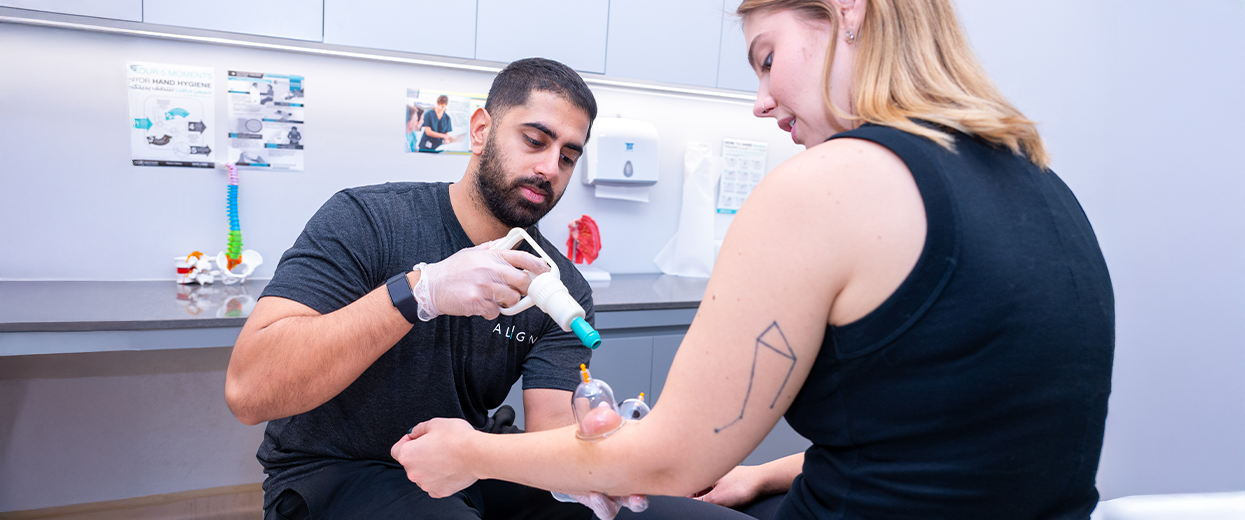
Cupping therapy is a treatment where cups are placed on the skin to create gentle suction. This suction helps increase blood flow, release tight tissue, and support the body’s natural healing process.

The reason frequency matters is simple. Cupping works by stimulating the body. That stimulation needs time to settle, repair, and respond. When sessions are spaced correctly, the body adapts and improves. When sessions are rushed, results may be limited or short-lived.

This is why experienced practitioners often say that the best cupping therapy plan is not about doing more sessions, but about doing them at the right time.


How Often Is Cupping Therapy Usually Recommended?

There is no single schedule that fits everyone. However, most professionals follow general guidelines based on goals, condition, and how the body responds.

For General Wellness and Stress Relief

If you are using cupping therapy for relaxation, stress reduction, or overall wellness, most people benefit from:

  • Once every 3 to 4 weeks

This spacing allows the body to reset and maintain balance. It is often enough to keep muscles relaxed and circulation active without overstimulation.

For Muscle Recovery and Physical Strain

For people dealing with muscle tightness, sports recovery, or physical jobs, cupping therapy is often used more frequently at first.

A common schedule includes:

  • Once a week for 3 to 4 weeks
  • Then reducing to once every 2 to 4 weeks for maintenance

This approach is often considered part of the best cupping therapy routines for athletes and active individuals, as it supports recovery while giving muscles time to heal between sessions.

For Chronic Pain or Long-Term Conditions

People with ongoing pain, stiffness, or mobility issues may need a more structured approach.

Typical recommendations include:

  • 1 to 2 sessions per week for the first few weeks
  • Followed by reassessment and spacing sessions further apart

These schedules are general guidelines and should be adjusted based on individual assessment and professional recommendation.

How Your Body Reacts After Cupping Therapy

Understanding how your body responds can help you decide the right frequency.

After cupping, you may experience:

  • Temporary soreness
  • Mild fatigue
  • Circular marks that fade over a few days

These are normal signs that the body is responding. Most people need at least 48 to 72 hours between sessions to allow tissues to recover. This recovery window is why daily cupping is usually not recommended.

Listening to your body is a big part of receiving the best cupping therapy results. If you feel drained or overly sore, spacing sessions further apart is often the smarter choice.

Factors That Affect How Often You Should Get Cupping Therapy

Several personal factors influence how frequently cupping therapy should be done.

1. Your Health Goal

Someone using cupping for relaxation will not need the same schedule as someone rehabbing an injury. Clear goals lead to better planning.

2. Your Age and Overall Health

Younger, active individuals may recover faster between sessions. Older adults or those with medical conditions may need more time between treatments.

3. Intensity of the Session

Light cupping sessions can often be done more frequently. Strong suction or longer sessions usually require more recovery time.

4. Lifestyle and Activity Level

High levels of physical activity may justify more frequent sessions, especially during intense training periods.

A qualified practitioner will adjust frequency based on these factors to deliver the best cupping therapy experience for your body.

Can You Get Cupping Therapy Too Often?

Yes. More is not always better.

Overdoing cupping therapy may lead to:

  • Increased soreness
  • Skin sensitivity
  • Fatigue
  • Reduced effectiveness over time

Cupping works best when the body has time to respond and rebuild. This is why spacing sessions correctly is a core principle of the best cupping therapy practices used by experienced professionals.

How Long Before You See Lasting Results?

Some people feel immediate relief after the first session. However, lasting results usually take time.

In most cases:

  • Short-term relief may appear after 1 to 2 sessions
  • Noticeable improvement often happens after 3 to 5 sessions
  • Long-term results usually develop over 4 to 8 weeks, depending on frequency and condition

Consistency, not intensity, is what leads to lasting change.

Cupping Therapy as Part of a Long-Term Plan

Cupping therapy works best when it is part of a broader wellness or recovery plan. This may include:

  • Stretching and movement
  • Hydration
  • Proper rest
  • Other therapeutic approaches

When cupping is used strategically, many people find it supports mobility, comfort, and performance over time. This balanced approach is often what defines the best cupping therapy programs in clinical and wellness settings.

When Should You Avoid or Delay Cupping Therapy?

There are times when cupping therapy should be postponed or avoided.

These include:

  • Open wounds or skin infections
  • Active inflammation or fever
  • Certain medical conditions without medical approval

If you are unsure, it is always better to ask a qualified healthcare professional before starting or continuing treatment.

Expert Tips for Getting the Best Results

To get the most from cupping therapy, keep these tips in mind:

  • Do not rush sessions too close together
  • Stay hydrated before and after treatment
  • Avoid intense exercise immediately after cupping
  • Track how your body feels between sessions
  • Follow professional advice rather than self-scheduling blindly

These simple steps help ensure you receive the best cupping therapy results without unnecessary discomfort.

Final Thoughts on Cupping Therapy Frequency

How often you should get cupping therapy depends on your goals, your body, and how you respond to treatment. While weekly sessions may help at the start, most people shift to less frequent visits as their condition improves.

The key is balance. Cupping therapy should support your body, not stress it. When done at the right intervals, it can be a valuable part of a long-term wellness or recovery plan.


Mobility Rehabilitation

Overcoming Vertigo and Dizziness with Balance and Mobility Rehabilitation

Feeling dizzy or off-balance can quietly take over your life. Many people describe vertigo as a spinning feeling, while others feel unsteady, lightheaded, or unsure on their feet. These symptoms may seem small at first, but over time, they can affect walking, working, driving, and even confidence. In the early stages of care, an expert physio in Abu Dhabi plays a key role in helping the body regain stability and reduce dizziness in a safe and structured way.

At ALIGN Health, balance-related care focuses on understanding why dizziness happens and how the body can relearn steady movement through guided therapy. This article explains vertigo and dizziness in simple terms and explores how mobility rehabilitation helps people move with confidence again.

What Is Vertigo and Why Does It Happen?

Vertigo is not a disease. It is a symptom. Most people experience vertigo as a sensation that they or their surroundings are moving when they are not. Dizziness, on the other hand, is a broader term that includes feeling faint, weak, or unsteady.

Research from leading medical institutions shows that vertigo is often linked to problems in the inner ear, nervous system, or musculoskeletal system. The inner ear helps control balance by sending signals to the brain about head position and movement. When these signals are unclear or incorrect, the brain struggles to keep the body steady.

Common causes of vertigo and dizziness include:

  • Inner ear disorders
  • Poor posture or neck stiffness
  • Muscle weakness
  • Nerve-related conditions
  • Recovery after illness or injury
  • Aging-related balance decline
  • Prolonged inactivity

Understanding the root cause is important because treatment depends on where the problem begins.

How the Body Maintains Balance

Balance depends on three systems working together:

  • The inner ear, which senses motion and direction
  • The eyes, which provide visual awareness
  • The muscles and joints, which give feedback about body position

When one of these systems is not working properly, the brain receives mixed messages. This can result in dizziness, loss of balance, or fear of movement. Over time, people may avoid walking, bending, or turning their head, which can make symptoms worse.

Mobility rehabilitation helps restore communication between these systems so the body can move safely again.

What Is Mobility Rehabilitation?

Mobility rehabilitation is a specialized form of therapy focused on improving how a person moves, balances, and reacts to changes in position. It is commonly used for people experiencing vertigo, dizziness, unsteady walking, or fear of falling.

Unlike general exercise programs, mobility rehabilitation follows a structured and progressive plan. Each movement is chosen to challenge balance safely and train the brain to respond better to motion.

At ALIGN Health, mobility rehabilitation programs are designed around the individual. Age, health history, symptom triggers, and daily activities are all considered when creating a treatment plan.

How Mobility Rehabilitation Helps with Vertigo

Mobility rehabilitation supports recovery in several important ways.

It retrains the brain

The brain can adapt to balance problems through repetition. Controlled movements teach the brain how to respond correctly to balance signals again.

It improves coordination

Simple walking and turning exercises help the body react more smoothly to changes in direction.

It strengthens muscles

Weak legs and core muscles increase instability. Strength training improves control and confidence during daily activities.

It reduces fear of movement

Fear of falling often causes people to move less. Reduced movement leads to stiffness and worsening balance. Mobility rehabilitation gradually rebuilds confidence.

It improves posture and alignment

Poor posture can affect balance signals from the neck and spine. Correcting posture helps reduce dizziness linked to neck strain.

Who Can Benefit from Mobility Rehabilitation?

Mobility rehabilitation is not only for older adults. Many people benefit from this approach, including those who:

  • Feel dizzy when standing or walking
  • Experience spinning sensations
  • Have had recent falls or near-falls
  • Feel unstable on uneven surfaces
  • Avoid movement due to fear of dizziness
  • Are recovering from illness, surgery, or injury
  • Have balance changes related to aging

Even mild dizziness can affect quality of life. Early care often leads to faster and more lasting improvement.

What Happens During a Mobility Rehabilitation Program?

Initial assessment

A thorough assessment is the first step. This may include:

  • Observing walking patterns
  • Checking balance in standing and sitting
  • Assessing head and eye movement response
  • Reviewing posture and joint movement
  • Identifying dizziness triggers

This assessment helps identify which balance systems need support.

Personalized treatment plan

Based on the assessment, a personalized plan is created. This may include:

  • Balance exercises
  • Walking and turning practice
  • Strength and stability training
  • Head and eye coordination exercises
  • Gentle mobility and posture work

Each exercise is introduced gradually and adjusted based on progress.

Exercises Commonly Used in Mobility Rehabilitation

Mobility rehabilitation exercises are simple but purposeful. They focus on safe movement rather than pushing limits.

Balance training may include standing with feet together, shifting weight from side to side, or controlled single-leg support.

Walking exercises focus on improving step control, direction changes, and safe speed adjustments.

Head and eye exercises train the body to tolerate movement without triggering dizziness.

Strength training supports the legs, hips, and core, which play a key role in balance.

All exercises are progressed slowly to avoid symptom flare-ups.

How Long Does Recovery Take?

Recovery time varies depending on the cause and severity of symptoms. Some people notice improvement within a few weeks, while others need longer-term care.

Consistency is key. Regular sessions and correct technique help the brain adapt more efficiently. Skipping sessions or stopping early may delay progress.

Mobility rehabilitation works best when guided by trained professionals who understand how balance systems respond to change.

Daily Improvements People Often Notice

With consistent mobility rehabilitation, many people experience:

  • Reduced dizziness episodes
  • Improved walking confidence
  • Fewer falls or near-falls
  • Better posture
  • Less fear during movement
  • Greater independence

These improvements often support emotional well-being as well.

Why Professional Guidance Matters

Balance exercises done incorrectly can worsen symptoms. Certain movements may increase dizziness if not introduced properly.

Professional guidance ensures:

  • Correct identification of balance issues
  • Safe progression of exercises
  • Reduced risk of injury
  • Better long-term results

This is why structured mobility rehabilitation is more effective than self-guided routines.

When to Seek Help for Dizziness

You should consider professional support if:

  • Dizziness lasts longer than a few days
  • Symptoms interfere with daily activities
  • You feel unsafe walking or standing
  • You have experienced falls
  • Dizziness is combined with neck pain or headaches

Early assessment often prevents symptoms from becoming long-term issues.

A Note on Safety and Medical Care

Vertigo and dizziness can have many underlying causes. While mobility rehabilitation is highly effective for many balance-related conditions, it is not a substitute for medical evaluation. This article is intended for educational purposes only and should not replace professional medical advice, diagnosis, or treatment. If dizziness appears suddenly, worsens, or is accompanied by neurological symptoms, immediate medical attention is essential.

Final Thoughts

Living with vertigo or dizziness can feel limiting, but recovery is possible. With the right approach, the body can relearn balance and movement through structured care.

Mobility rehabilitation focuses on restoring safe movement, confidence, and independence. Through consistent practice and professional guidance, many people regain control over their daily activities.

At ALIGN Health, the goal is to help individuals move forward with stability and confidence, supporting both physical recovery and overall well-being.


knee pain

Knee Pain Recovery at Home: Simple Exercises and Daily Habits for Relief

Knee pain can slowly take over your daily life. Walking becomes uncomfortable. Sitting down and standing up feels difficult. Even simple things like climbing stairs or getting out of bed can cause hesitation. Many people delay care because they think knee pain will go away on its own. While some discomfort does improve with rest, long-term knee pain recovery often needs the right mix of movement, habits, and professional guidance.
For those in the UAE, services like quality physiotherapy in Abu Dhabi can play an important role in guiding safe recovery, especially when pain keeps coming back.

This guide focuses on what you can do at home to support knee pain recovery. The goal is to keep things simple, safe, and easy to follow.

Understanding Why Knee Pain Happens

Knee pain does not always start with a big injury. In many cases, it builds up slowly over time.

Common causes include:

  • Weak muscles around the knee
  • Poor posture or walking habits
  • Sitting for long hours
  • Old injuries that never healed fully
  • Sudden increases in activity
  • Age-related joint wear

When muscles around the knee are weak or tight, the joint takes more stress than it should. This slows knee pain recovery and makes flare-ups more likely.

Why Movement Matters for Knee Pain Recovery

Rest is important, but too much rest can slow healing. Gentle movement helps:

  • Improve blood flow
  • Reduce stiffness
  • Strengthen muscles that protect the knee
  • Support joint lubrication

The key is controlled, low-impact movement. Pain should never be sharp or worsening during exercise.

Simple At-Home Exercises for Knee Pain Relief

These exercises are safe for most people and support gradual knee pain recovery. Perform them on a flat surface. Stop if pain increases.

1. Straight Leg Raises

  • Lie on your back with one knee bent and the other straight
  • Tighten the thigh muscle of the straight leg
  • Slowly lift the leg to the height of the bent knee
  • Hold for 3–5 seconds, then lower

This helps strengthen the thigh muscles that stabilize the knee.

2. Heel Slides

  • Lie on your back with legs straight
  • Slowly slide one heel toward your body
  • Bend only as far as comfortable
  • Slide it back to the starting position

This improves knee flexibility and reduces stiffness.

3. Seated Knee Extensions

  • Sit on a chair with feet flat
  • Slowly extend one leg until it is straight
  • Hold briefly, then lower

This builds muscle control without stressing the joint.

4. Standing Hamstring Stretch

  • Stand and place one heel on a low surface
  • Keep your back straight
  • Gently lean forward until you feel a stretch

Tight hamstrings can pull on the knee and delay knee pain recovery.

Daily Habits That Support Knee Pain Recovery

Exercises help, but daily habits matter just as much.

Watch How You Sit

  • Avoid sitting with knees bent for long periods
  • Stand up and move every 30–45 minutes
  • Keep both feet flat on the floor when seated

Improve Your Walking Pattern

  • Take shorter steps
  • Avoid locking your knees while standing
  • Wear supportive footwear

Poor walking habits place uneven pressure on the knee joint.

Use Ice or Heat Wisely

  • Ice helps after activity or swelling
  • Heat helps stiffness before movement

Use for 15–20 minutes, never directly on skin.

Maintain a Healthy Weight

Extra weight adds stress to the knees. Even small changes can improve knee pain recovery over time.

What to Avoid During Knee Pain Recovery

Some actions can slow healing or worsen pain.

Avoid:

  • Deep squats
  • Sudden twisting movements
  • High-impact workouts like jumping or running
  • Ignoring pain and pushing through discomfort

Pain is your body’s signal that something needs adjustment.

When Home Care Is Not Enough

At-home care works well for mild or early-stage knee issues. But some signs mean you should seek professional support.

Get help if:

  • Pain lasts more than two weeks
  • Swelling does not improve
  • The knee feels unstable
  • Pain affects sleep or daily activities

At ALIGN Health, knee rehabilitation plans are designed around the root cause of pain, not just symptoms. Their approach focuses on safe movement, muscle balance, and long-term knee pain recovery—not quick fixes.

ALIGN Health professionals often guide patients on how to continue progress at home, making daily habits and exercises more effective.

How Consistency Improves Knee Pain Recovery

The biggest mistake people make is doing exercises only when pain is severe. Consistency is what creates change.

Simple rules:

  • Do exercises 3–5 times a week
  • Start slow and increase gradually
  • Track what movements feel better or worse

Small steps, repeated often, lead to steady knee pain recovery.

Supporting Your Knees Long-Term

Even after pain improves, continue caring for your knees.

Long-term habits include:

  • Regular strengthening exercises
  • Staying active without overloading joints
  • Proper warm-up before activity
  • Listening to early signs of discomfort

Many patients supported by ALIGN Health notice fewer flare-ups once they understand how to protect their knees daily.

A Simple Path Toward Lasting Knee Relief

Knee pain can feel limiting, but recovery does not always require complex treatments. With the right exercises, smarter daily habits, and timely guidance, knee pain recovery is possible at home for many people.

Start gently. Stay consistent. Pay attention to how your body responds. And when pain does not improve, professional care can help guide you safely forward.

Knee pain conditions vary from person to person. Always consult a qualified healthcare professional before starting any exercise program or making decisions related to pain management or physical therapy.

Chiropractic Treatment

Everyday Habits That Hurt Your Spine and How Chiropractic Treatment Can Reverse the Damage

Most spinal problems do not start with a big injury. They build slowly through everyday habits that seem harmless at first. Long hours of sitting, poor posture, and small movement mistakes add stress to the spine day after day. Over time, this stress can turn into pain, stiffness, and limited mobility.

Many people assume this discomfort is normal or part of aging. In reality, it is often the result of repeated strain on the spine. Chiropractic care for spine health focuses on correcting these issues at the root, helping the spine move and function the way it should.

At ALIGN Health, chiropractic care is centered on understanding how daily habits affect spinal health and using targeted chiropractic treatment to restore balance and comfort.

Why Everyday Habits Affect the Spine So Much

Your spine supports your body, protects the spinal cord, and allows movement in every direction. While it is strong, it depends on proper alignment and movement to stay healthy.

When posture or movement patterns are poor, certain areas of the spine absorb more pressure than they are designed to handle. Muscles tighten to compensate, joints lose mobility, and nerves can become irritated. These changes often happen slowly, which is why many people ignore early warning signs.

Common Daily Habits That Harm Your Spine

Sitting for Long Periods

Sitting places more pressure on the lower back than standing. When done for long hours without breaks, it flattens the natural curve of the spine and weakens core muscles. This often leads to lower back pain and stiffness.

Poor Posture on Phones and Laptops

Looking down at screens pushes the head forward and strains the neck. Over time, this can cause neck pain, shoulder tightness, and headaches. Even a small forward tilt increases pressure on the cervical spine.

Sleeping in Unsupportive Positions

Sleep should help your spine recover, but poor pillows or mattresses can keep the spine in poor alignment for hours. Stomach sleeping and overly soft mattresses are common contributors to neck and back discomfort.

Carrying Bags on One Side

Carrying a bag or purse on the same shoulder every day causes muscle imbalance. This uneven load slowly affects spinal alignment and can lead to hip, shoulder, and lower back pain.

Lifting with Poor Technique

Bending at the waist instead of the hips increases pressure on spinal discs. Repeating this movement during daily tasks can lead to chronic lower back issues.

Ignoring Mild Pain

Early pain is often a warning sign. Masking it with painkillers without addressing the cause allows the problem to worsen over time.

How Chiropractic Treatment Helps Reverse the Damage

Chiropractic treatment focuses on restoring normal movement and alignment in the spine. When joints move properly, muscles relax, pressure on nerves decreases, and the body can heal more efficiently.

Restoring Proper Alignment

Daily strain can cause spinal joints to become restricted or misaligned. Chiropractic adjustments gently guide these joints back into proper position, helping reduce pain and improve posture.

Improving Mobility

Restricted joints limit movement and force surrounding muscles to overwork. Chiropractic care restores motion, making everyday activities feel easier and more comfortable.

Reducing Muscle Tension

Muscles often tighten to protect areas of spinal stress. By correcting joint dysfunction, chiropractic treatment allows muscles to relax naturally instead of staying tense.

Supporting Nervous System Function

The spine protects the spinal cord, which controls communication between the brain and body. When spinal movement is improved, nerve signals flow more freely, supporting overall function.

Treating the Root Cause

Rather than only addressing symptoms, chiropractic treatment focuses on why the problem started. This leads to longer-lasting results and fewer recurring issues.

At ALIGN Health, chiropractors also guide patients on posture and movement changes that help protect the spine beyond the treatment room.

Simple Daily Changes That Support Chiropractic Care

Chiropractic treatment works best when paired with small lifestyle adjustments:

  • Stand and stretch every 30–60 minutes
  • Keep screens at eye level
  • Use supportive pillows and mattresses
  • Alternate shoulders when carrying bags
  • Lift using your legs, not your back

These small changes reduce stress on the spine and support long-term results.

When to Consider Chiropractic Care

You do not need to wait for severe pain. Chiropractic care can help if you notice:

  • Frequent stiffness in the neck or back
  • Discomfort after sitting or working
  • Reduced range of motion
  • Recurring aches that do not fully resolve

Early care often prevents minor problems from becoming chronic.

Supporting Your Spine for the Long Run 

Everyday habits play a major role in spinal health. Over time, poor posture, prolonged sitting, and repetitive strain can lead to pain and reduced mobility. The good news is that much of this damage can be reversed.

With consistent chiropractic treatment, better awareness, and simple habit changes, the spine can regain balance, comfort, and proper movement. A proactive approach today can protect your spine for years to come.

Always consult a licensed healthcare professional or chiropractor before starting any new treatment or making changes to your healthcare routine, especially if you have existing medical conditions or persistent pain.

physio treatment

How Long Does a Muscle Injury Take to Heal with Physio Treatment?

Muscle injuries can happen to anyone. You might strain a muscle while exercising, lifting something heavy, playing sports, or even during everyday movements. The pain can stop you from working, exercising, or enjoying simple activities. That is why one of the first questions people ask is how long recovery will take.

If you are considering physio treatment, understanding the healing timeline can help set realistic expectations and reduce anxiety. With the right physio treatment plan, most muscle injuries heal faster and more completely than with rest alone. In the introduction, many people also look for trusted options like best physio care in Abu Dhabi to ensure they are guided by professionals from the start.

This guide explains muscle injury healing timelines in simple terms, how physio treatment supports recovery, and what factors affect how quickly you can return to normal life.

What Is a Muscle Injury?

A muscle injury occurs when muscle fibers are overstretched or torn. This can happen suddenly, such as during a sprint or fall, or gradually due to overuse and poor posture.

Common signs include:

  • Pain or soreness
  • Swelling or bruising
  • Tightness or stiffness
  • Reduced strength
  • Pain when moving the muscle

Physio treatment in Abu Dhabi focuses on reducing pain, restoring movement, rebuilding strength, and preventing future injuries.

Types of Muscle Injuries and Expected Healing Time

Muscle injuries are usually grouped into three grades. Each grade heals at a different pace, even with physio treatment.

Grade 1: Mild Muscle Strain

This involves small tears in the muscle fibers.

Symptoms

  • Mild pain
  • Slight stiffness
  • Minimal swelling
  • Little to no strength loss

Healing time with physio treatment

  • Around 1 to 2 weeks

Physio treatment helps reduce discomfort quickly and keeps the muscle active in a safe way. Early movement improves blood flow and speeds up healing.

Grade 2: Moderate Muscle Tear

This involves a partial tear of the muscle.

Symptoms

  • Moderate pain
  • Visible swelling or bruising
  • Reduced strength
  • Pain with movement

Healing time with physio treatment

  • Around 3 to 6 weeks

This stage benefits greatly from guided rehab. Without proper physio treatment, the muscle may heal incorrectly, leading to long-term weakness or repeat injuries.

Grade 3: Severe Muscle Tear

This is a complete muscle tear and is less common.

Symptoms

  • Severe pain
  • Significant swelling and bruising
  • Major loss of movement or strength

Healing time with physio treatment

  • 8 to 12 weeks or longer

Some cases require surgery before rehab begins. Physio treatment then focuses on safe healing, strength rebuilding, and restoring confidence in movement.

The Natural Healing Stages of a Muscle

Muscle healing happens in stages. Physio treatment adapts to each stage to support recovery.

1. Inflammatory Stage (First Few Days)

This is when pain and swelling are highest. The body sends healing cells to the injured area.

Physio treatment focus

  • Pain management
  • Gentle movement
  • Swelling control
  • Protecting the injured muscle

Complete rest is rarely recommended. Gentle, guided movement supports faster healing.

2. Repair Stage (1–3 Weeks)

The body begins repairing damaged muscle fibers.

Physio treatment focus

  • Light stretching
  • Gentle strengthening
  • Improving range of motion
  • Supporting circulation

This stage is critical. Doing too much too soon can delay healing, which is why professional guidance matters.

3. Remodeling Stage (Several Weeks)

The muscle becomes stronger and more organized.

Physio treatment focus

  • Progressive strengthening
  • Balance and coordination
  • Functional movement training
  • Injury prevention strategies

This stage ensures the muscle heals fully, not just enough to reduce pain.

How Physio Treatment Supports Faster Recovery

Physio treatment is not just about easing pain. It actively supports tissue healing and long-term movement health.

Key benefits include:

  • Faster pain reduction
  • Improved blood flow to injured tissue
  • Correct muscle activation
  • Reduced stiffness and scar tissue problems
  • Lower risk of reinjury

At ALIGN Health, physio treatment plans are personalized to match each patient’s injury, lifestyle, and movement needs. This tailored approach helps ensure safe and steady recovery.

Factors That Affect Healing Time

Even with physio treatment, recovery time can vary.

Severity of Injury

More severe muscle damage naturally takes longer to heal.

Early Intervention

Starting physio treatment early often shortens recovery time and prevents stiffness.

Age

Younger muscles may heal faster, but people of all ages can recover well with proper care.

Overall Health

Sleep, hydration, nutrition, and circulation all influence muscle healing.

Consistency

Following your exercise plan regularly has a major impact on recovery speed.

What to Expect During Physio Treatment

Initial Assessment

Your physiotherapist will assess:

  • Pain levels
  • Movement restrictions
  • Muscle strength
  • Daily activity limitations

This helps build a clear and realistic treatment plan.

Hands-On Therapy

This may include:

  • Soft tissue techniques
  • Gentle joint or muscle mobilization
  • Pain-relief methods

Exercise-Based Rehab

Exercises are introduced gradually to:

  • Restore flexibility
  • Rebuild strength
  • Improve coordination

Education and Prevention

You will learn how to:

  • Move safely
  • Avoid re-injury
  • Support healing at home

Education is a core part of long-term recovery.

Can a Muscle Injury Heal Without Physio Treatment?

Some mild strains may improve on their own. However, without physio treatment, recovery is often slower and incomplete.

Common risks include:

  • Lingering weakness
  • Poor movement habits
  • Recurrent pain
  • Higher chance of re-injury

Physio treatment ensures the muscle heals correctly and safely.

When Should You Start Physio Treatment?

The best time to begin is as soon as possible after injury, once serious damage is ruled out.

Early physio treatment helps:

  • Reduce inflammation
  • Maintain mobility
  • Prevent stiffness
  • Speed up recovery

Delaying treatment can turn a short-term issue into a long-term problem.

Realistic Healing Timelines with Physio Treatment

Here is a simple overview:

  • Mild strain: 1–2 weeks
  • Moderate tear: 3–6 weeks
  • Severe tear: 8–12+ weeks

These timelines can vary. Progress is monitored and adjusted throughout treatment.

Returning to Daily Life and Exercise

Pain reduction does not always mean full healing. A muscle must regain strength and control before returning to full activity.

Physio treatment ensures:

  • Muscles can handle load
  • Movement patterns are safe
  • Confidence is restored

This reduces the risk of future injury.

Why Professional Physio Treatment Matters

Muscle injuries affect how you move, work, and live. Proper rehab supports long-term health, not just short-term relief.

At ALIGN Health, physio treatment is focused on evidence-based care, clear guidance, and patient education. The goal is not just recovery, but long-term movement confidence and injury prevention.

What This Means for Your Recovery

Muscle injuries do heal, but how they heal matters just as much as how long they take. With the right physio treatment, recovery is not only faster but also safer and more complete. Instead of just waiting for pain to fade, structured rehab helps restore strength, movement, and confidence in your body.

By starting treatment early, staying consistent with exercises, and following professional guidance, most people can return to daily activities and exercise without fear of re-injury. The goal is not just to feel better, but to move better for the long term.

Always consult a qualified healthcare professional or physiotherapist for diagnosis and personalized treatment related to muscle injuries or any other medical condition.

pelvic care

Why Does Pelvic Care Matter?

Pelvic health is one of the most important and least talked about parts of overall wellbeing. Many people live with discomfort, weakness, or changes in bladder or bowel control without realizing that help is available. These issues are often brushed off as “normal,” especially after childbirth, with age, or during periods of physical stress. In reality, they are signs that the body needs attention.

Understanding pelvic care helps people take early action instead of waiting until symptoms interfere with daily life. Clinics like ALIGN Health focus on education, prevention, and recovery, offering evidence-based solutions such as pelvic rehabilitation in Abu Dhabi to support long-term comfort and confidence.

This guide explains pelvic care in clear, simple terms, why it matters, who it’s for, and how it can quietly but powerfully improve everyday life.

What Is Pelvic Care?

Pelvic care in Abu Dhabi focuses on the health and function of the pelvic floor. The pelvic floor is a group of muscles and connective tissues located at the base of the pelvis. These muscles support the bladder, bowel, and reproductive organs. They also play a key role in posture, movement, breathing, and core stability.

When pelvic muscles work well, you don’t think about them at all. You move freely, control bladder and bowel function, and feel comfortable in your body. When they don’t, daily tasks can become stressful or painful.

Pelvic care helps restore balance. It involves assessment, guided exercises, hands-on therapy, and education to help the pelvic floor work the way it should.

Why Pelvic Care Is So Important

Pelvic care matters because the pelvic floor is involved in many basic functions we rely on every day. When these muscles are weak, tight, or uncoordinated, the effects can spread across the body.

A healthy pelvic floor supports:

  • Bladder and bowel control
  • Core strength and posture
  • Pain-free movement
  • Sexual comfort and function
  • Recovery after pregnancy or surgery

Without proper pelvic care, people often adjust their lifestyle around symptoms. They may stop exercising, avoid social events, or feel anxious about travel and daily routines. Pelvic care addresses the cause of these issues, not just the symptoms.

Signs You May Need Pelvic Care

Pelvic issues are common, but they should never be ignored. Many people wait years before seeking help because they assume nothing can be done.

You may benefit from pelvic care if you experience:

  • Urine leakage when coughing, sneezing, or exercising
  • Frequent or urgent need to use the bathroom
  • Pelvic, hip, or lower back pain
  • Difficulty fully emptying the bladder or bowel
  • A feeling of heaviness or pressure in the pelvic area

These signs are your body’s way of asking for support. With the right pelvic care approach, many of these concerns can be significantly improved or resolved.

Pelvic Care Is for Everyone

Pelvic care is often associated with women and childbirth, but pelvic health affects all genders and all ages.

For Women

Pregnancy, childbirth, hormonal changes, and menopause place stress on the pelvic floor. Pelvic care supports recovery, comfort, and long-term strength.

For Men

Men can experience pelvic pain, bladder control issues, or weakness after surgery such as prostate procedures. Pelvic care helps restore function and confidence.

For Active Individuals

High-impact exercise, heavy lifting, and intense training can strain pelvic muscles. Pelvic care helps prevent injury and supports performance.

At ALIGN Health, pelvic care is personalized. Treatment is based on individual needs, not assumptions.

How Pelvic Care Supports the Whole Body

The pelvic floor is part of your core system, working closely with the diaphragm, deep abdominal muscles, and spine. If one part of this system is not functioning properly, the rest compensates.

This can lead to:

  • Chronic lower back pain
  • Hip and groin discomfort
  • Poor posture
  • Reduced stability and balance

Pelvic care improves coordination between these muscle groups. Many people notice better posture, easier movement, and less pain after addressing pelvic health.

Pelvic Care Through Different Life Stages

During Pregnancy and After Birth

Pregnancy places extra load on the pelvic floor. After childbirth, muscles may be stretched or weakened. Pelvic care helps rebuild strength safely and supports bladder control and recovery.

During Menopause

Hormonal changes can affect muscle tone and tissue health. Pelvic care supports comfort, bladder health, and daily function during this transition.

As We Age

Pelvic muscles naturally change with age. Pelvic care helps maintain independence, confidence, and quality of life.

After Surgery or Injury

Pelvic care supports recovery after pelvic or abdominal surgery by improving muscle coordination and reducing discomfort.

What Pelvic Care Sessions Are Like

Many people feel unsure about what pelvic care involves. In reality, it is professional, respectful, and focused on education.

Pelvic care may include:

  • A detailed assessment of movement and muscle function
  • Breathing and coordination exercises
  • Gentle hands-on techniques when appropriate
  • Clear guidance on home exercises
  • Lifestyle advice that fits daily routines

At ALIGN Health, patients are informed and supported at every step. Nothing is done without explanation or consent.

The Emotional Impact of Pelvic Health

Pelvic issues often affect more than just the body. They can influence confidence, relationships, and mental wellbeing.

People may feel:

  • Embarrassed to talk about symptoms
  • Anxious in social situations
  • Frustrated by ongoing discomfort
  • Isolated or misunderstood

Pelvic care helps restore trust in the body. As symptoms improve, many people report feeling more confident, relaxed, and in control of their daily lives.

Why Early Pelvic Care Matters

Waiting for pelvic symptoms to “go away on their own” often makes recovery harder. Early pelvic care can prevent issues from becoming long-term problems.

Benefits of early pelvic care include:

  • Faster improvement
  • Reduced risk of complications
  • Less need for invasive treatments
  • Better long-term outcomes

Pelvic care is not a last resort. It is proactive healthcare that supports long-term wellbeing.

Pelvic Care as Part of a Holistic Approach

Pelvic health is influenced by posture, breathing, movement habits, stress, and lifestyle. That’s why pelvic care works best when it’s part of a whole-body approach.

Clinics like ALIGN Health integrate pelvic care with broader physiotherapy and wellness strategies, ensuring that treatment supports the entire body.

Why Pelvic Care Truly Matters

Pelvic care matters because it protects dignity, comfort, and freedom of movement. It helps people live without constant worry about pain, leakage, or discomfort.

Whether you are navigating pregnancy, ageing, recovery, or an active lifestyle, pelvic care plays a vital role in overall health. Listening to your body and seeking support early can make a meaningful difference.

Pelvic care is not something to be embarrassed about. It is an essential part of taking care of yourself. 

Pelvic health conditions vary between individuals. Always consult a qualified healthcare professional for personalized assessment and care. If you experience ongoing pain, discomfort, or functional changes, seek medical attention promptly.

sports physio

Understanding Concussions: The First Step Toward Safe Sports Recovery

If you’ve ever watched someone take a hard hit during a game, you know the feeling that follows — the sudden worry, the silence from the crowd, and the hope that the athlete stands up quickly. But sometimes they don’t. And that moment of uncertainty is exactly why choosing the right sports rehabilitation and safety care approach matters. Many athletes ignore the early signs of a concussion because they want to stay in the game. But pushing through an injury you can’t see can make recovery much harder.

Concussions are one of the most misunderstood sports injuries. They don’t leave bruises. They don’t always cause someone to pass out. And many times, symptoms show up hours after the incident. For anyone involved in fitness, athletics, or wellness, understanding concussions is the first step toward safe and effective sports recovery.

Before we explore this topic deeper, here’s an important reminder: This blog is for education only and should not replace professional medical advice. If you suspect a concussion, always seek proper medical assessment.

What is a Concussion?

A concussion is a mild injury to the brain caused by a sudden jolt, impact, or fall. While majority of concussions resolve quickly, some individuals can experience symptoms that persist for weeks, months, or longer, a condition often referred to as post-concussion syndrome. What makes concussions tricky is that you can’t see them on the outside. An athlete may walk, talk, and look completely normal while still dealing with internal stress in the brain.

Concussions can happen in any sport — football, basketball, running, cycling, martial arts, and even during recreational activities. Because symptoms vary, it’s important not to ignore even the small signs. Recognising a concussion early can make sports recovery smoother and safer.

What are the 3 Stages of a Concussion?

There are three stages of concussion. Understanding these stages helps athletes, parents, and coaches know what to expect during healing.

Stage 1: Immediate Response (Impact Phase)

Right after the impact, the body reacts instantly. The athlete may feel dazed, confused, or dizzy. Some people experience a headache, blurred vision, or difficulty focusing. These signs are the brain’s way of saying it needs rest.

Stage 2: Symptom Progression (Acute Phase)

This stage takes place over the next few hours or days. The person may experience headache, nausea, sensitivity to light and sound, and cognitive difficulties. Symptoms may come and go, which is why monitoring is important.

Stage 3: Recovery and Return to Activity

During this stage, symptoms start to ease. The brain begins to settle, and energy levels improve. This is when gradual re-introduction to normal activities, including sports, begins. Rushing this step can delay healing, which is why safe sports recovery should always be guided and slow.

Concussion Signs and Symptoms

Every concussion looks different. Some people feel symptoms immediately, while others only notice them later in the day. Common signs include:

  • Headache or pressure in the head
  • Feeling dizzy or unsteady
  • Confusion or difficulty thinking clearly
  • Sensitivity to bright lights or loud sounds
  • Nausea
  • Fatigue
  • Irritability or emotional changes
  • Trouble remembering what happened

Some symptoms can be subtle, which is why athletes must listen to their bodies. A mild headache after a hit may seem small, but it can still signal that the brain needs rest.

How Long Does a Concussion Last?

There is no single answer because each person heals differently. For many people, symptoms improve within a few days. For others, it may take a couple of weeks. Some individuals develop longer-lasting symptoms, especially if they return to activity too soon.

Lifestyle, age, hydration, sleep, and stress levels all affect how quickly the brain recovers. The key is not to judge the severity by how someone looks on the outside. Concussions heal on internal time — not athletic schedules.

How Long Is Concussion Recovery?

Typical recovery ranges from 7 to 14 days for mild cases, but for some people, healing may take longer. Factors that affect recovery include:

  • The force of the impact
  • Whether the person has had previous concussions
  • Early rest and proper care
  • Avoiding screen time and stressful tasks in the early phase
  • Gradual return to sports activities

Safe sports recovery means not rushing back to training. Even when symptoms feel mild, the brain may still be in a fragile state. Going back too soon increases the risk of another concussion, which takes longer to heal.

This is where guided rehabilitation becomes important. Moving forward step by step gives the brain the chance to recover without stress.

How Can You Speed Up Concussion Recovery?

Healing a concussion is about balance. Specialists often recommend enough rest to protect the brain but enough gentle activity to avoid slowing recovery. Here are simple, safe ways to support the healing process:

1. Prioritise Rest in the First Few Days

Sleep and quiet time allow the brain to reset. Avoid loud spaces, bright screens, and heavy mental activity during the initial phase.

2. Stay Hydrated and Eat Well

Water, balanced meals, and regular snacks support overall recovery. Dehydration often worsens headache and fatigue.

3. Limit Screen Time Temporarily

Phones, tablets, and TVs can trigger symptoms like headaches or light sensitivity. Reducing screen time gives your brain space to heal.

4. Introduce Light Activity Slowly

Short walks or simple movements can help once symptoms start improving. The idea is to keep the body active without straining the brain.

5. Communicate With Coaches, Trainers, or Family

Support makes recovery easier. Let people around you know what symptoms you are experiencing so they can help you avoid overstimulation.

6. Avoid High-Risk Activities Until Fully Recovered

This includes avoiding sports, heavy workouts, or anything that increases the chance of falling or head impact.

7. Follow a Gradual Return-to-Sport Plan

Once symptoms improve, re-entering physical activity should always be gradual. Light stretching, brisk walking, and low-intensity exercises may come first before returning to full training.

Concussion recovery is not about being tough. It’s about being smart. Each step forward should be guided by how the brain feels, not by pressure to perform.

Why Understanding Concussions Helps Athletes Heal Better

When athletes, parents, and coaches understand how concussions work, they can respond with confidence instead of fear. Awareness leads to safer sports participation, fewer long-term problems, and better sports recovery outcomes.

Concussions don’t mean the end of sports. They simply mean the brain needs time, care, and gradual movement back into action. The more informed you are, the better choices you make when injuries happen.


physical rehab

10 Key Signs You Need Rehab Services in Abu Dhabi

Many people wait until their pain becomes unbearable before asking for help. They push through daily discomfort, hoping it will pass. They tell themselves it’s “just a strain” or “nothing serious.” But what starts as mild pain or a small movement issue can slowly grow into something that affects your work, sleep, mood, and overall quality of life. If you have reached a point where everyday tasks feel harder than they should, this is often a sign that your body is asking for support. Early care is always better than letting the problem grow.

This is where rehab services in Abu Dhabi come into the picture. They are designed to help people regain strength, improve function, and return to the lifestyle they love. Many individuals also turn to programs like therapy and rehabilitation in Abu Dhabi to get structured support that addresses the root of the issue, not just the symptoms.

Before understanding the signs that you may need rehab, it helps to know what active rehab really means and how it differs from regular physiotherapy.

What Are Active Rehab Services?

Active rehab services are guided programs created to help people recover from injuries, chronic pain, reduced mobility, or after a major life event such as surgery. They focus on strengthening the body, improving movement, and building long-term resilience. Unlike passive treatments—where you simply receive a treatment—active rehab involves your participation. You work alongside a trained professional who guides you through personalized exercises and recovery plans.

The goal is simple: help you move better, feel stronger, and get back to your daily activities without discomfort.

Active rehab is suitable for people of different ages and lifestyles. Whether you are an office worker with back stiffness, an athlete recovering from a sports injury, or someone dealing with long-term pain, structured rehab can make a big difference.

Active Rehab vs. Physiotherapy: What’s the Difference?

Physiotherapy and active rehab share similar goals, but they are not the same. Physiotherapy often begins with pain control and restoring basic movement. It can include treatments like manual therapy or guided stretches. Once the pain reduces and mobility improves, active rehab steps in to build long-term strength and prevent the issue from returning.

The main difference is that active rehab is more hands-on for the patient. It requires engagement, consistency, and effort. Instead of only receiving treatments, you actively participate in rebuilding your strength. Think of physiotherapy as Phase 1 and active rehab as Phase 2 of your recovery journey.

Together, these approaches create a complete recovery pathway.

10 Signs for Active Rehab in Abu Dhabi

If you are unsure whether you need structured support, here are the most common signs that rehab services can help.

1. Your Pain Keeps Returning

If you fix your pain temporarily but it always comes back, this could be a sign that something deeper is going on. Recurring pain often points to weak muscles, poor movement patterns, or an old injury that never fully healed. Active rehab helps address the root cause so the pain does not keep repeating itself.

2. You Struggle With Daily Movements

If simple tasks like climbing stairs, carrying grocery bags, or bending to pick something up feel harder than they used to, your body may need guided support. Rehab helps restore confidence in your movements by improving strength and mobility.

3. You Recently Had Surgery

After surgery, your body needs more than rest. Rehab plays an important role in helping you regain function, strength, and normal movement. Without proper rehab, recovery can slow down and limit your long-term progress.

4. You Experienced a Major Injury

If you’ve had an accident, sports injury, or sudden strain, active rehab helps you recover safely. It teaches your body how to move without overloading the injured area, reducing the risk of further issues.

5. You Have Limited Flexibility or Stiff Muscles

Stiffness is often overlooked, but it can lead to bigger problems. If your muscles or joints feel tight every morning or after sitting for long periods, rehab can help you regain flexibility and ease your movements.

6. Your Balance Feels Weak

Balance issues are more common than many people realize. Losing balance or feeling unsteady while walking is a key sign that your muscles and coordination need strengthening. Rehab includes targeted exercises to improve stability and reduce fall risks.

7. You Are Recovering From a Long Illness

Certain illnesses can weaken the body, making movement and daily tasks challenging. Rehab can help rebuild strength, improve breathing, and restore energy levels after long periods of inactivity.

8. You Feel Weak or Fatigued Easily

If normal activities drain your energy or leave you tired, your body may need structured strengthening. Rehab helps improve endurance and supports your overall physical capacity.

9. You Experience Joint Pain From Sitting or Standing Too Long

Joint pain caused by poor posture, long working hours, or repetitive movements can worsen over time. Active rehab teaches you how to move better so your joints do not feel overloaded.

10. You Want to Prevent Future Injuries

Rehab isn’t only for people in pain. Many people use it as a preventive step. If you want to stay active, move confidently, and reduce injury risks, rehab can guide you toward healthier habits and stronger movement patterns.

Why Choosing the Right Rehab Services in Abu Dhabi Matters?

Choosing the right rehab services in Abu Dhabi matters because your recovery depends on getting care that truly fits your needs. Abu Dhabi has many advanced wellness and recovery centers, but each one offers a different approach. The right choice can speed up healing, improve your mobility, and prevent problems from coming back.

When you select a trusted rehab provider, you benefit from:

  • A personalized recovery plan
  • Guidance from trained experts
  • Safe and progressive exercises
  • Long-term benefits instead of short-term relief

Look for a center that listens to your concerns, evaluates your movement, and creates a plan that suits your goals, whether it is pain relief, strength, mobility, or injury prevention.

Final Thoughts

Rehab is not just about recovering from injury—it’s about giving your body the care it needs to function at its best. Whether you are dealing with pain, recovering from surgery, or simply want to move better, rehab services in Abu Dhabi can help you build lasting strength and confidence.

Listening to your body is the first step. If you notice any of the signs mentioned above, guided rehab may be exactly what you need to feel better, move better, and live better.

This blog is for general awareness and does not replace professional medical advice. If you are experiencing severe pain, sudden injury, or health-related symptoms, please consult a qualified healthcare professional before beginning any program.


post travel recovery

Top Post-Travel Recovery Tips: How Physiotherapy for Recovery Can Help You Bounce Back Faster

Long flights, long car rides, jet lag, uncomfortable seats, and dragging heavy bags through airports — travel can be exciting, but it often leaves your body feeling anything but refreshed. Many people notice stiffness the next morning, tight shoulders, lower-back pressure, swollen legs, or a general sense of fatigue that makes it hard to return to daily life. 

If you’ve ever returned from a trip feeling worse than before you left, you’re not alone. This is where physiotherapy for post-travel recovery can make a noticeable difference.

Why Travel Takes a Toll on Your Body

Travel forces your body into positions it isn’t used to. You sit for long hours in tight spaces, sleep in unfamiliar beds, change time zones, and follow inconsistent routines. Even short trips can tighten your muscles and drain your energy.

Here are a few reasons why you might feel drained after travelling:

  1. Prolonged sitting
    Long hours in a plane or car reduce circulation, making your muscles stiff and your joints less mobile.
  2. Poor sleep and jet lag
    Sleeping upright or in a new environment affects your body’s ability to rest and recharge.
  3. Carrying luggage
    Lifting heavy bags can strain your shoulders, back, and wrists.
  4. Dehydration
    Travel often leads to reduced water intake, which affects muscle recovery and energy levels.

All these factors together explain why post-travel recovery is more important than most people realise.

What Is Physiotherapy for Recovery?

Physiotherapy for recovery focuses on helping your body heal from strain, stiffness, swelling, and fatigue. After travel, your muscles may feel tight, your joints may feel heavy, and your posture may be slightly off. Physiotherapy steps in to reduce these issues through gentle movement-based treatments, guided stretches, circulation-boosting techniques, and simple exercises.

It’s not just for injuries. Even healthy people who travel frequently benefit from improved mobility, better posture, and faster recovery.

Top Post-Travel Recovery Tips to Help You Feel Better Faster

When returning from a long trip, your goal should be to reset your body, restore your energy, and ease any new discomforts. Here are practical and easy-to-follow tips:

1. Start With Gentle Movement

Your body needs movement after sitting for hours. Begin with:

  • A slow walk
  • Light stretches
  • Easy shoulder and neck mobility movements

This helps increase circulation, reduce stiffness, and ease the pressure on tight areas.

  1. Hydrate More Than Usual

Travelling — especially flying — dehydrates the body. Once you’re home:

  • Drink plenty of water
  • Add electrolytes if needed
  • Avoid too much caffeine

Proper hydration supports your muscles and reduces post-travel fatigue.

3. Prioritise Good Sleep for 1–2 Nights

Even if you didn’t cross time zones, travel disrupts sleep patterns. Allow your body to recover with:

  • A full night’s rest
  • A consistent sleep schedule
  • A dark, relaxing environment

This helps restore energy and reduces overall tension in the body.

4. Stretch the Pain Points

Travel commonly affects the neck, shoulders, lower back, and hips. Gentle stretching can help relieve these areas. Focus on:

  • Neck side stretches
  • Shoulder rolls
  • Chest-opening stretches
  • Hamstring stretches
  • Hip mobility movements

Stretching improves blood flow and releases tension caused by immobility.

5. Apply Heat to Stiff Areas

A warm shower or heating pad can relax tight muscles and improve mobility. It’s a simple and effective way to soothe the areas that worked the hardest during your trip.

6. Avoid Intense Workouts Immediately

Your body needs time to adjust after travel. Jumping straight into heavy workouts can lead to injury or slow recovery. Instead, ease back in with:

  • Light cardio
  • Gentle yoga
  • Mobility exercises

Save the intense sessions for when your energy is back to normal.

7. Book a Session of Physiotherapy for Recovery

A post-travel physiotherapy session helps your body bounce back with targeted treatments that release tension, improve posture, and restore mobility. Physiotherapists often address issues such as:

  • Tight neck and shoulder muscles
  • Lower back discomfort
  • Hip stiffness
  • Swollen legs due to poor circulation
  • General body fatigue

A tailored session helps you feel lighter, more mobile, and more energised within a short period. It’s especially helpful for frequent travellers or people who return from long-haul flights.

How Physiotherapy for Recovery Helps After Travel

You now know the tips you can do at home, but physiotherapy adds an extra layer of support. Here’s how it helps:

1. Restores Natural Body Alignment

Hours of poor posture during travel can shift your body slightly out of alignment. Physiotherapy gently resets how you sit, stand, and move so everything functions smoothly.

2. Boosts Circulation and Reduces Swelling

Leg swelling is common after flights. Physiotherapy helps:

  • Improve blood flow
  • Reduce heavy legs
  • Ease discomfort
  • Prevent further swelling

This is especially useful if you struggle with circulation issues.

3. Loosens Tight Muscles

Your shoulders, back, hips, and neck carry most of the strain during travel. Physiotherapy carefully releases tension and improves flexibility.

4. Speeds Up Recovery

The combination of light movement, guided stretches, and personalised care speeds up the healing process. It helps your body feel normal again, often within a short time.

5. Reduces the Risk of Post-Travel Injuries

When your body is stiff and tired, you are more likely to strain a muscle during daily tasks or exercise. Physiotherapy prepares your body to move comfortably again, lowering injury risk.

When Should You Consider Seeing a Physiotherapist After Travel?

While mild stiffness is common, you should consider professional help if you notice:

  • Persistent back or neck pain
  • Trouble moving certain joints
  • Swelling that doesn’t go down
  • Pain when walking
  • Fatigue that doesn’t improve
  • A heavy or tight sensation in the hips or legs

Early support helps prevent everyday discomforts from turning into bigger concerns.

Final Thoughts

Travel should leave you with good memories, not aches and pains. With simple steps such as movement, hydration, stretching, and proper rest, you can reset your body after a trip. But if your discomfort lasts longer than expected, physiotherapy for recovery can help you bounce back faster and feel more balanced.

Remember: if you experience severe or persistent symptoms, always consult a qualified healthcare provider. This blog is for general guidance only and is not a substitute for professional medical advice.


cupping therapy

How Does Cupping Therapy for Joint Pain Work?

If you’ve ever dealt with joint pain, you already know how much it can impact your day. Morning stiffness makes it hard to get out of bed. Sometimes, even climbing stairs feels heavier than it should. When pain stays longer than expected, most people begin searching for relief beyond regular stretches and pain creams. That’s when many turn their attention to alternative therapies, one of the most popular being cupping therapy for joint pain in Abu Dhabi wellness centres today.

In this blog, we’ll break down what cupping therapy is, how it supports joint relief, and why more people trust this traditional technique for modern-day aches.

Before we begin, here is a quick note: This blog is for educational purposes only. It should not replace professional medical advice, diagnosis, or treatment. Always speak to a qualified healthcare provider before trying new therapies, especially for chronic or severe joint pain.

What Is Cupping Therapy?

Cupping therapy is a traditional healing practice that has been used for hundreds of years in different cultures. While styles may vary, the idea is simple: special cups are placed on the skin to create gentle suction. This suction helps lift the skin slightly away from the muscles beneath it.

People often describe the sensation as light pressure or a pulling feeling rather than pain. While cupping is widely used for muscle relaxation, many people also rely on it to ease joint discomfort, improve stiffness, and support overall mobility.

How Does Cupping Therapy Support Joint Pain Relief?

Joint pain can come from many causes like daily strain, overuse, mild inflammation, long work hours, or even old injuries that never fully healed. Cupping therapy does not claim to cure these issues, but it can support your body in ways that may reduce discomfort and improve the way your joints feel.

Here’s how cupping helps:

1. It Encourages Better Blood Flow Around the Joint

Many people experience joint discomfort when the areas around the joint feel tense or overworked. This tightness can make movement feel heavier and less comfortable. Suction from the cups brings fresh circulation to the area. With better blood flow, the body naturally delivers more oxygen and nutrients to tired tissues. This may help loosen stiffness and make movement feel easier.

2. It Helps Relax Tight Muscles Near the Joint

Joint pain is not always about the joint alone. Often, the muscles around it become tense because your body tries to “protect” the painful area. This tension adds more strain. Cupping gently releases those tight muscles, giving the joint more room to move freely.

3. It Can Reduce the Feeling of Pressure and Heaviness

Many people say joint pain makes the affected area feel heavy or swollen. Cupping’s lifting motion helps reduce this stuck or congested feeling, which can lead to a sense of lightness after the session.

4. It May Improve Joint Mobility Over Time

When stiffness decreases and surrounding muscles relax, people usually notice they can bend, stretch, or turn a bit more comfortably. This doesn’t happen overnight, but regular cupping sessions may support better flexibility as part of a balanced recovery plan.

What Happens During a Cupping Therapy Session?

A typical cupping session is simple and calm. Here’s what you can expect:

  1. You may be asked to sit or lie down, depending on where the joint pain is located.
  2. The therapist places cups on specific areas near the painful joint.
  3. Suction is created either through gentle heat or a small pump, depending on the style of cupping.
  4. The cups stay in place for a few minutes while you relax.
  5. Once removed, you may see round marks that fade naturally over several days.

Most people describe the experience as relaxing, warm, and slightly pressure-based—not painful.

Why Many People in Abu Dhabi Choose Cupping for Joint Pain

Abu Dhabi has become a hub of wellness and recovery practices, blending modern health services with traditional techniques. People often choose cupping therapy because:

  • It’s non-invasive
  • It feels relieving almost immediately
  • It works well alongside physiotherapy
  • It is gentle enough for regular use
  • It supports natural healing processes

Many wellness centres offering cupping therapy Abu Dhabi residents trust focus on a personalised approach, adjusting cup placements based on where your pain is strongest.

Types of Joint Pain That May Benefit from Cupping

While results vary from person to person, cupping is commonly used for:

  • Knee stiffness
  • Elbow discomfort
  • Shoulder tension
  • Wrist strain
  • Hip tightness
  • Neck and upper-back tension affecting joint movement

It’s suitable for people with an active lifestyle, desk workers, athletes, and anyone dealing with everyday wear and tear.

How Long Before You Notice Relief?

Some people feel lighter or less stiff immediately after the session. Others may need a few sessions to observe noticeable changes. This depends on:

  • How long you’ve had joint pain
  • Your daily lifestyle
  • Whether you combine cupping with exercise or stretching
  • The frequency of sessions

Remember, cupping is a supportive therapy. It works best when combined with healthy movement and proper posture habits.

Pairing Cupping with Other Recovery Techniques

Cupping is often used as part of a wider recovery approach. Many people combine it with:

  • Stretching
  • Light mobility exercises
  • Massage
  • Physiotherapy
  • Strength-building routines

If you’re working with a professional, they can guide you toward a plan that supports your joint goals safely.

Looking for Safe and Professional Cupping?

If you’re exploring cupping therapy for joint pain in Abu Dhabi, look for a centre that values safety, trained practitioners, and personalised care. A good session should feel calming, supportive, and tailored to your needs. Wellness centres such as ALIGN Health often include cupping as part of a structured recovery approach, helping residents manage pain, improve movement, and feel more comfortable in their daily lives. Their team emphasises safe, supervised, and well-guided techniques so clients receive the best support for joint relief.